The Roar of Spring Rain
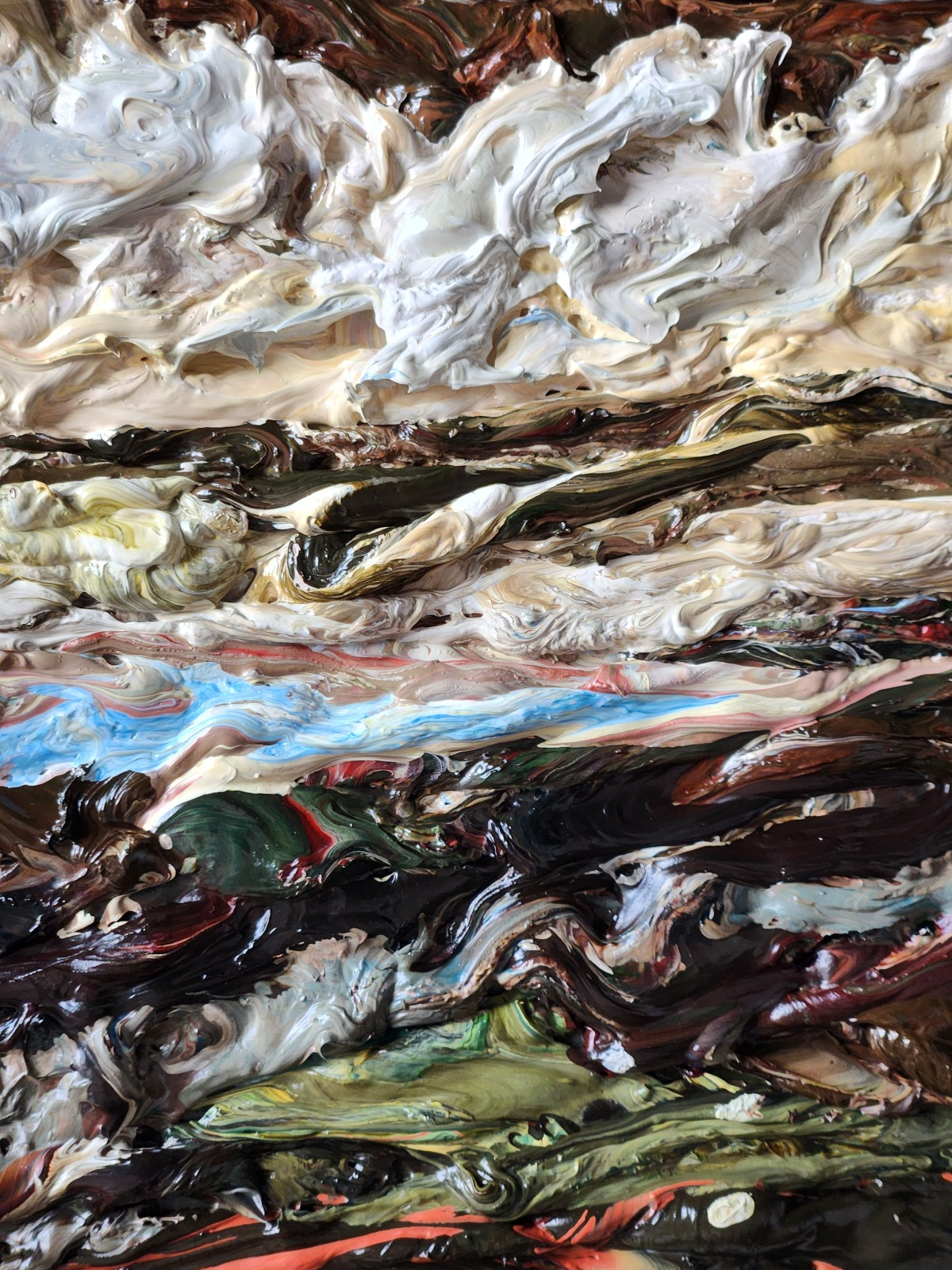
Notes, Ramblings, and Ideas for The Roar of Spring Rain
After days of heavy spring rain, the Saco River surged through the Biddeford rapids with a force that felt almost architectural. The water was loud enough to fill the space between the mills, and I couldn’t stop watching it. I knew immediately I wanted to paint that feeling, not just the scene.
This is the process story behind The Roar of Spring Rain: gathering reference at the flooded rapids, starting en plein air to capture the water’s energy, and then spending months in the studio experimenting with form, texture, and light until the painting finally held both chaos and calm at once.
Inception: Gathering Reference Materials
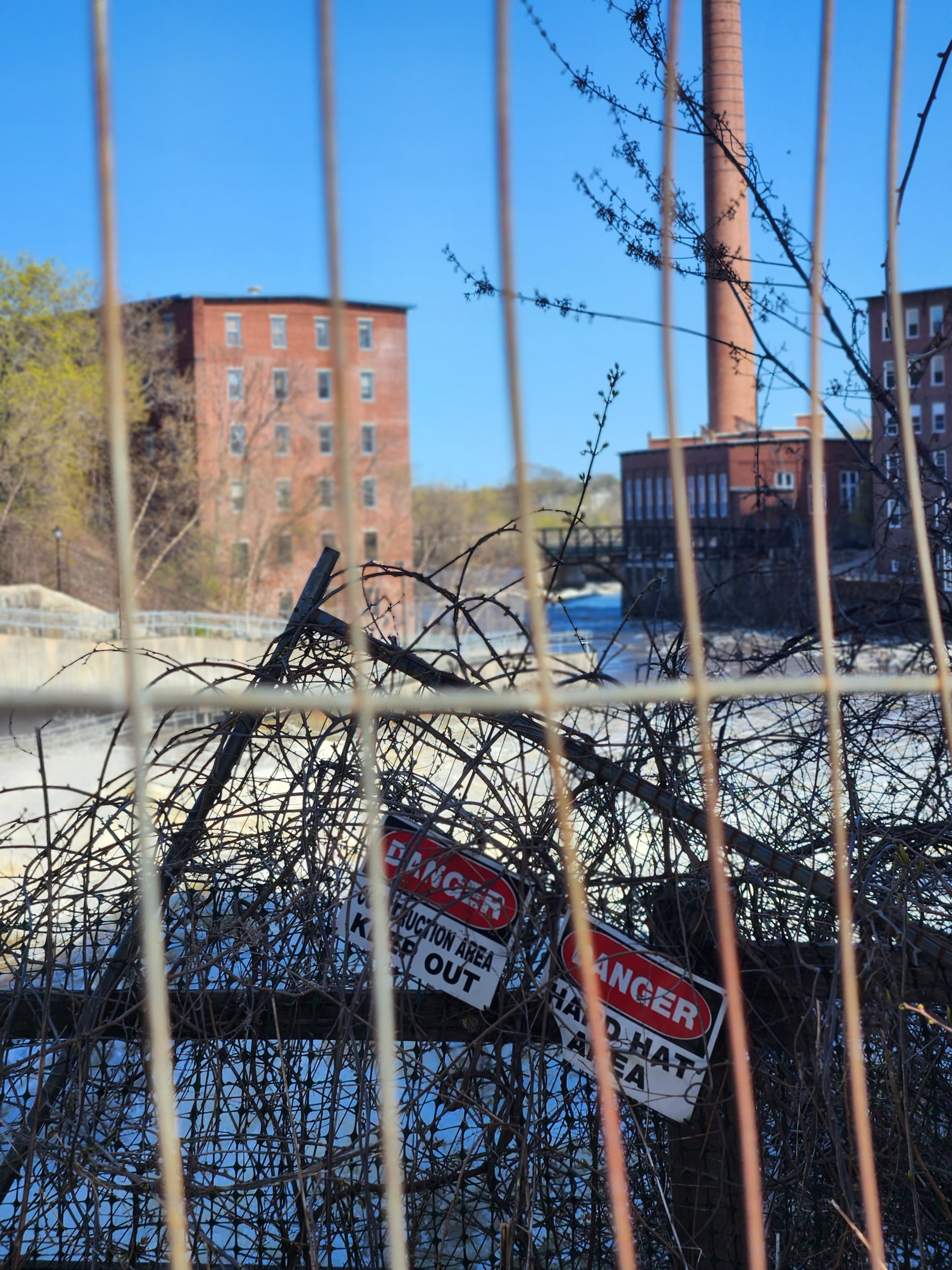
May 2, 2023 The Rain Stopped
Spring rain can be gentle and light, or it can pour for days. On this particular May, heavy rains and winds of 20–70 mph knocked out power for many homes and businesses, flooding roads and causing rivers to surge.
The day after, I took a walk down to the river to watch the water. I never realized how expansive and maze-like the Saco and Biddeford mills actually were. Built and developed since the 1600s, they strangely reminded me of my travels in Europe, where you're walking around city streets until suddenly you're looking at a gorgeous complex of buildings and foundations built by the Romans. As we've repurposed these buildings from water-powered sawmills and iron forges into apartments, hotels, and small businesses, these amazing places have taken on a new life.
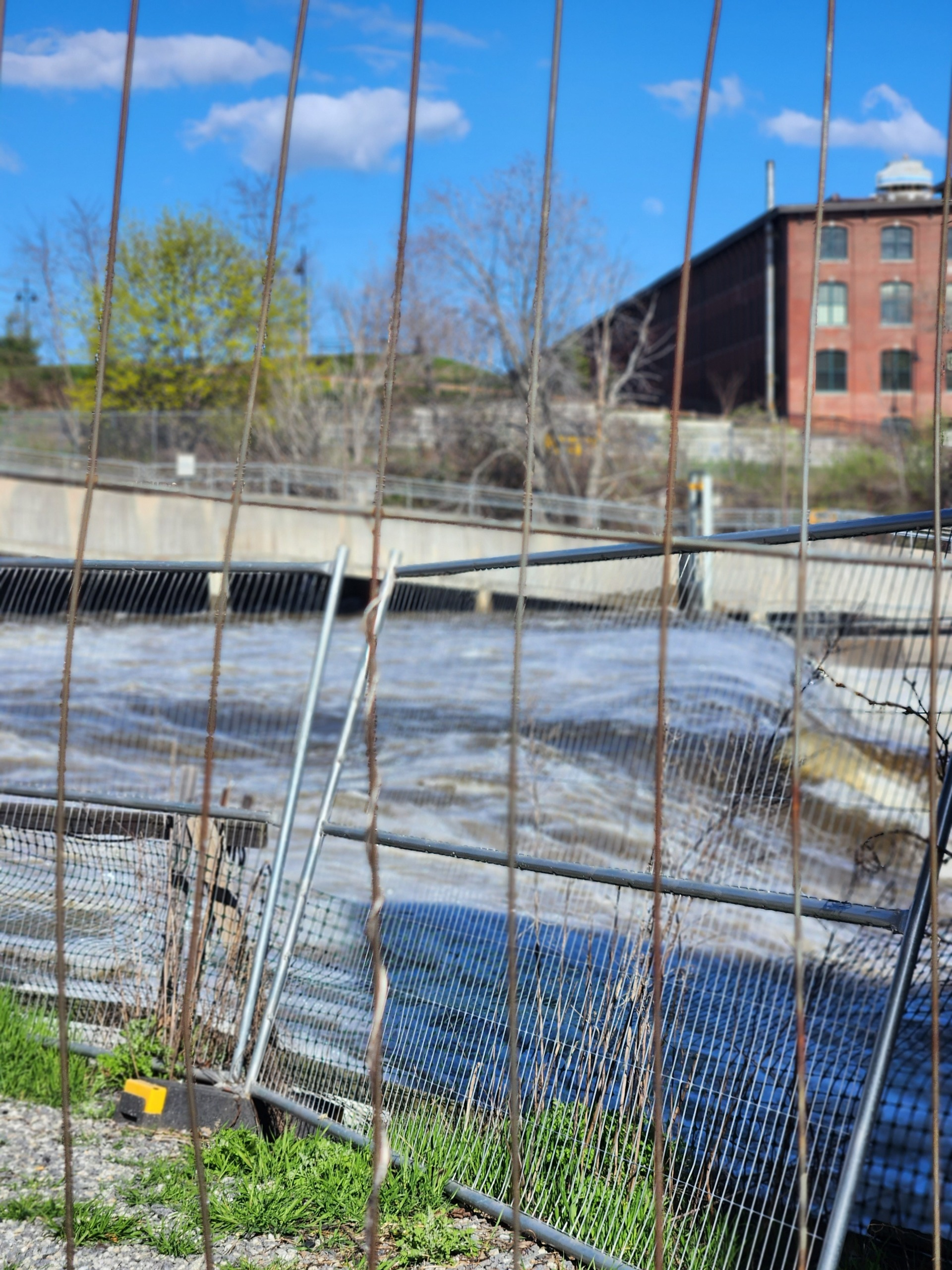
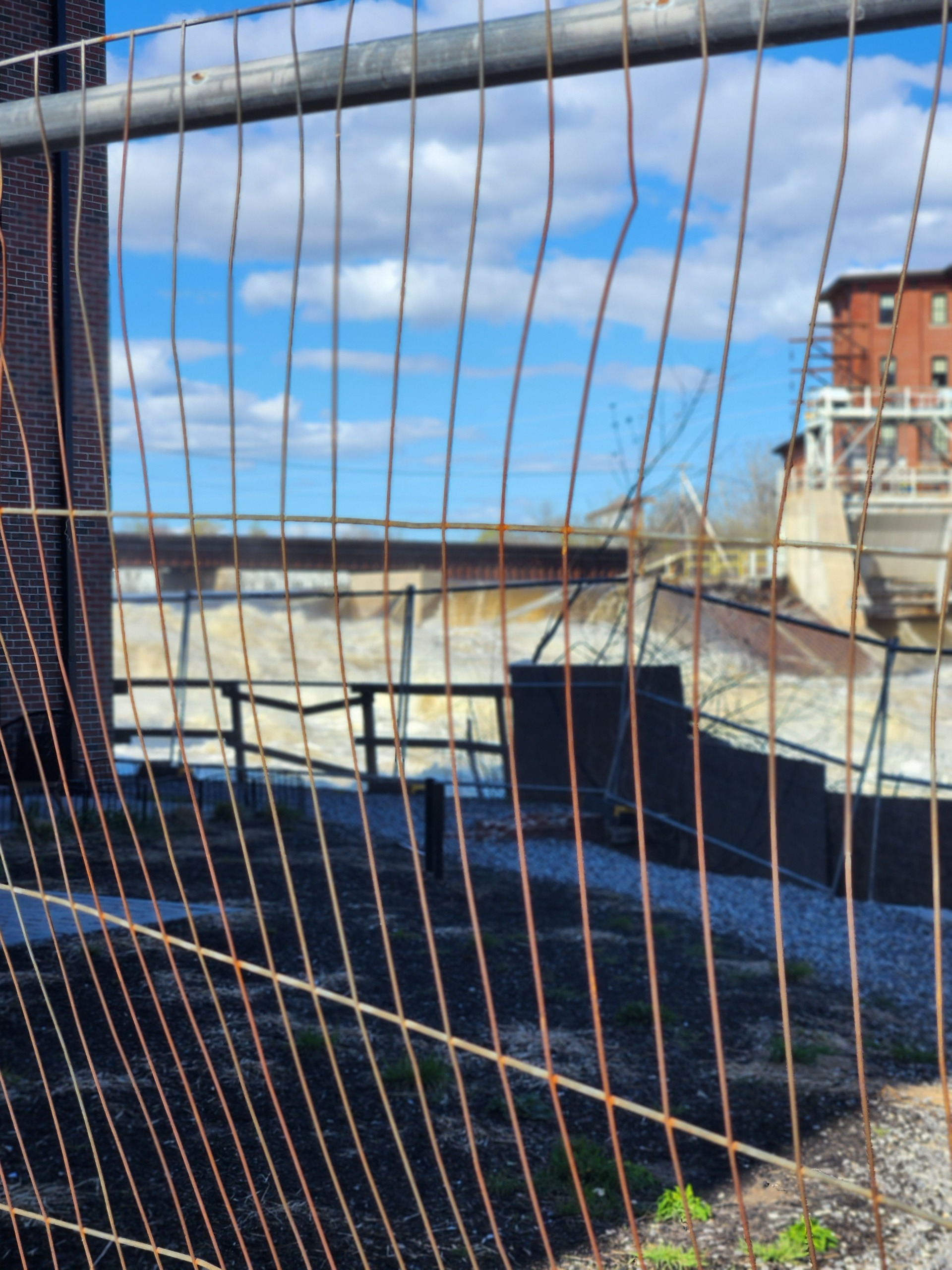
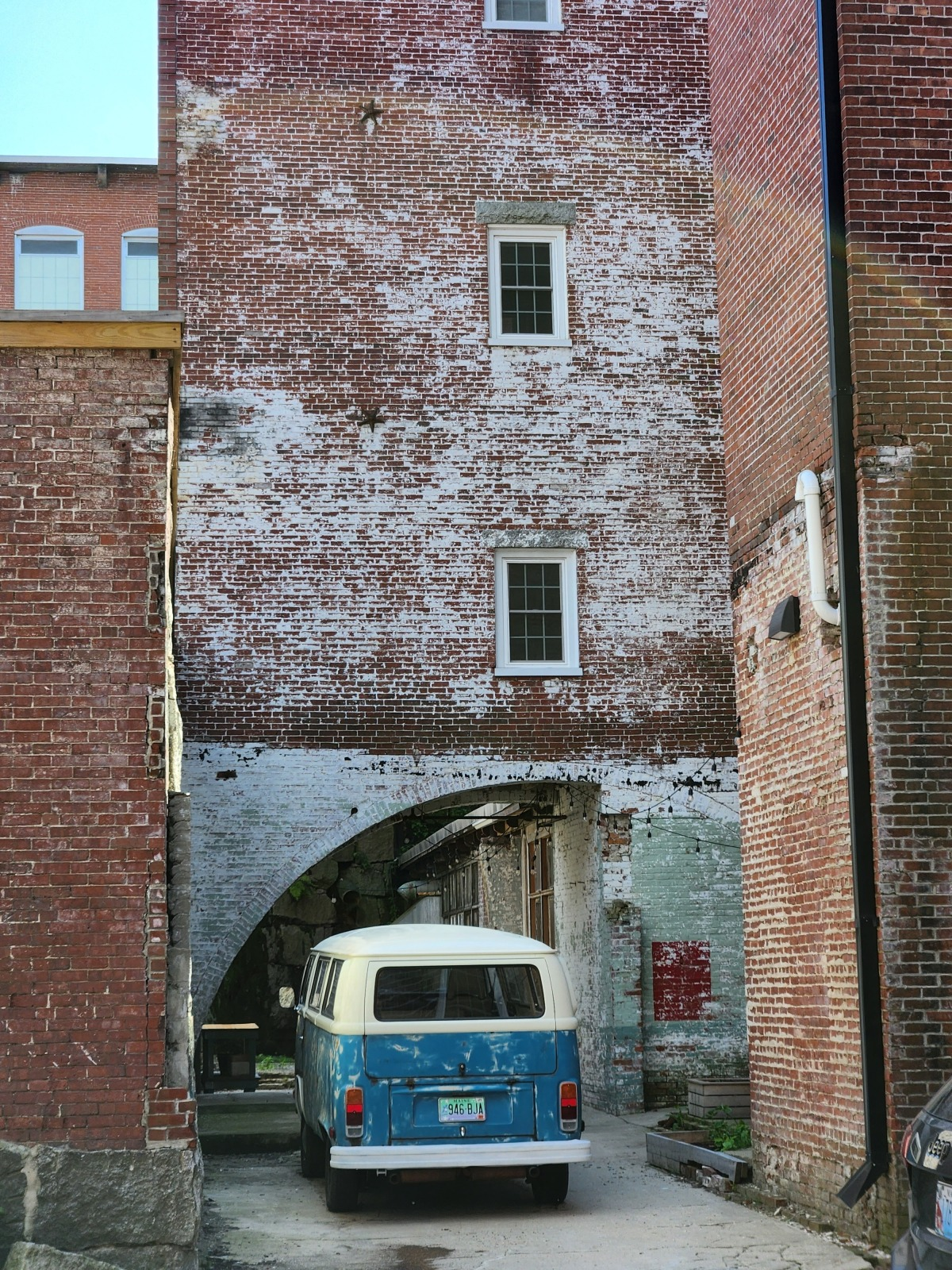
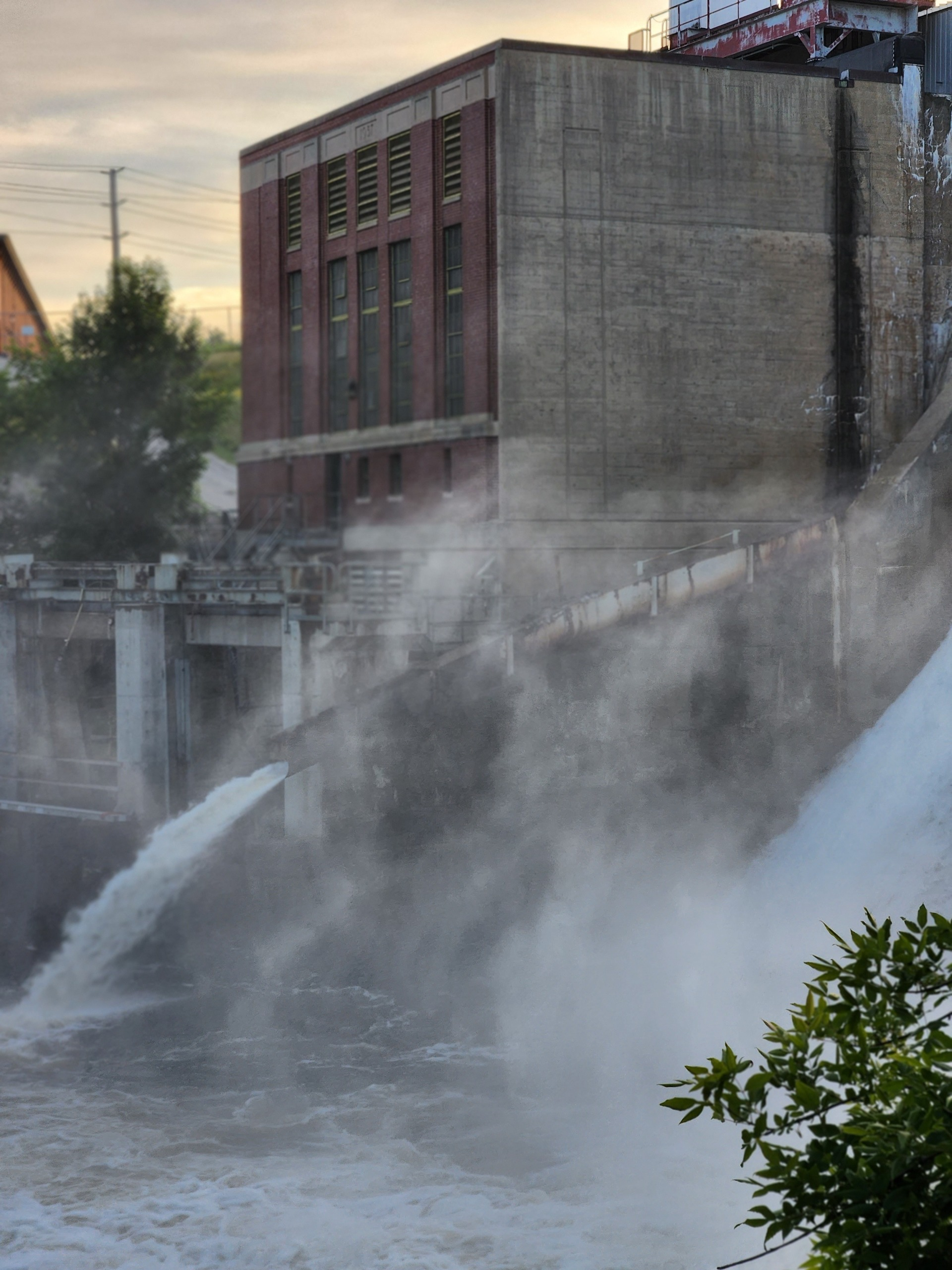
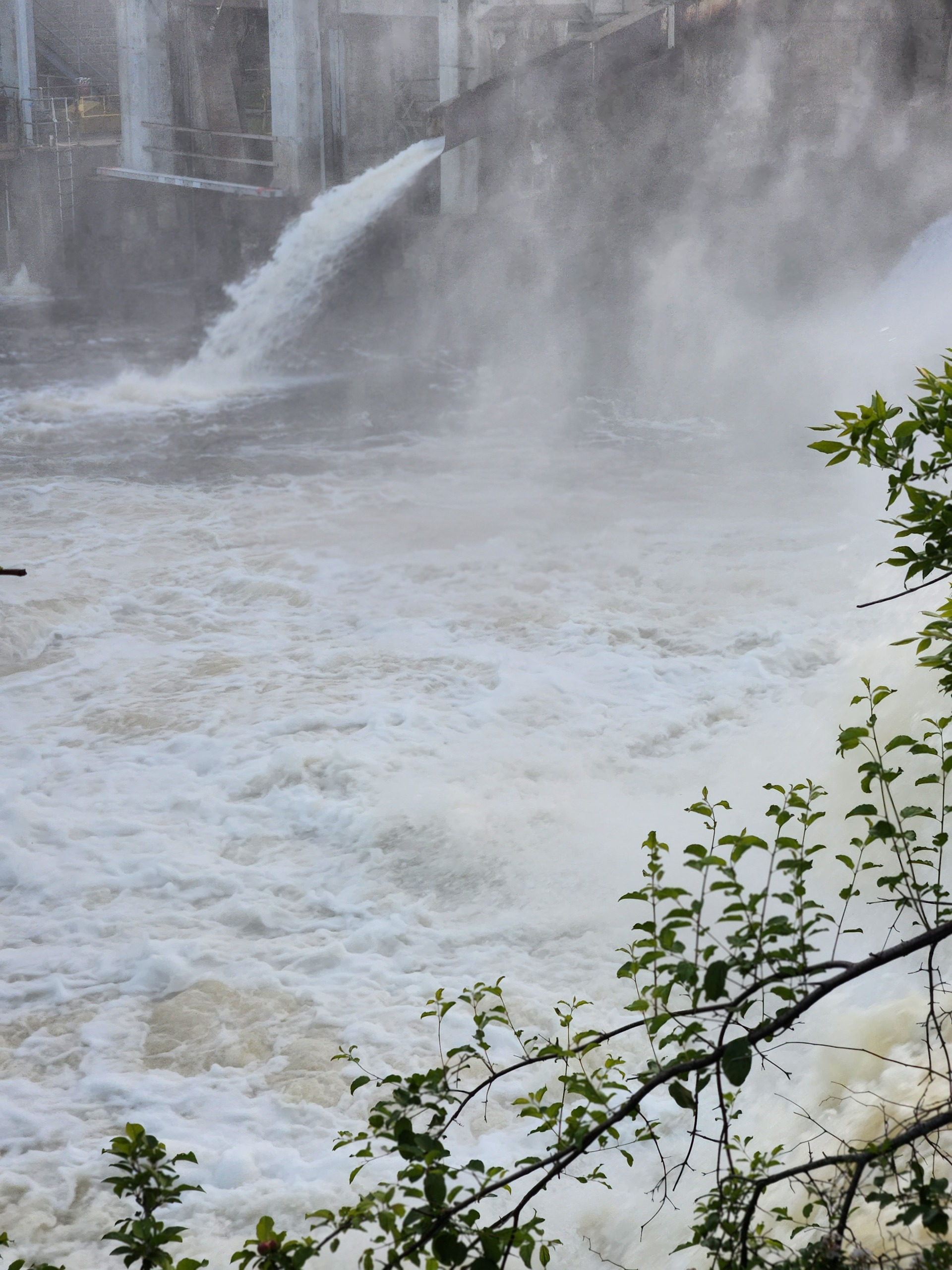
When we finally came upon the water, it was furious. Flowing green and yellow river water crashed through, turning white in an instant as it sloshed about the rocks, stones, and equipment from an era long since past. The looming brick buildings transformed the river beneath their shadows into hues of purple and blue. There was a beauty in the hard rectangular lines of the buildings cutting over the river, as if I were looking through a blue bottle.
Beyond the color, I was mesmerized by the water, so loud and booming as it rushed through and echoed between buildings along the seemingly narrow passes. The acoustics of the place and the sheer force of the water made me feel like I was in a grand concert hall, focused on the conductor watching their every movement. My attention was locked in, and I lost myself just watching.
The composition for a painting of this place at this moment wasn't obvious. No picture could really capture the sense of what I was looking for. Sometimes a collection of photographs can work well as reference material, as reviewing them before working—along with notes or journal entries from the time, or even listening to music that was playing—can transport you back to that moment. Other times, like in this particular moment, I needed to be here. Although the blue and green water that transformed into white mists would make beautiful forms amongst the brick buildings, greenery, and broken fences, it wasn't what I was looking for. The reason I was captivated by this place was because of how mesmerizing it was to be here. Understanding the circumstances, the weather, the history—all of it contributes as narrative elements to the piece. But that's not why I'm here. I'm here because I lost myself in the aggression and force. To capture that, I needed to sit here, come back, and try to figure it out with my material onsite.
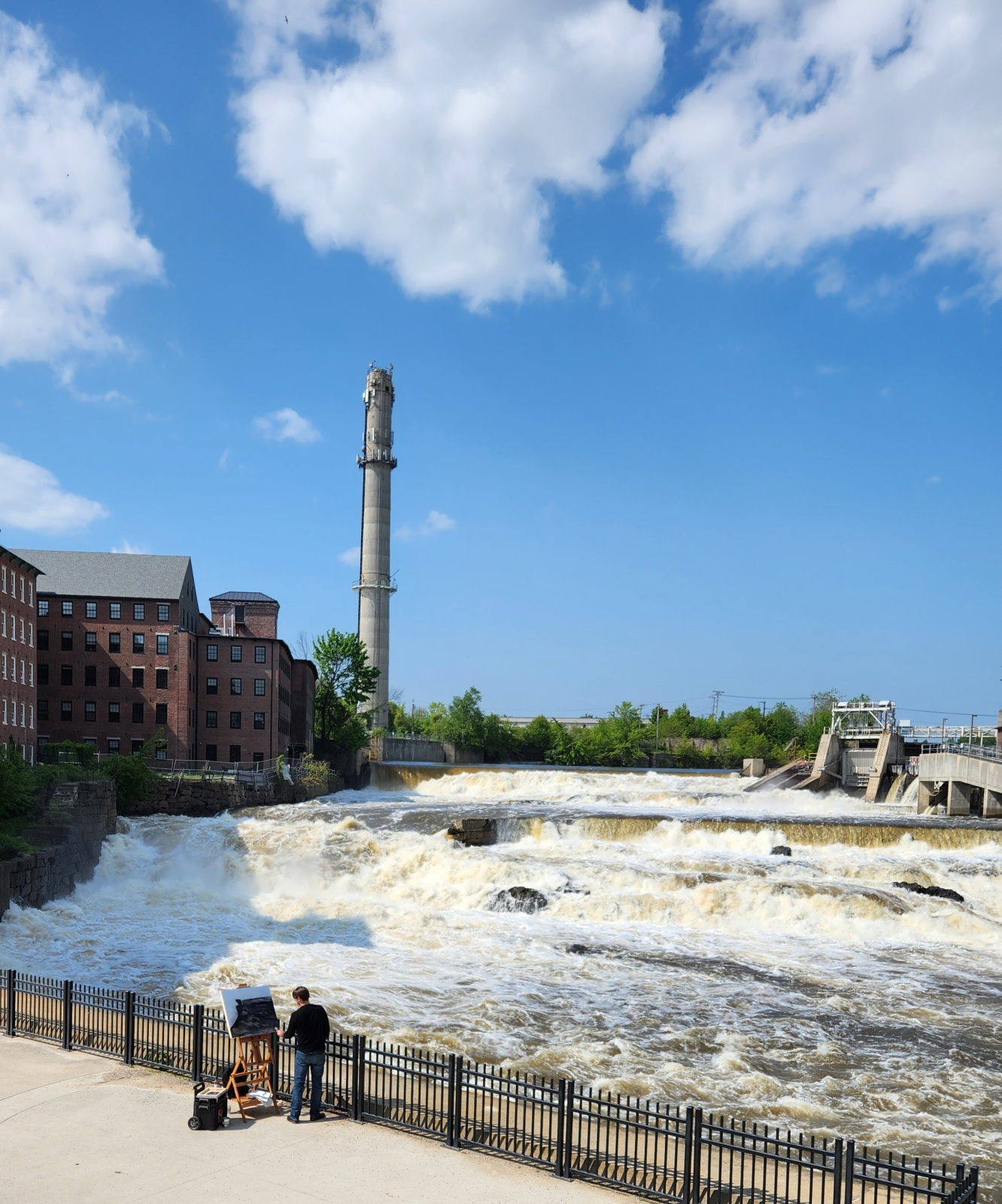
May 21, 2023 Initial Sketch en Plein Air
After waiting a few weeks for another storm just like it, I have my panel primed and ready, along with my easel and everything else I need. There's a logistical consideration when painting outside—especially the way I paint. My goal today is to bring my panel outside and take my time figuring out my composition. I want to recreate something very specific. We will make it happen today.
May 24, 2023
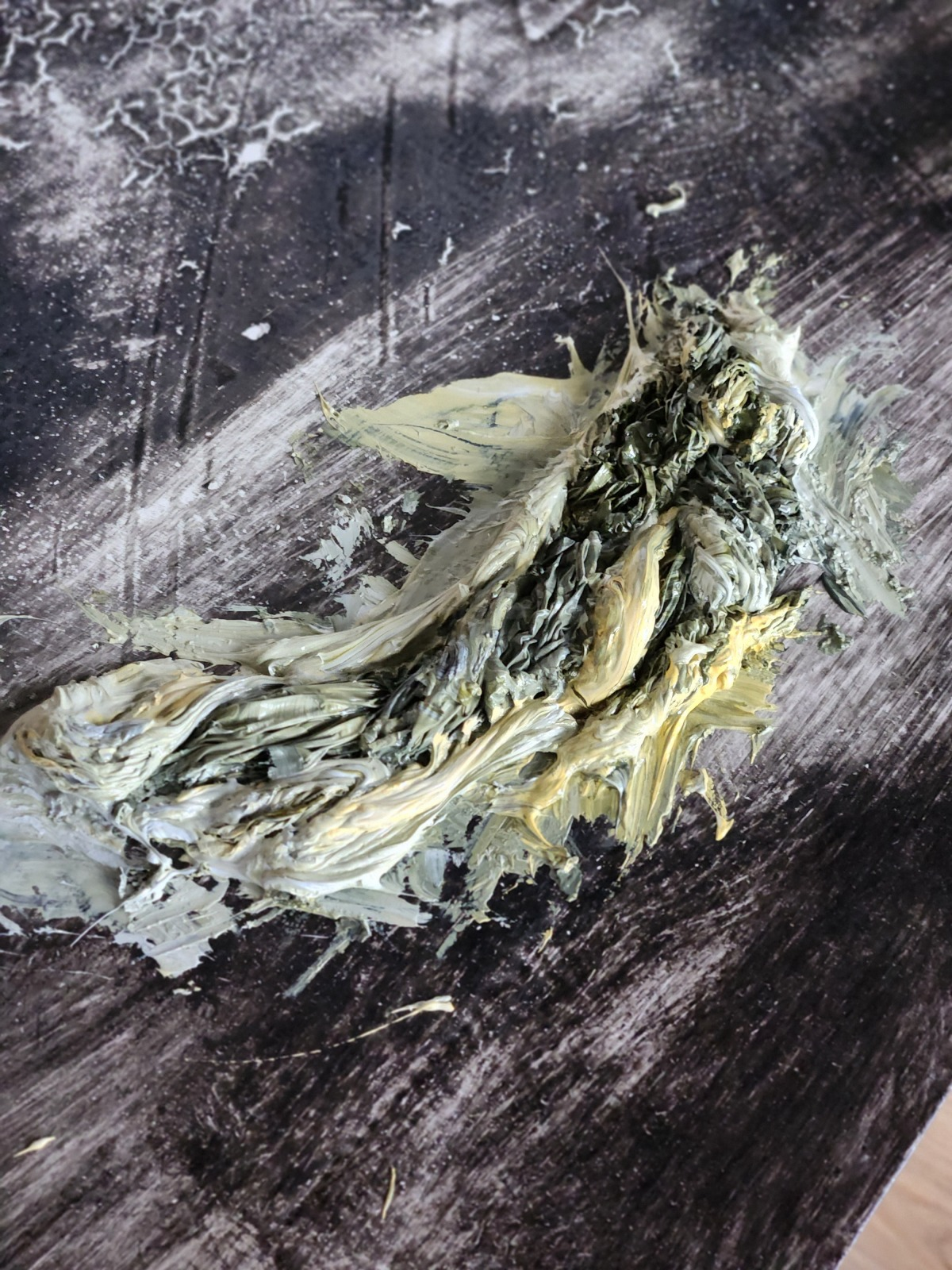
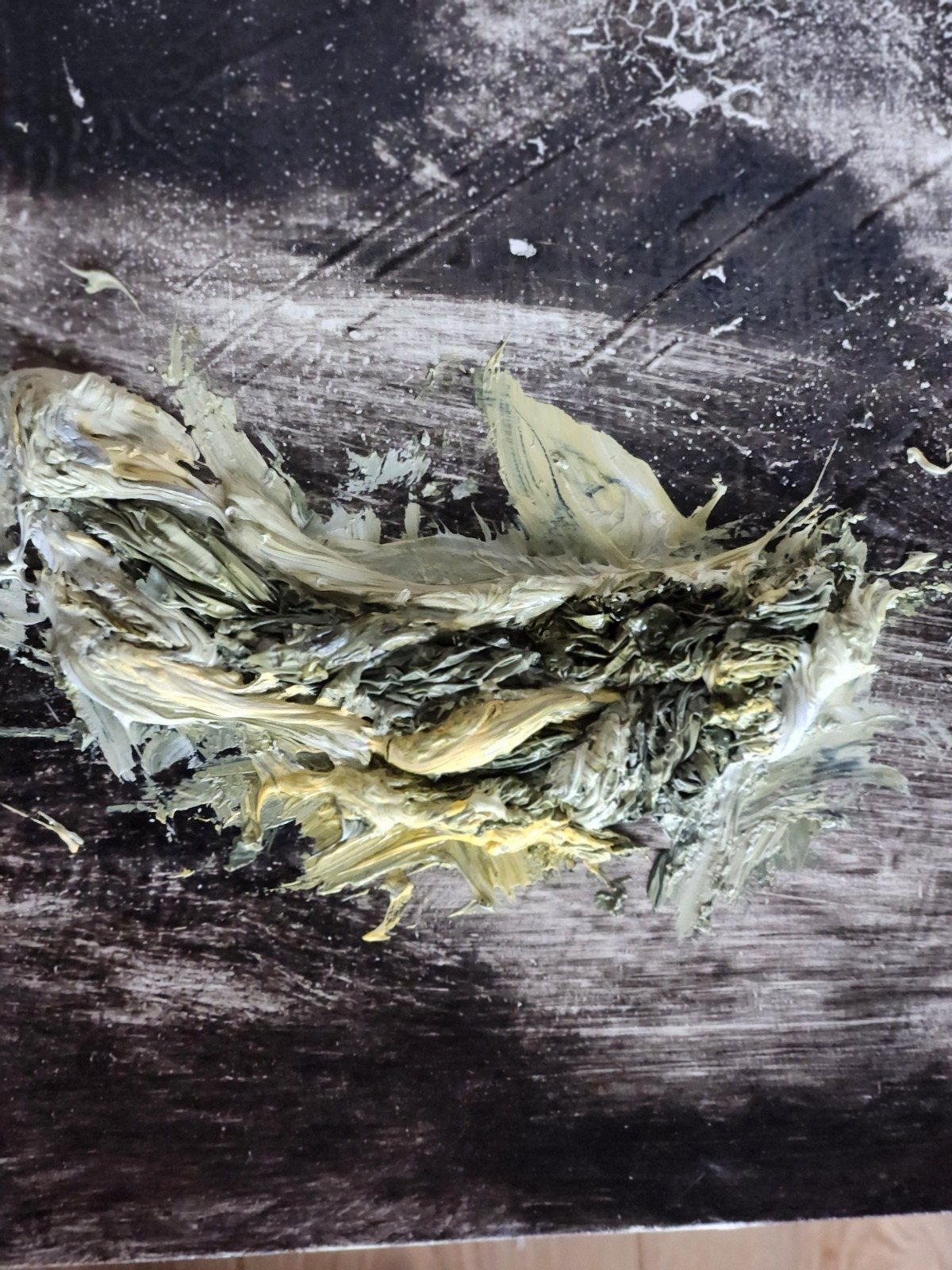
Back in the studio, the goal changed. The river was still the subject, but now I needed a language for it. I wasn’t trying to copy the rapids. I was trying to rebuild their energy in forms I could actually control. I'm seeking specific elements within the overall composition.
The energy I aim to capture will emerge from layering forms. I envision these forms as dancers—some positioned in the background, others closer to the foreground. My goal is to create forms with a sense of permanence, yet flexible enough to be altered, shifted, or obscured as the work progresses. While there's no predetermined "correct" placement for these forms, their presence will guide the painting's evolution. This is the moment to embrace the poetic as uninhibited.
July 2, 2023
Over the next few weeks, the painting stopped cooperating. The early momentum was real, but the composition still felt like a collection of attempts instead of a single statement. I kept making panels, testing attitudes, and throwing most of it away.
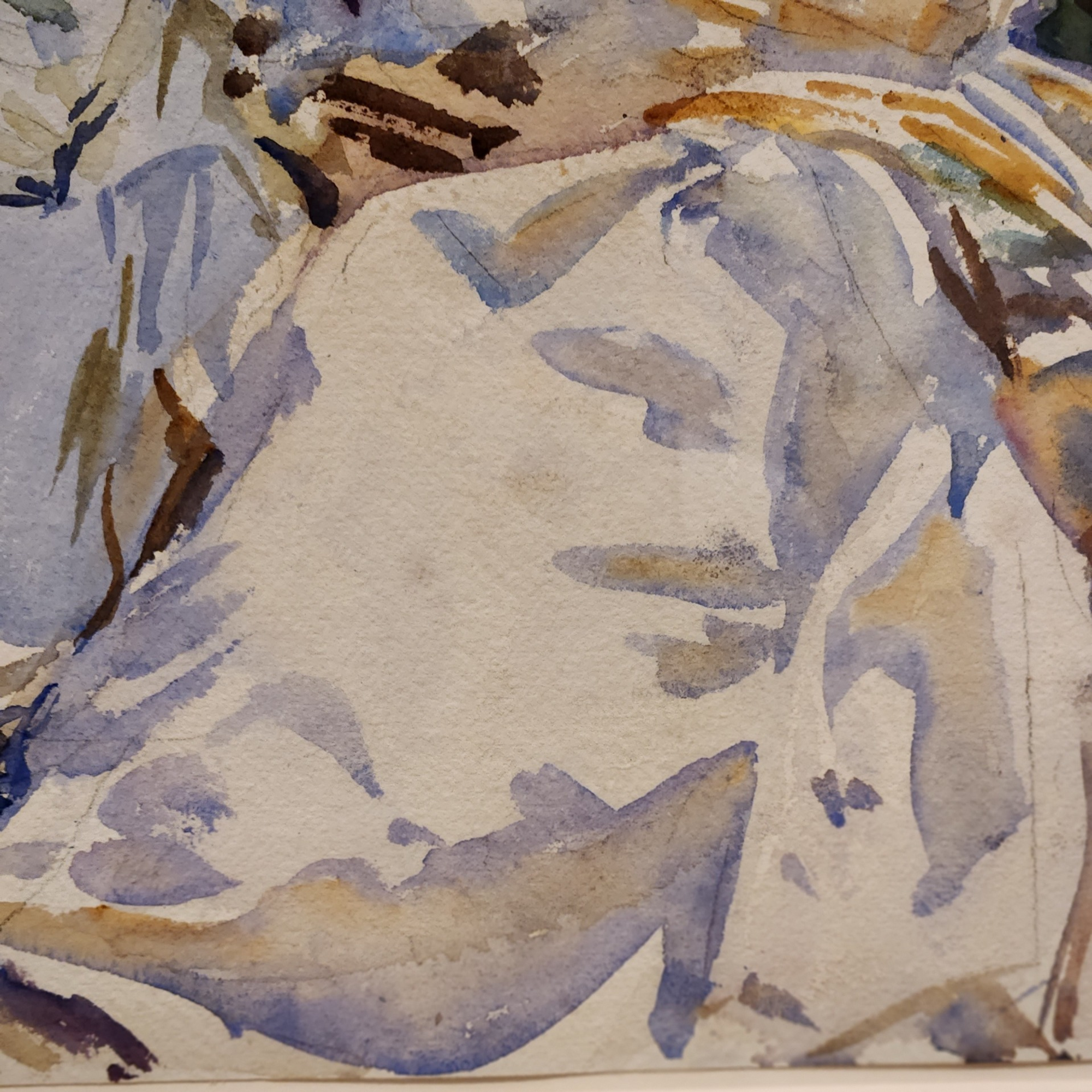
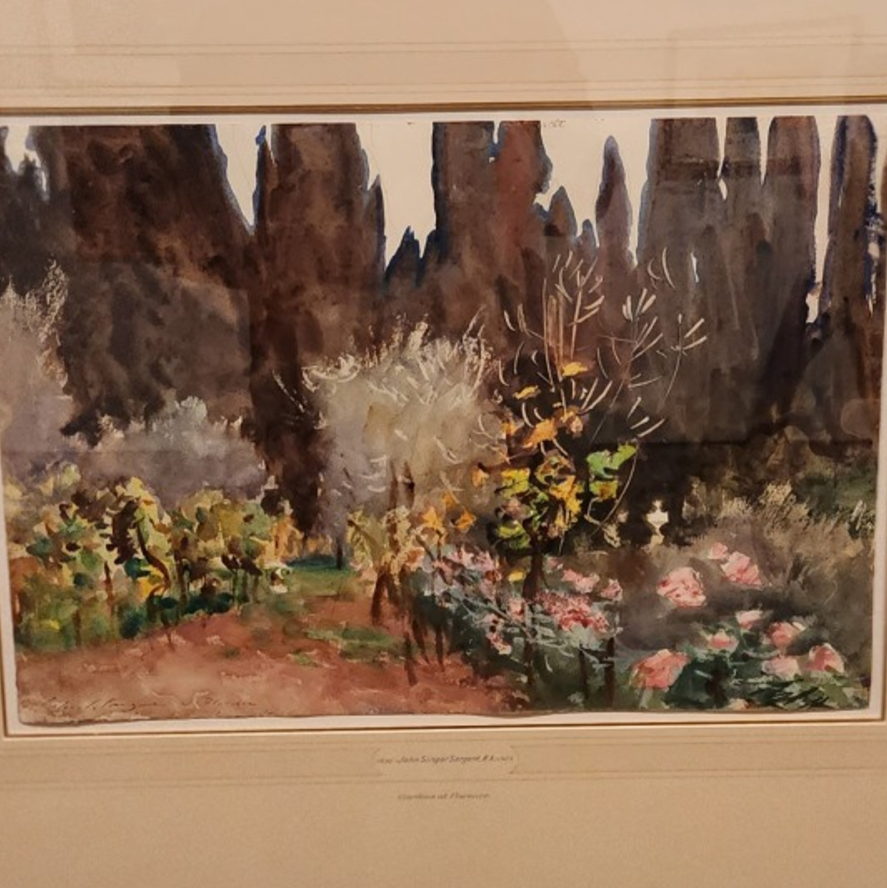
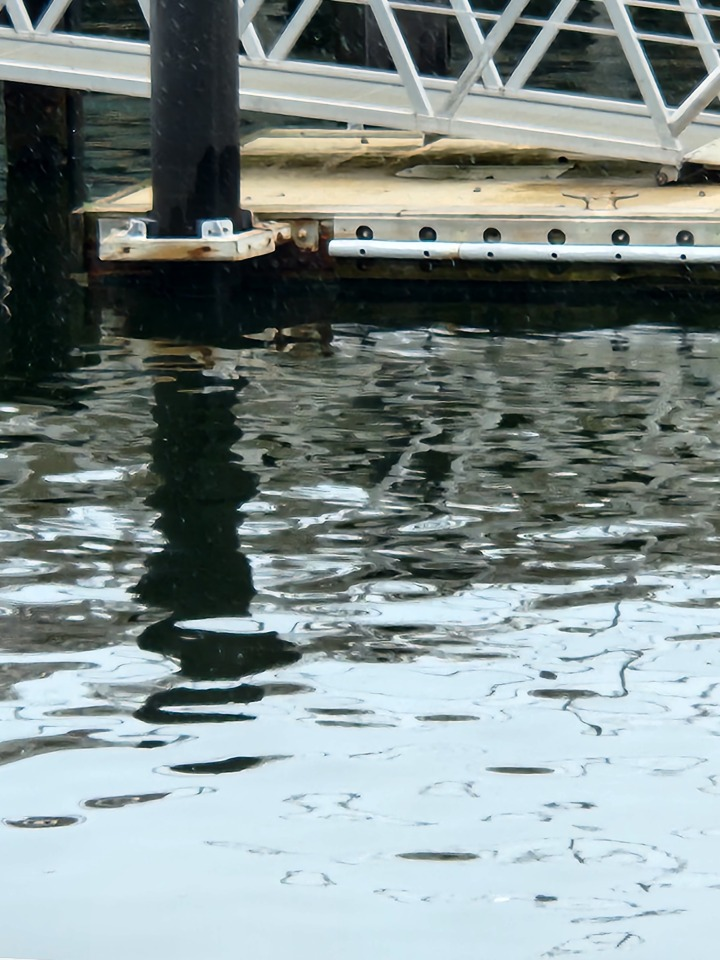
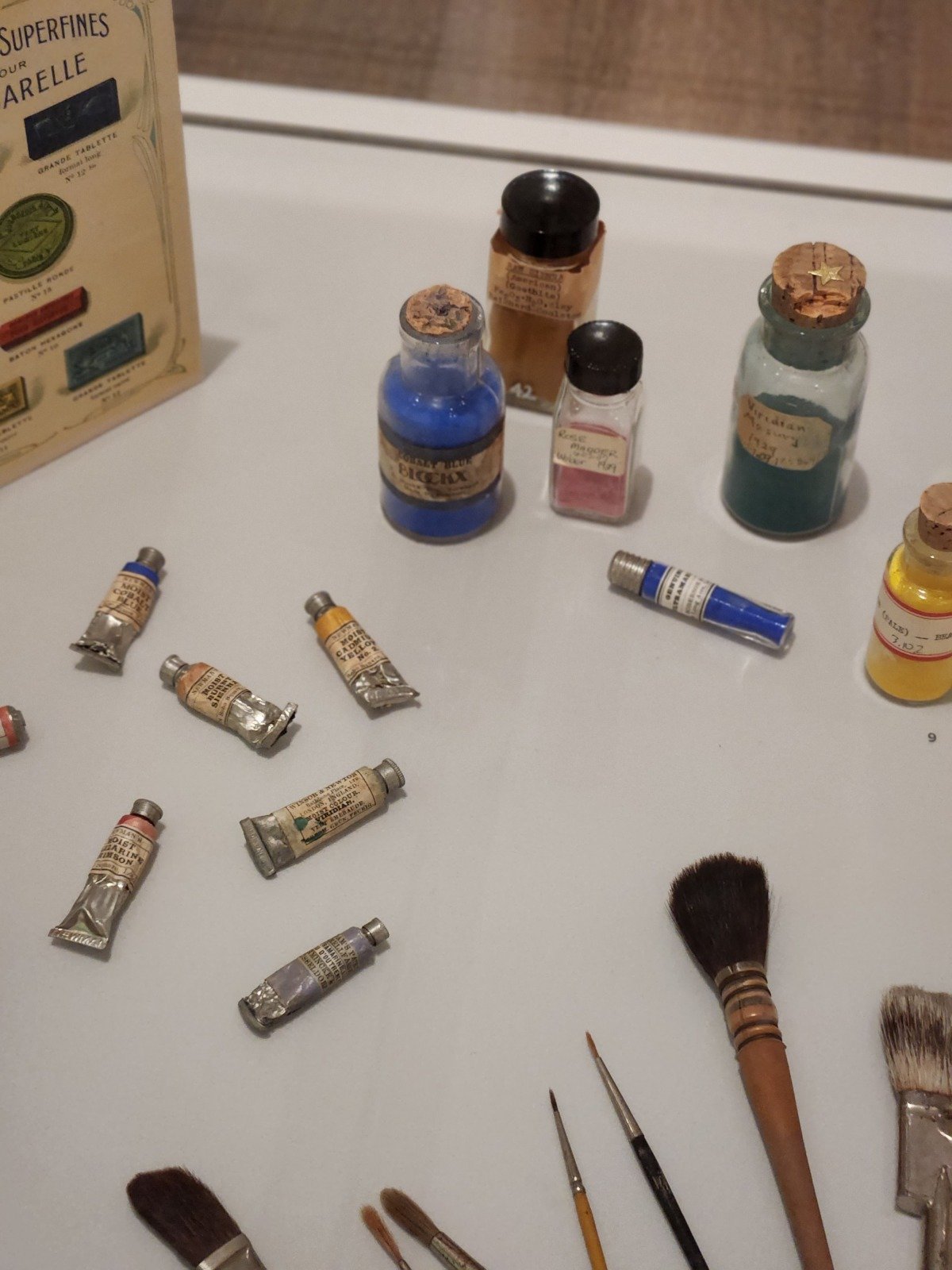
When I get stuck, I go look at something made with conviction. I needed to see scale, structure, and decision-making up close, then come back and face the surface again. We'll take a trip to Boston to see something.
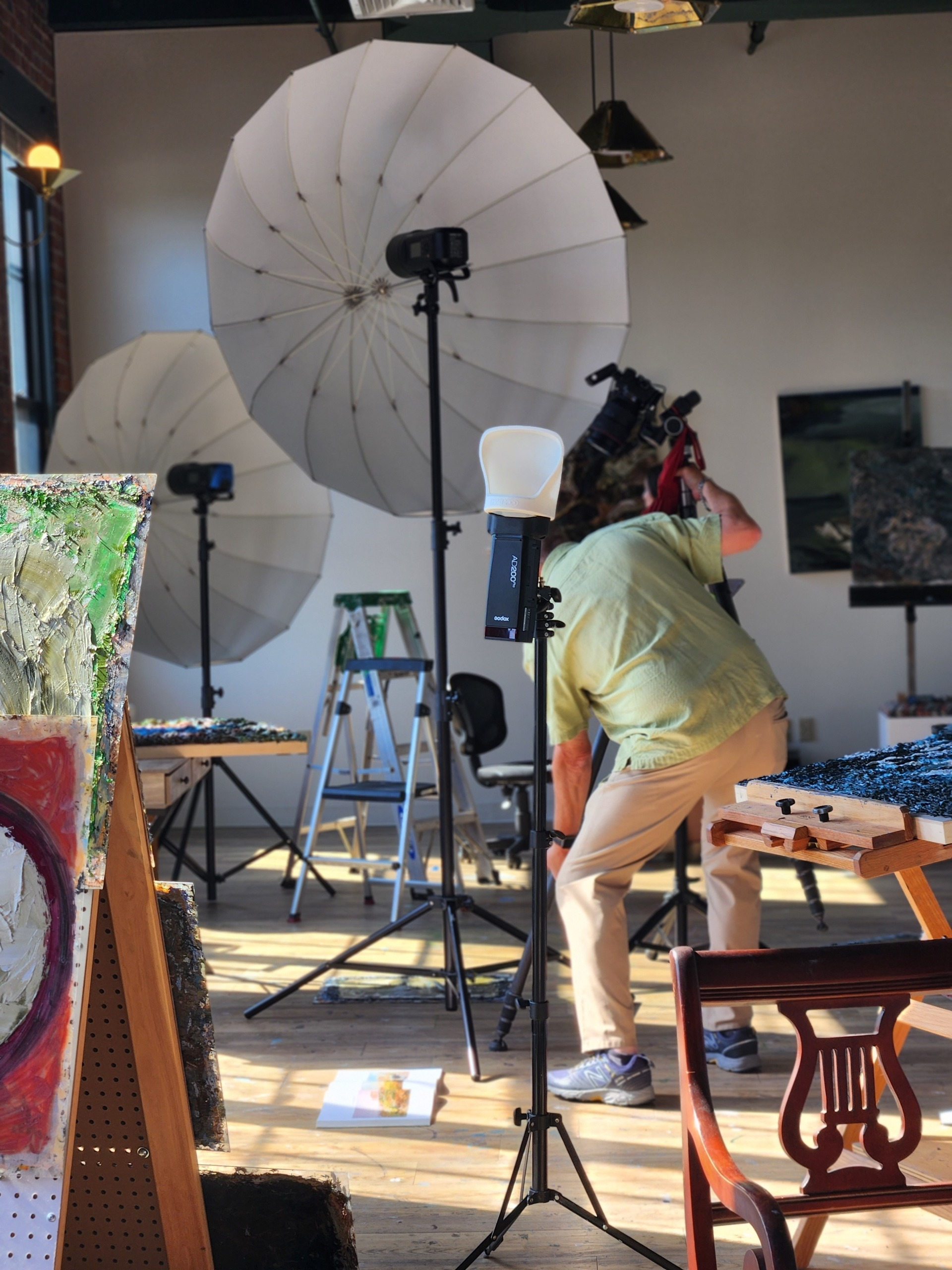
July 6, 2023
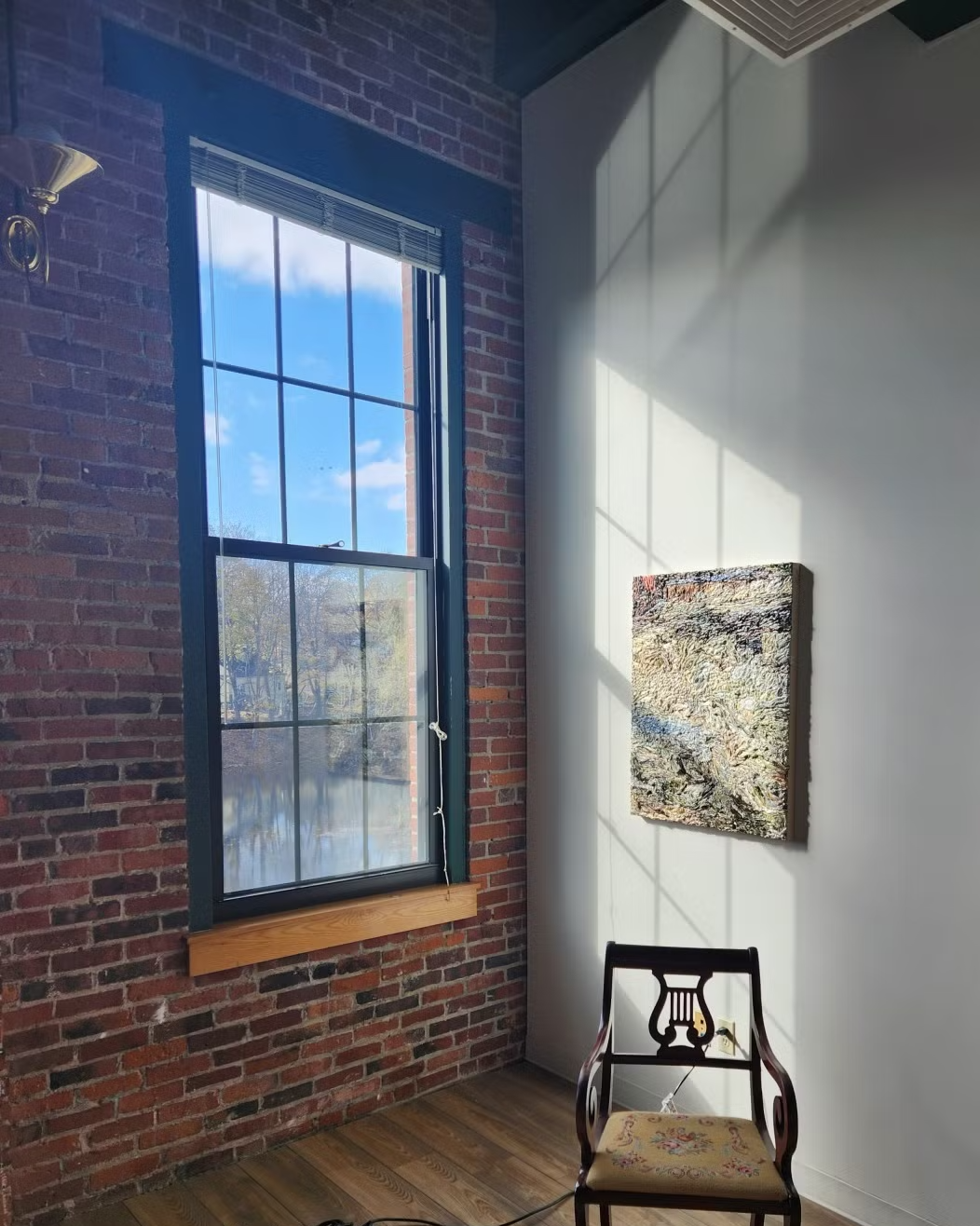
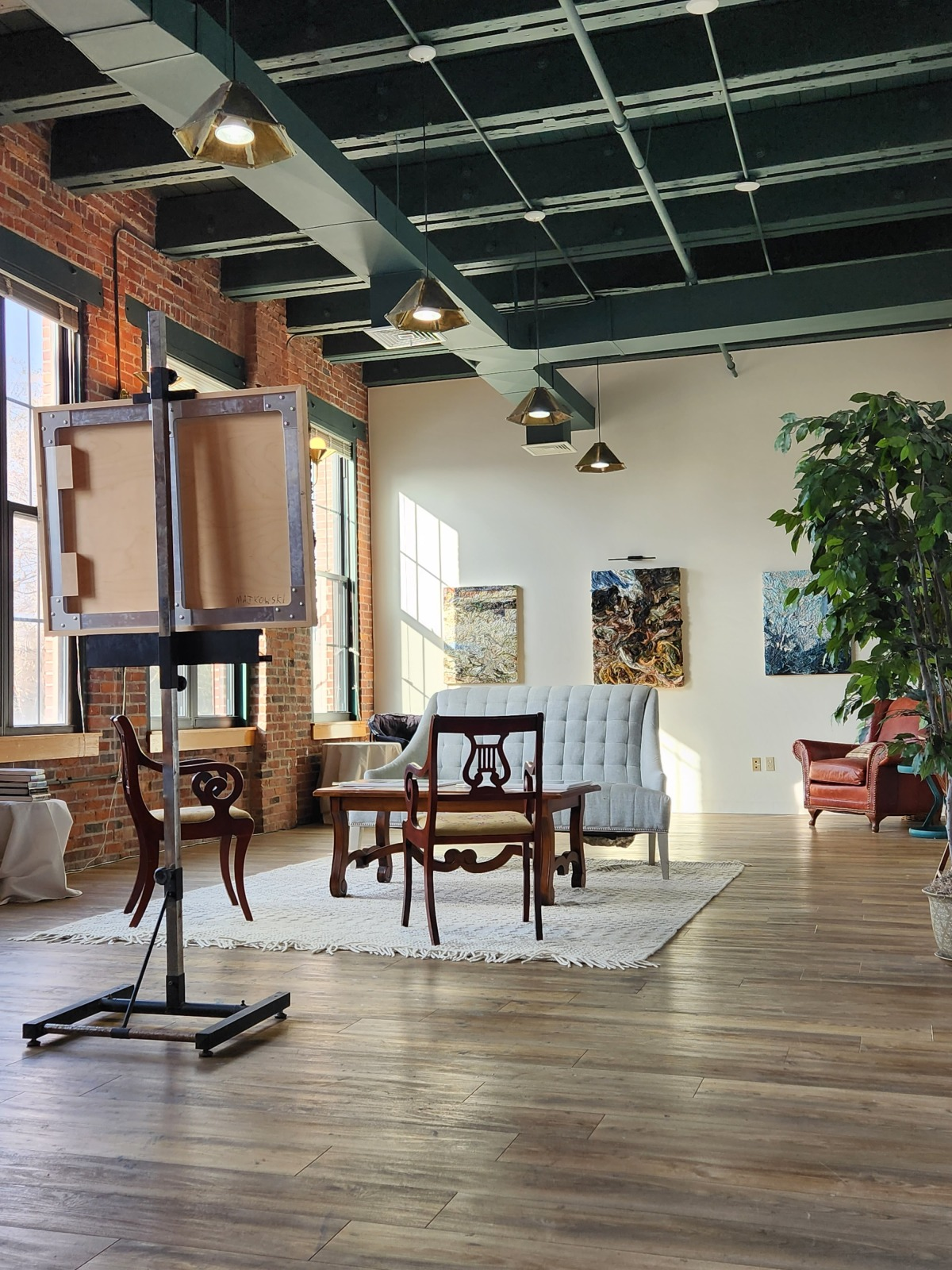
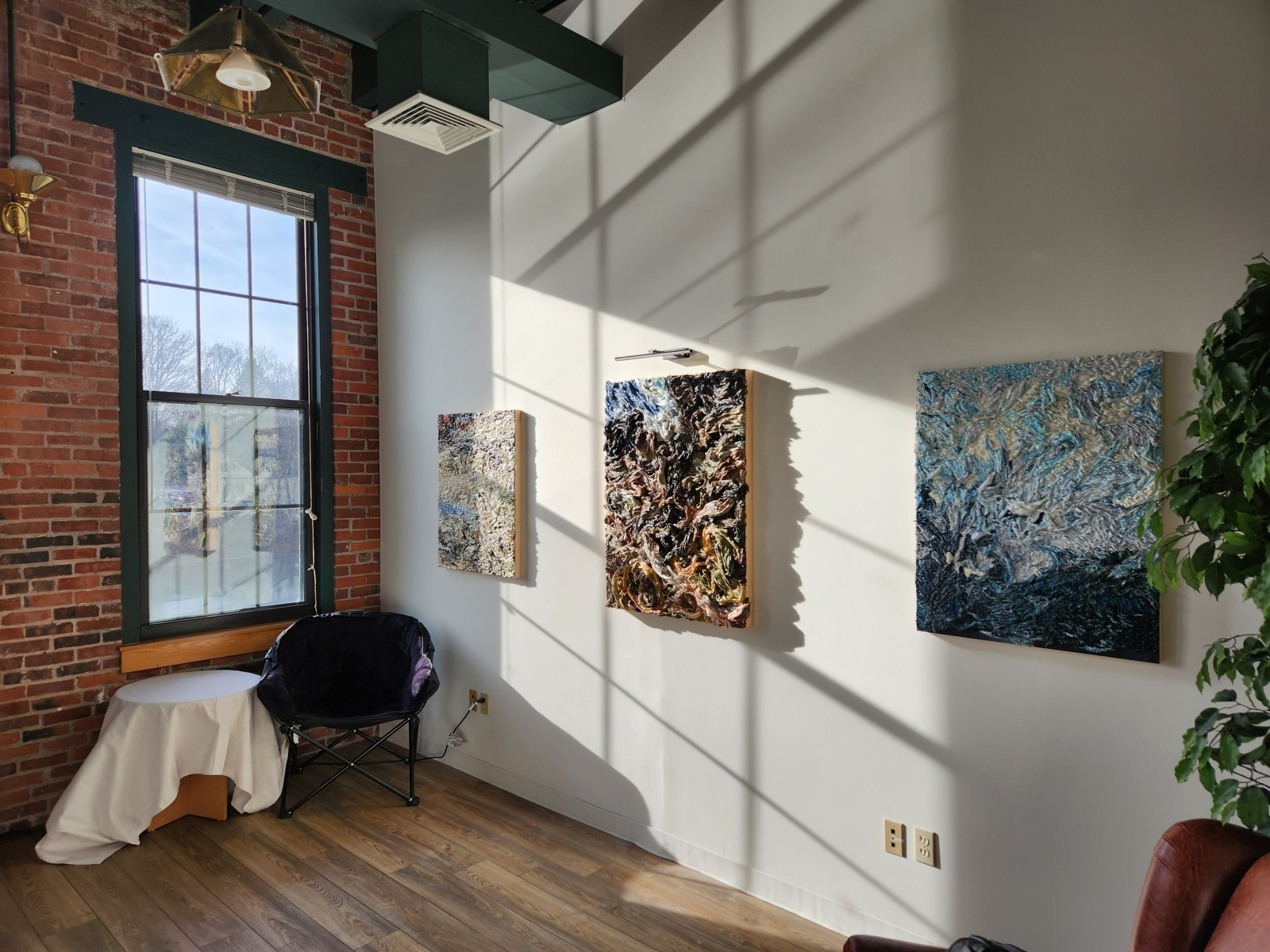
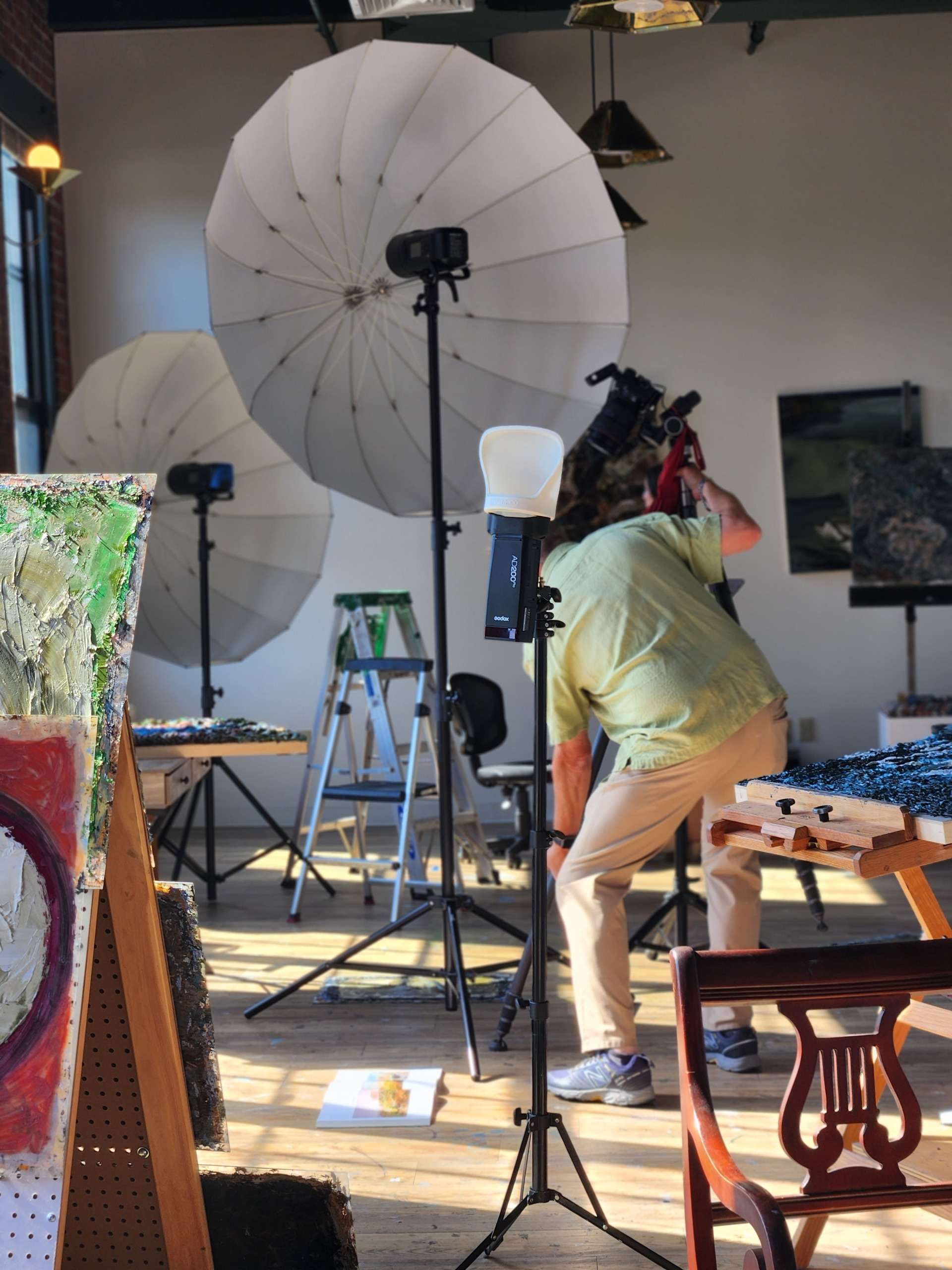
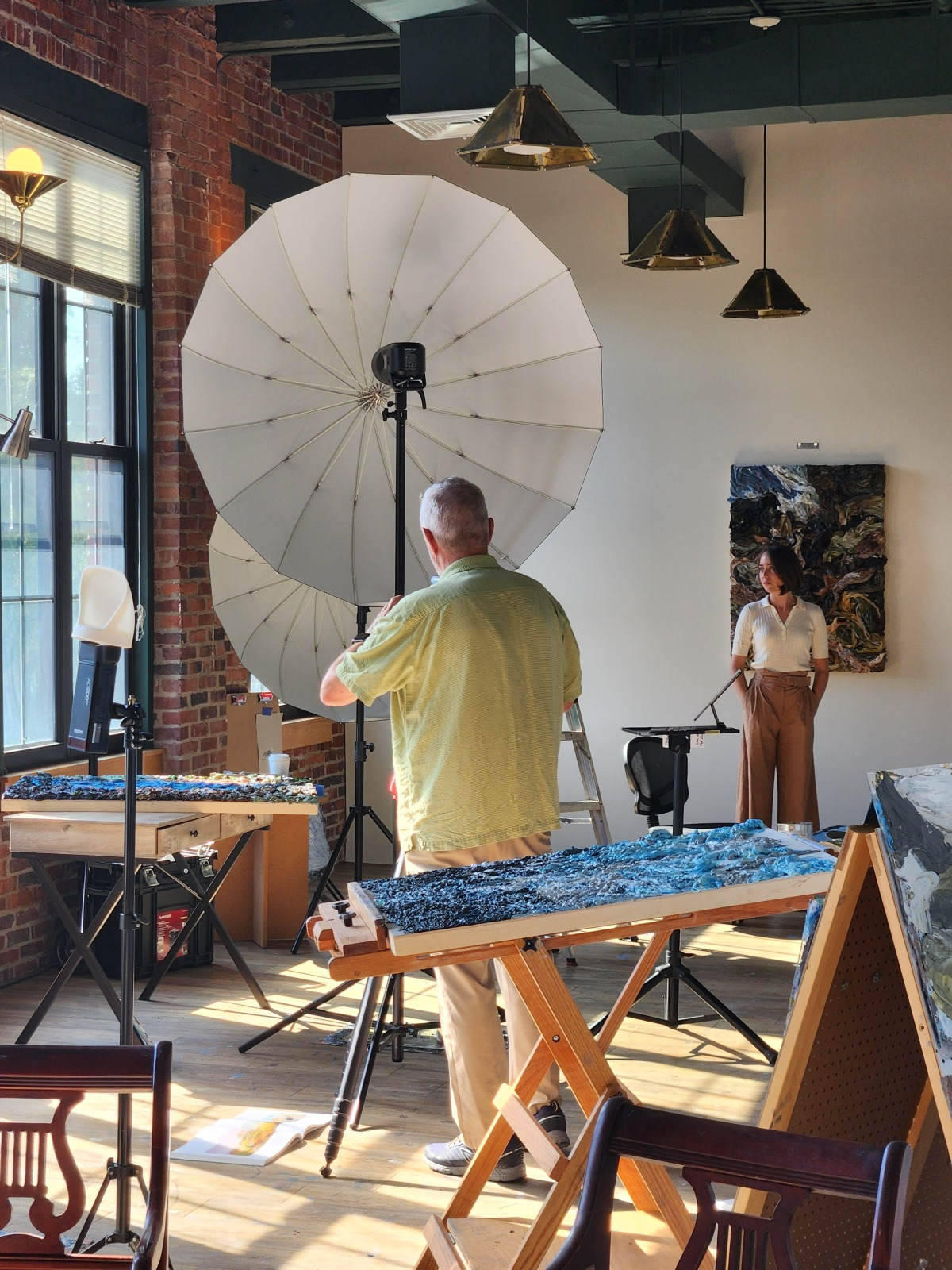
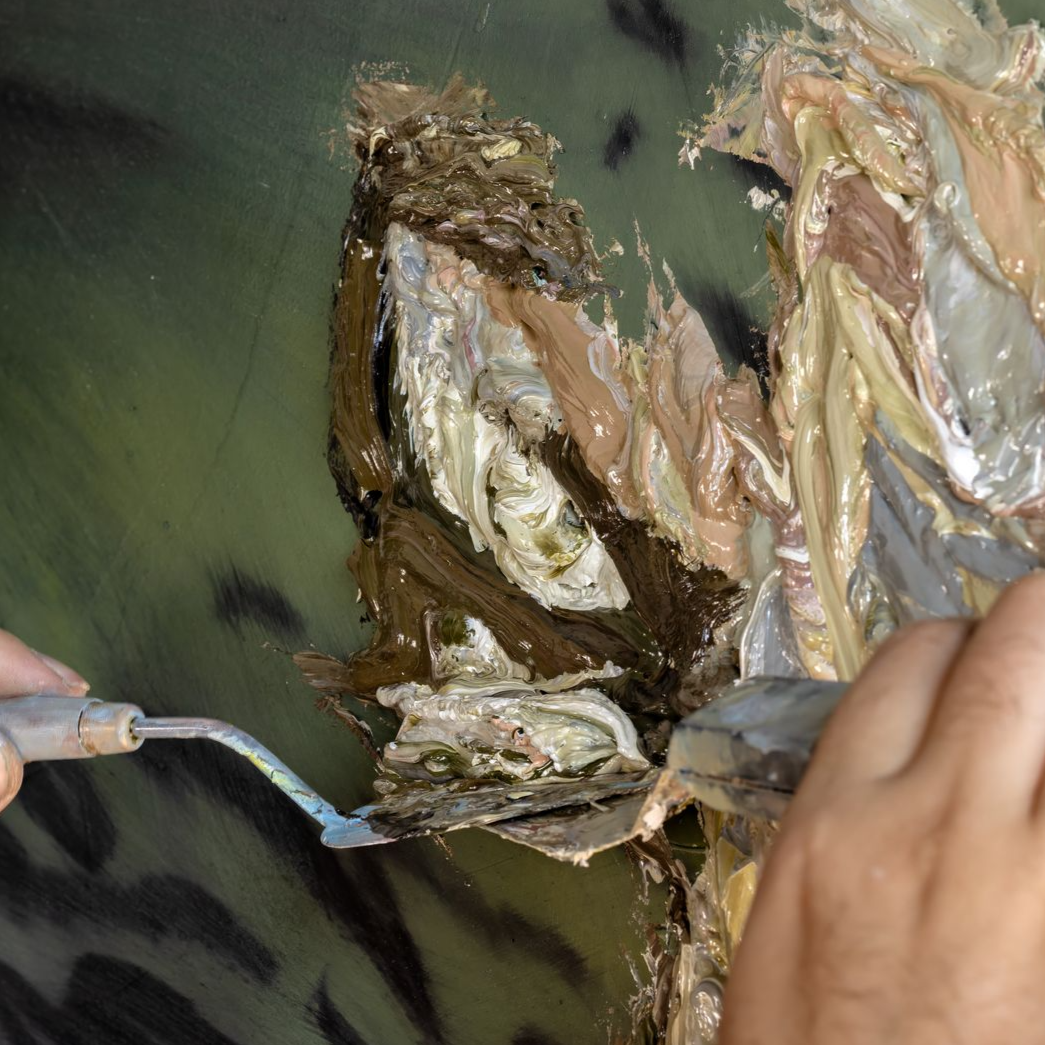
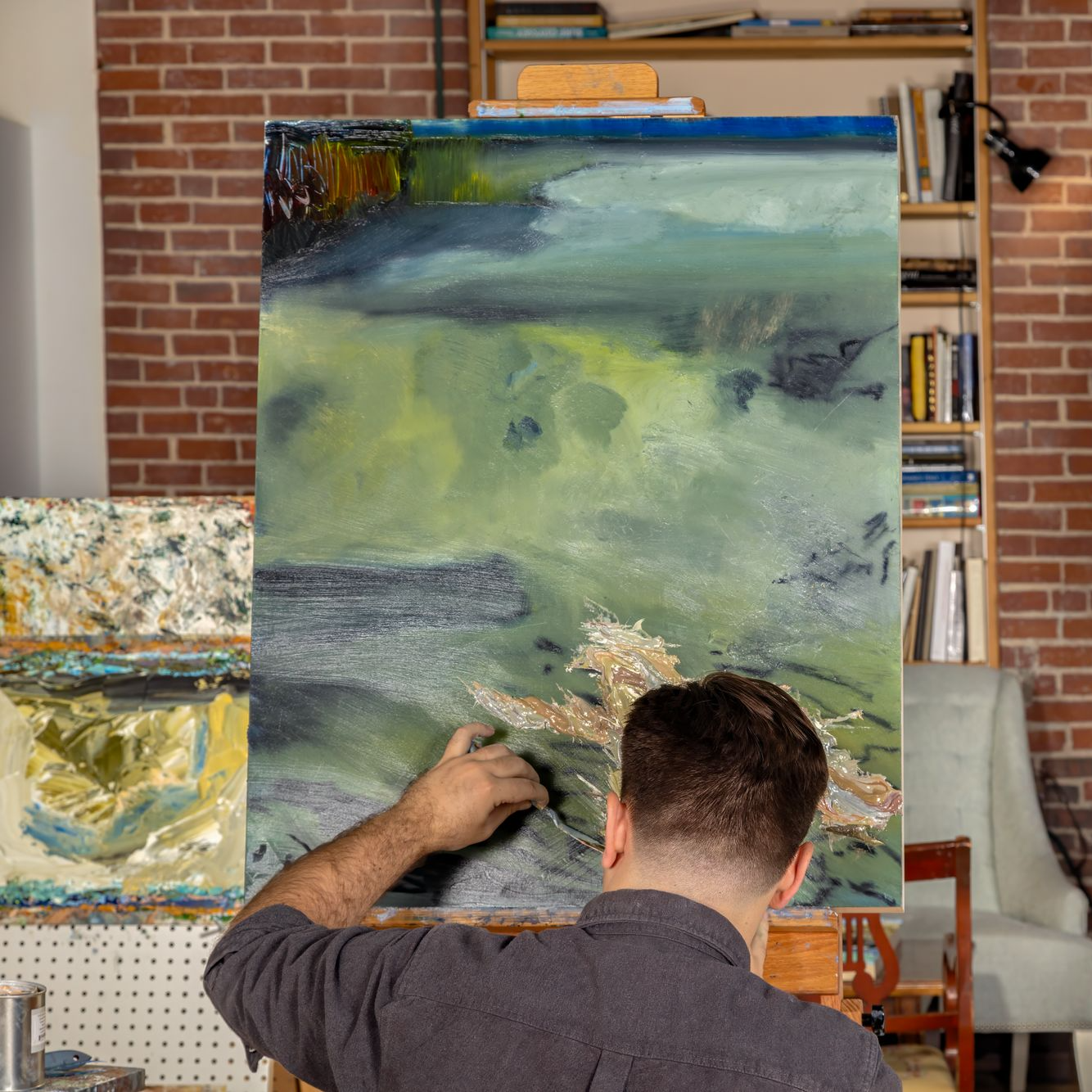
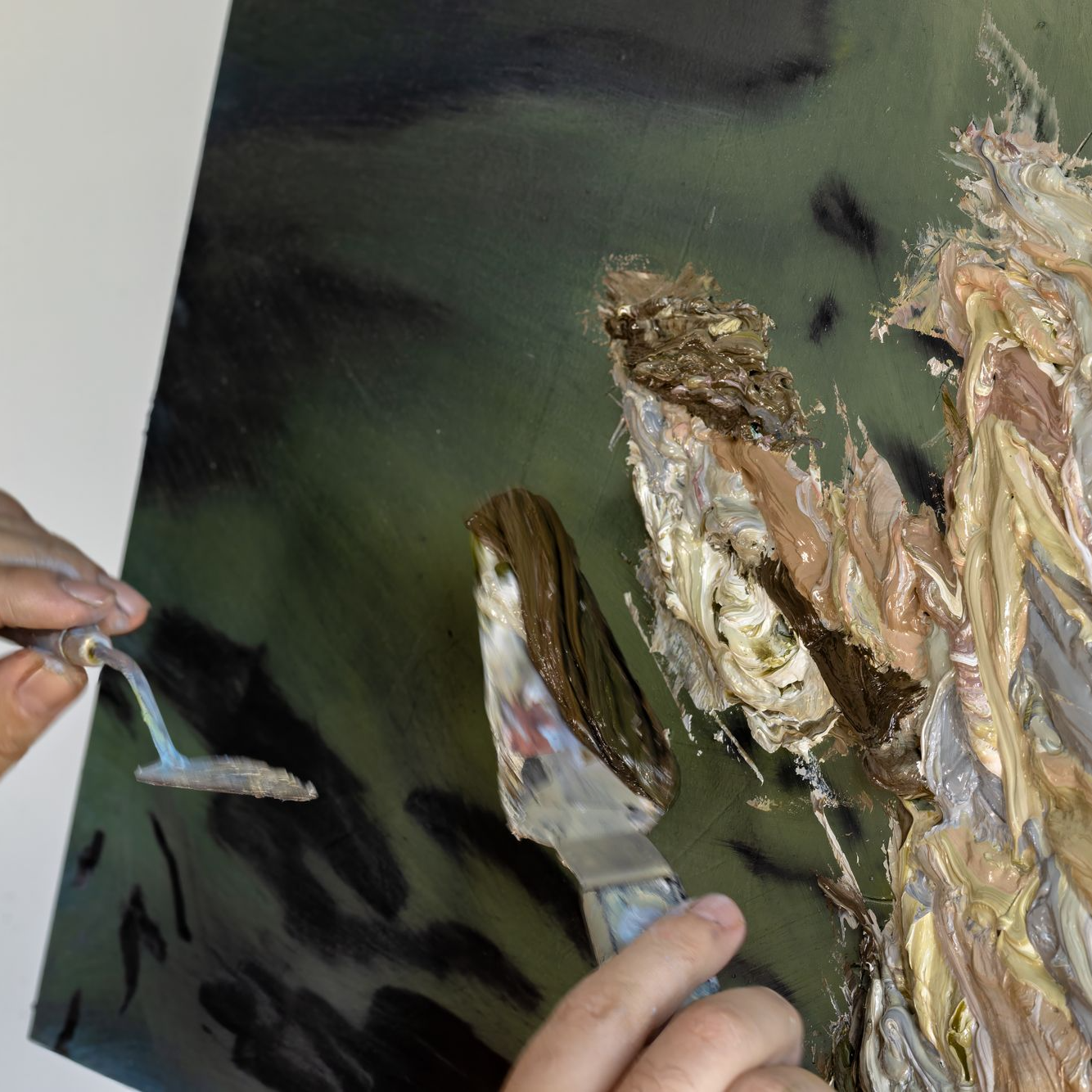
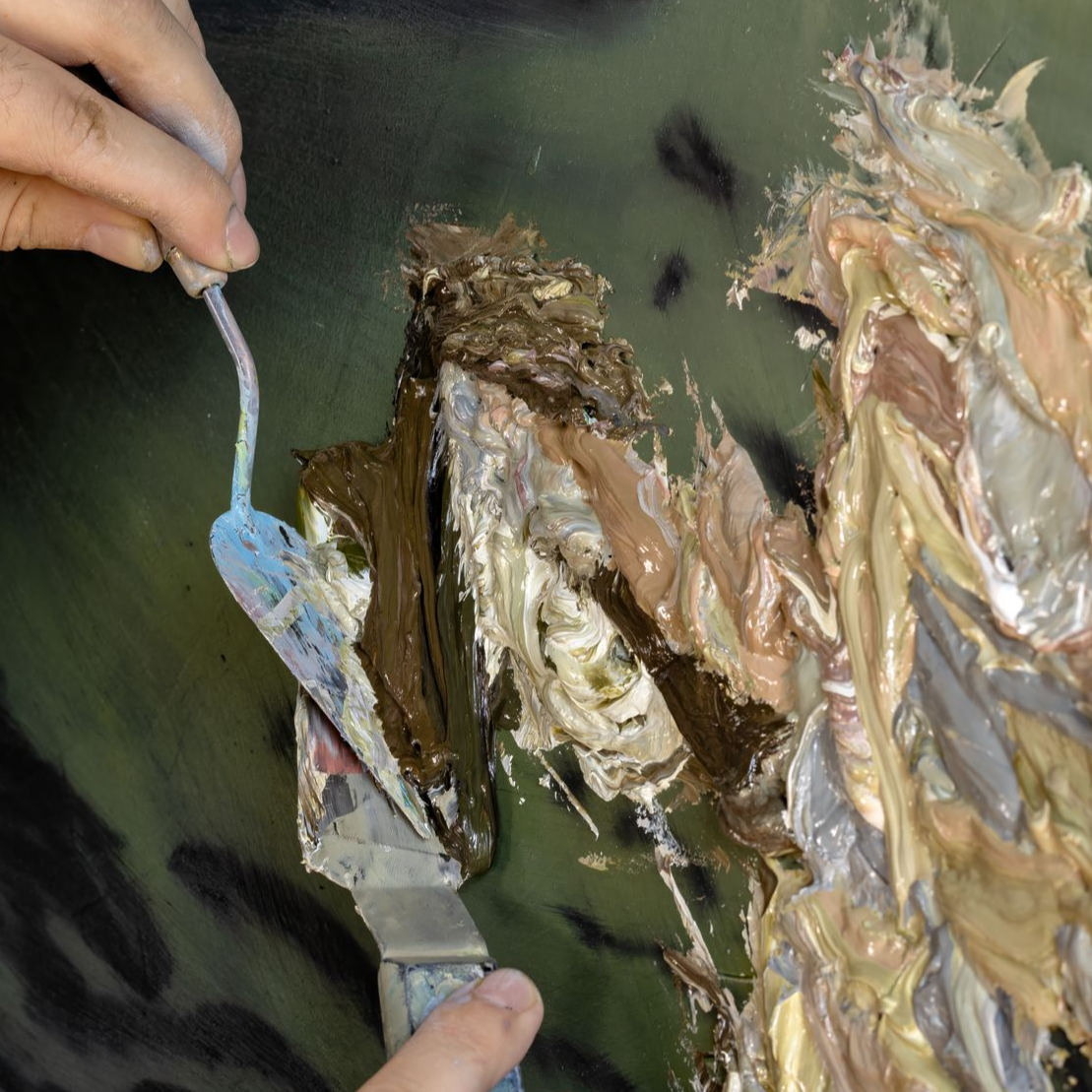
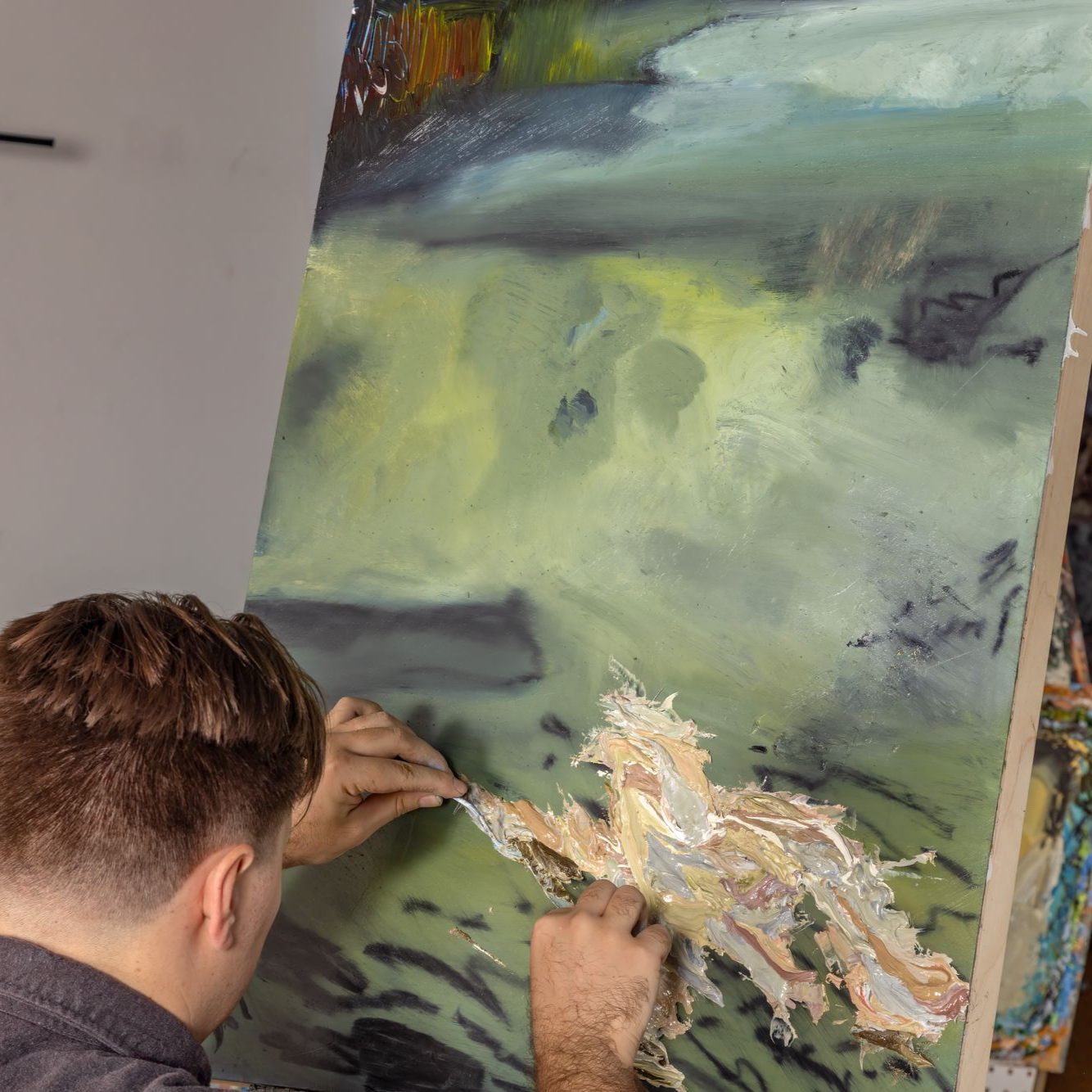
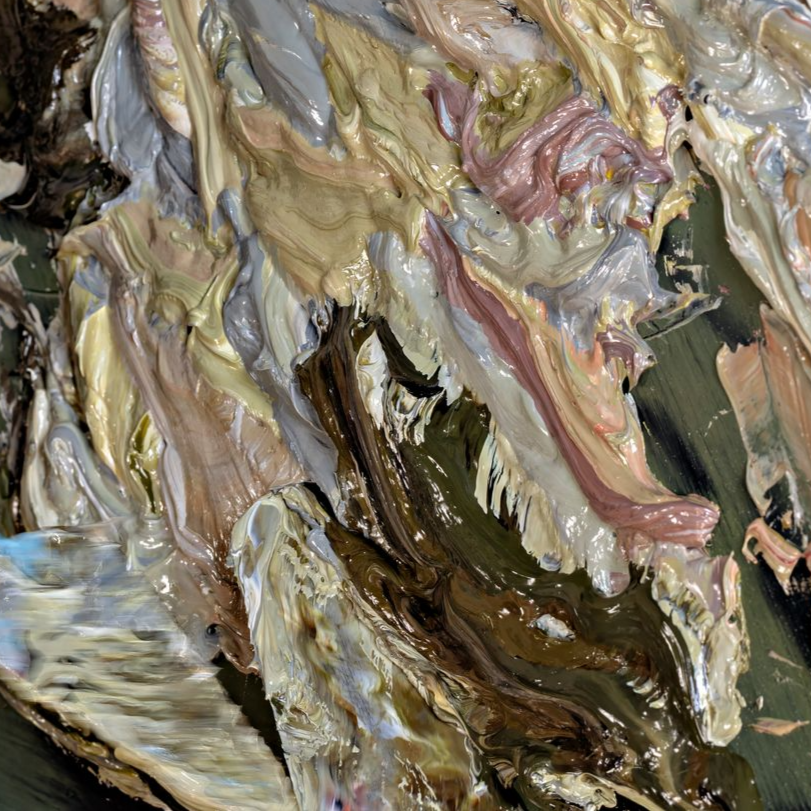
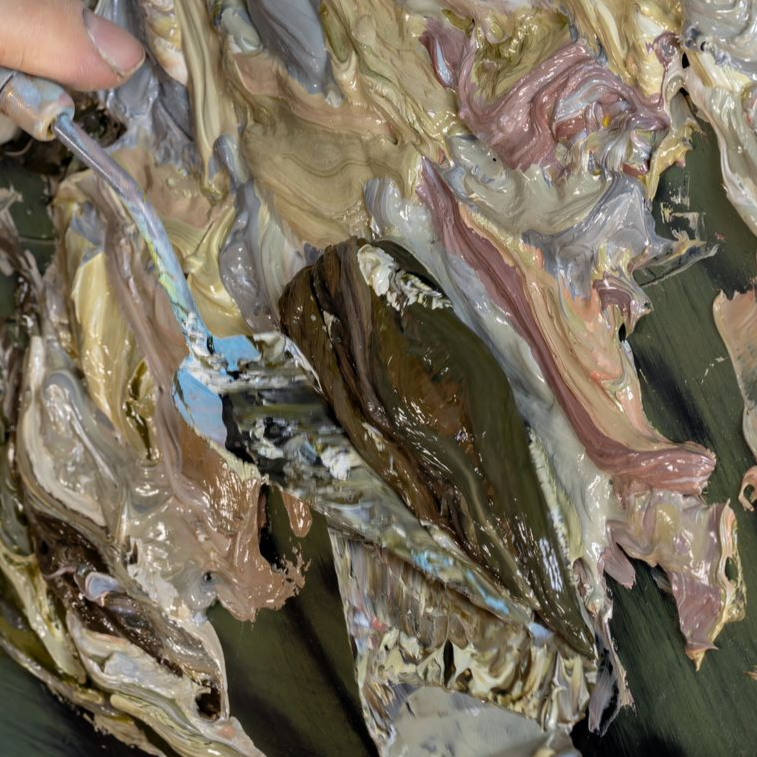
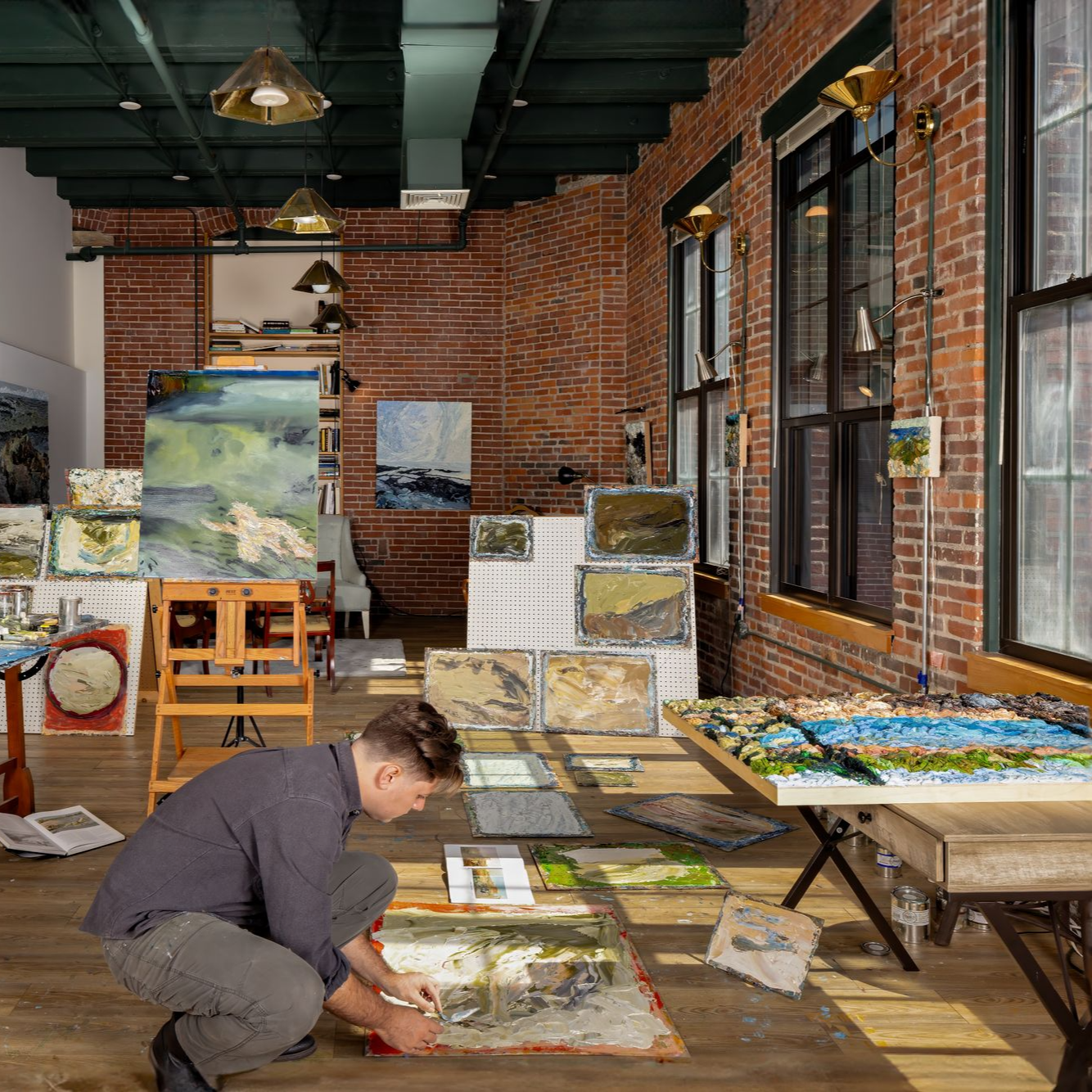
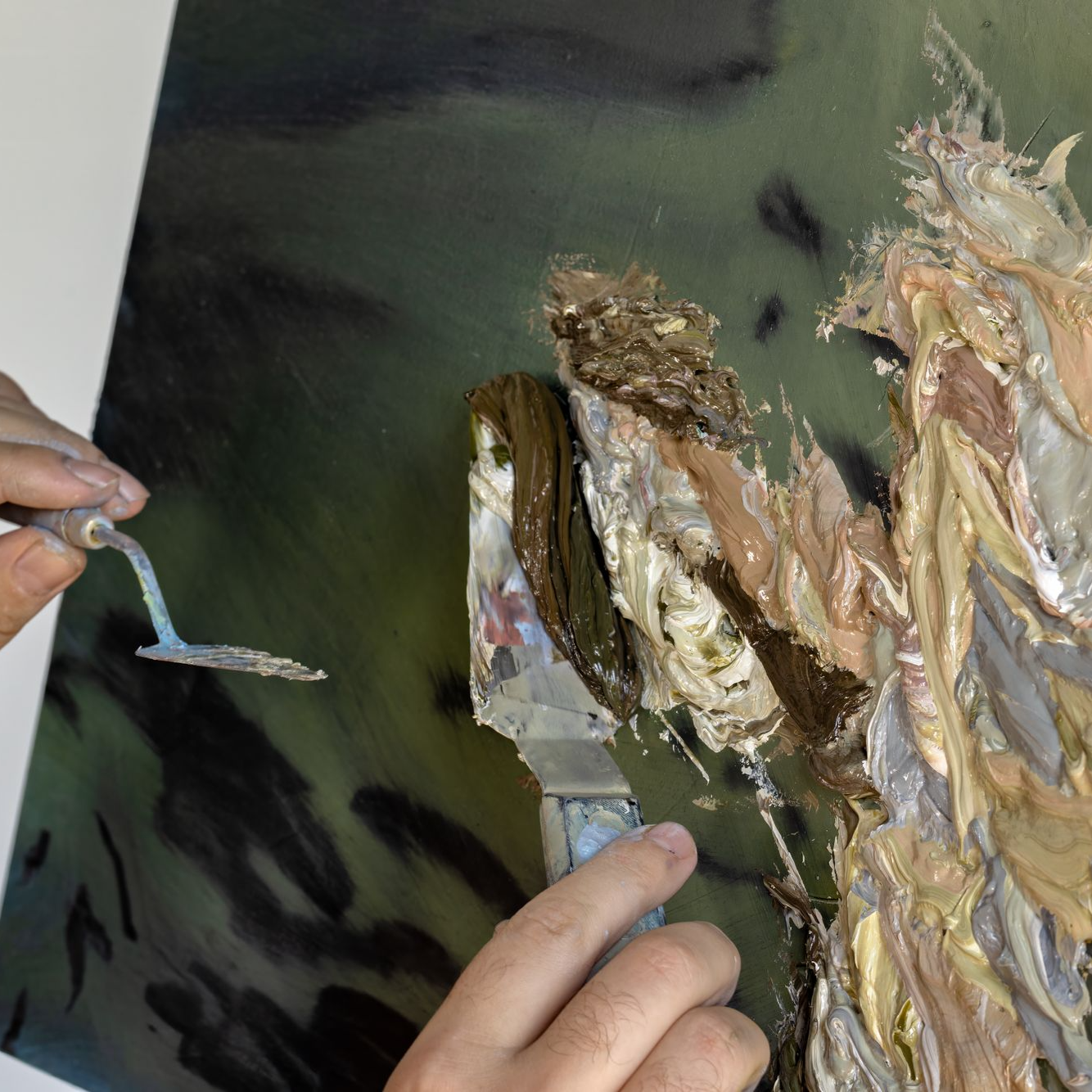
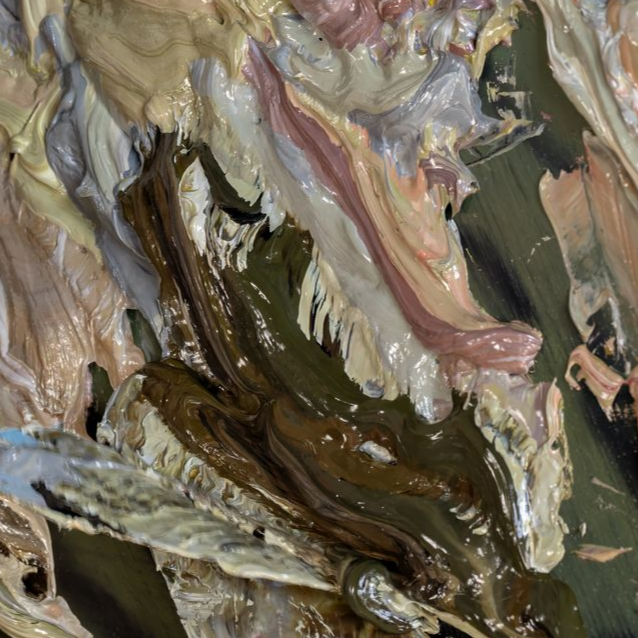
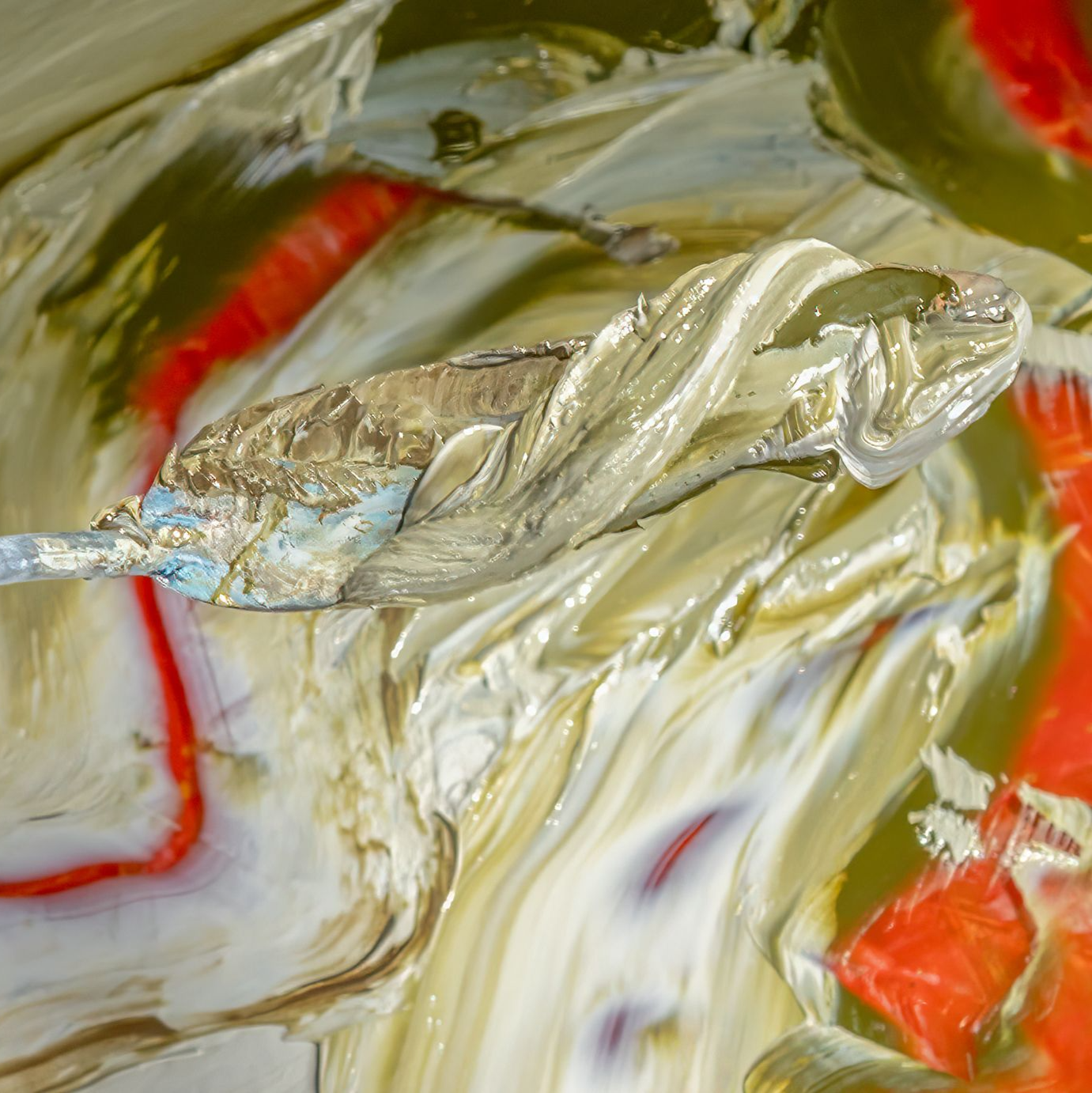
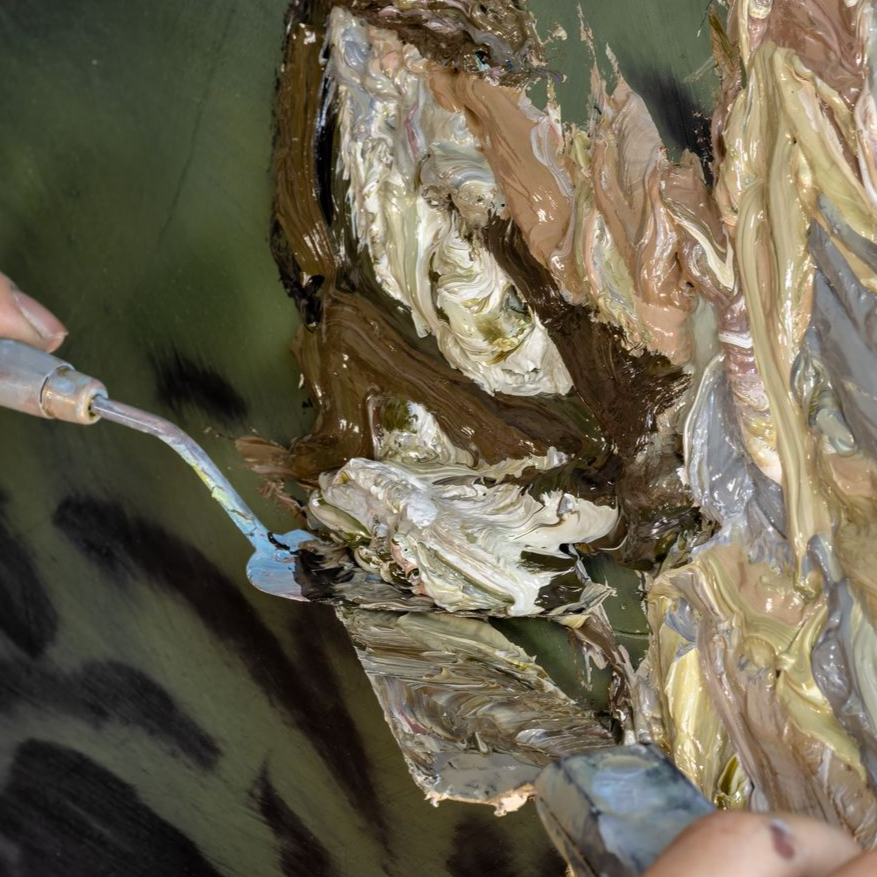
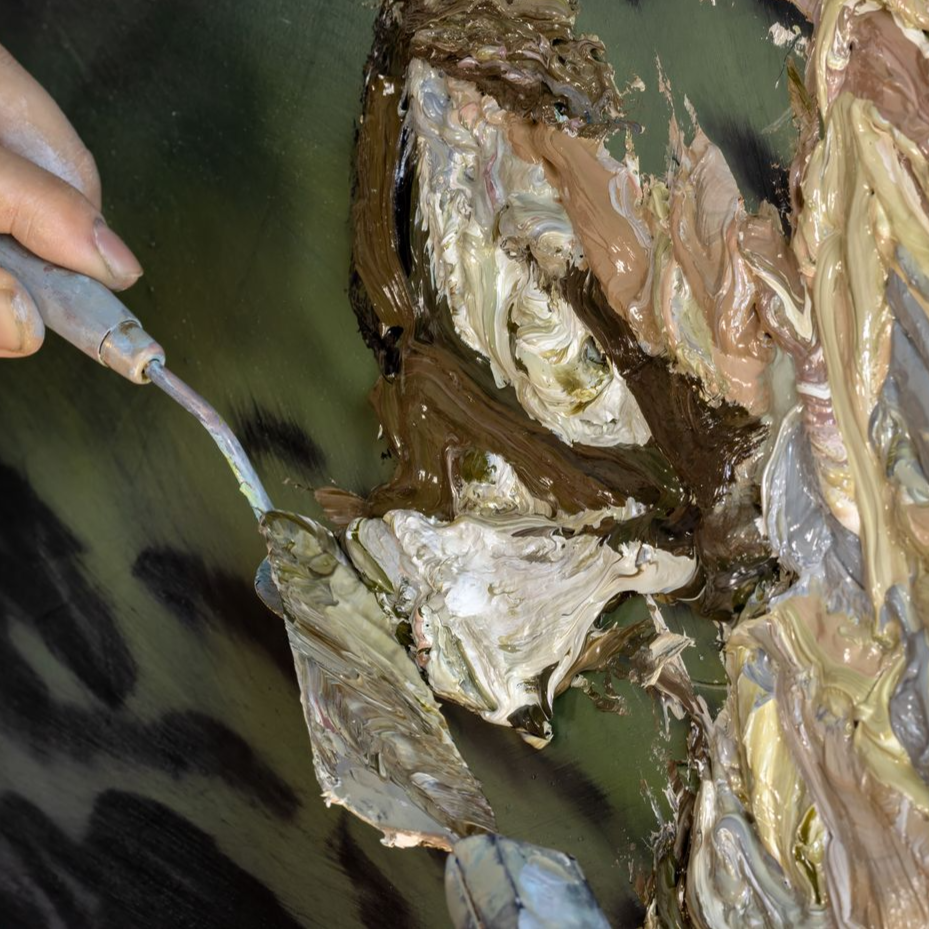
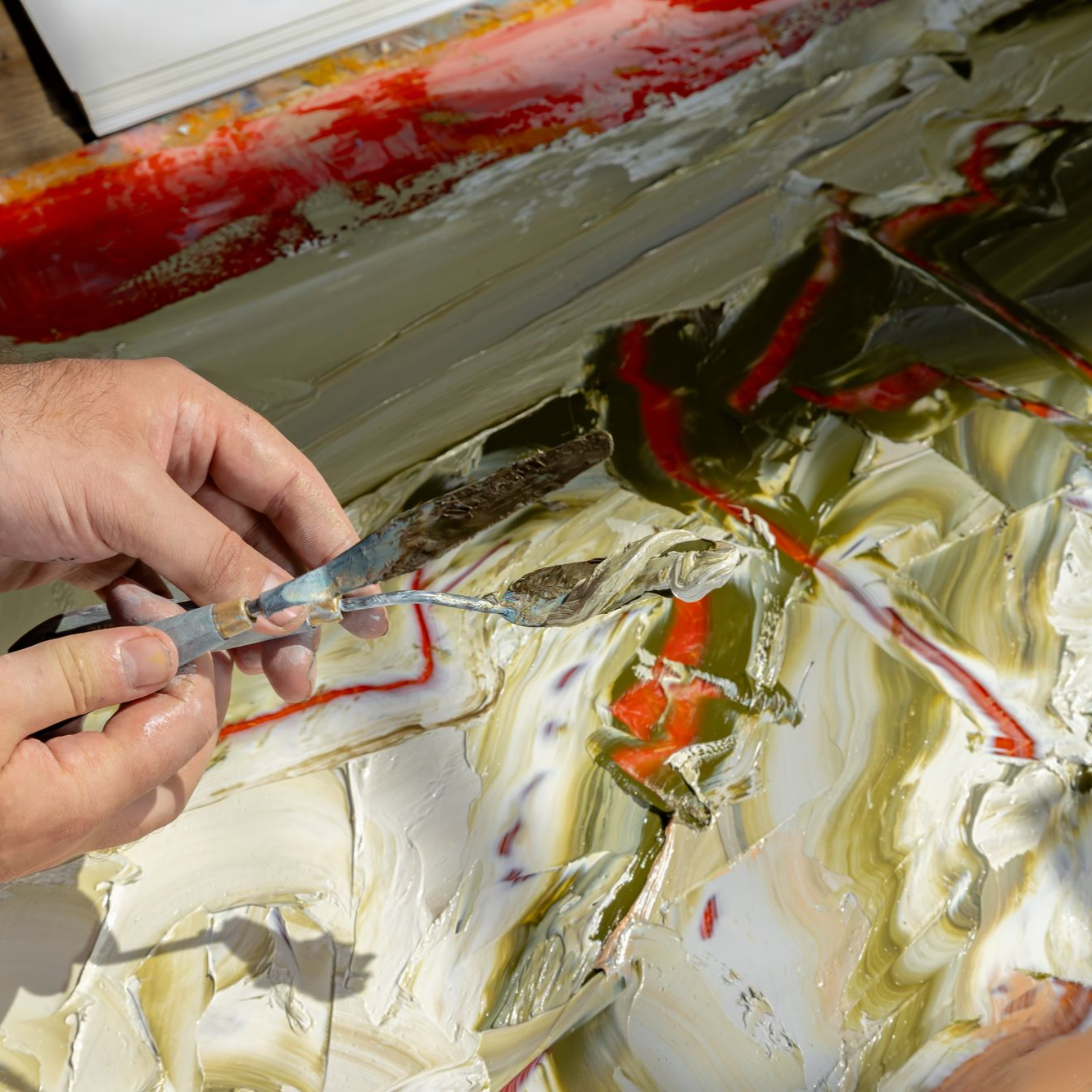
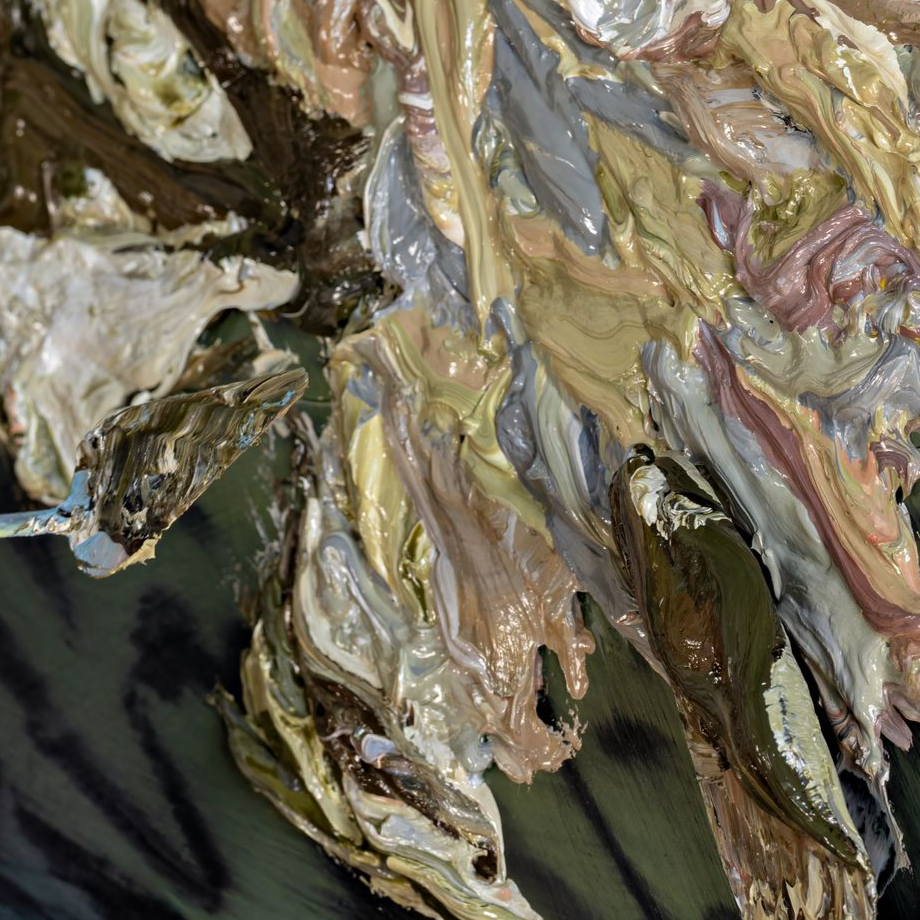
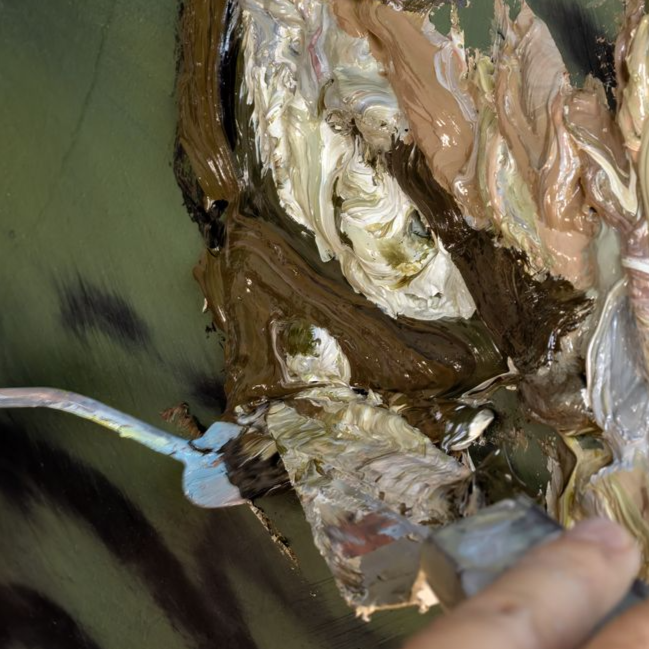
David Clough visited today to photograph my completed and in-progress works. One of the biggest challenges in sharing my art is getting high-quality photographs. My works have such varied surfaces that the light cast on them misrepresents what's truly there. After discussing this with David, I wanted to capture a few shots of my process from his perspective—to demonstrate my painting technique and see it through his eyes.
David is an exceptional architectural and commercial photographer who has captured the work of many artists I admire throughout New England. It was an honor to have him in my studio today and share my process.
Even with good documentation and a clearer record of the process, I still hesitated. The problem was not effort. It was desire. I had to decide what the painting was actually allowed to be.
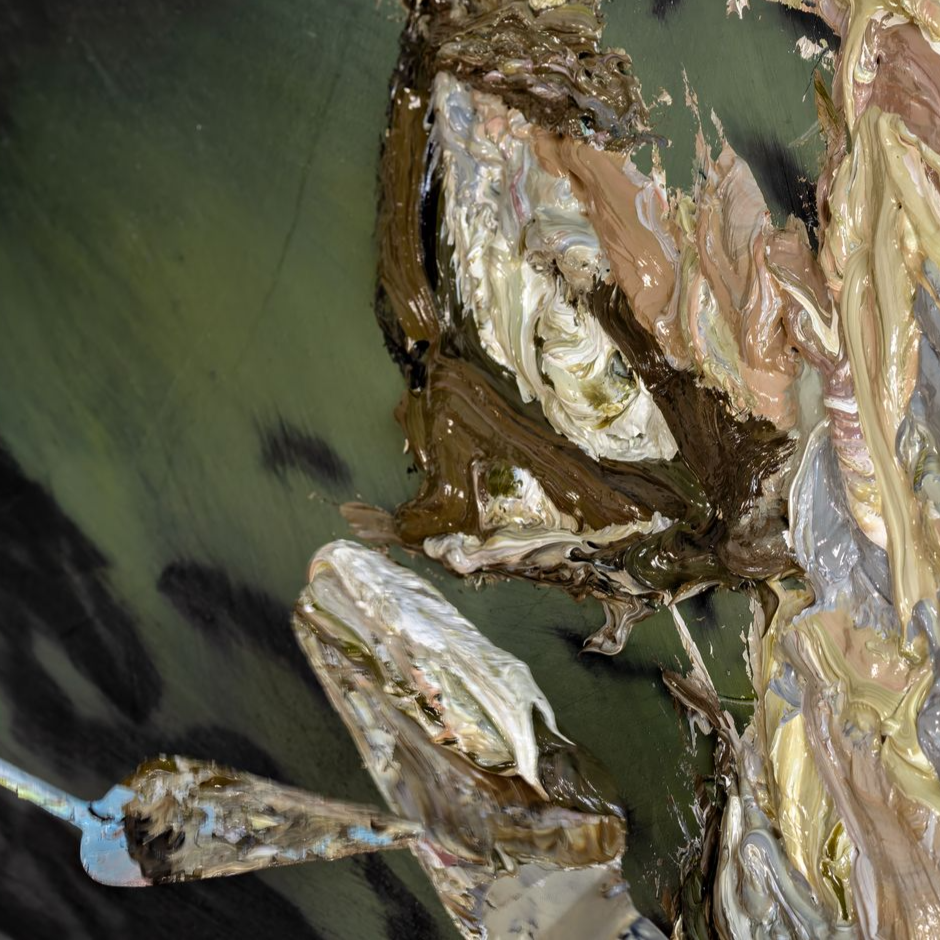
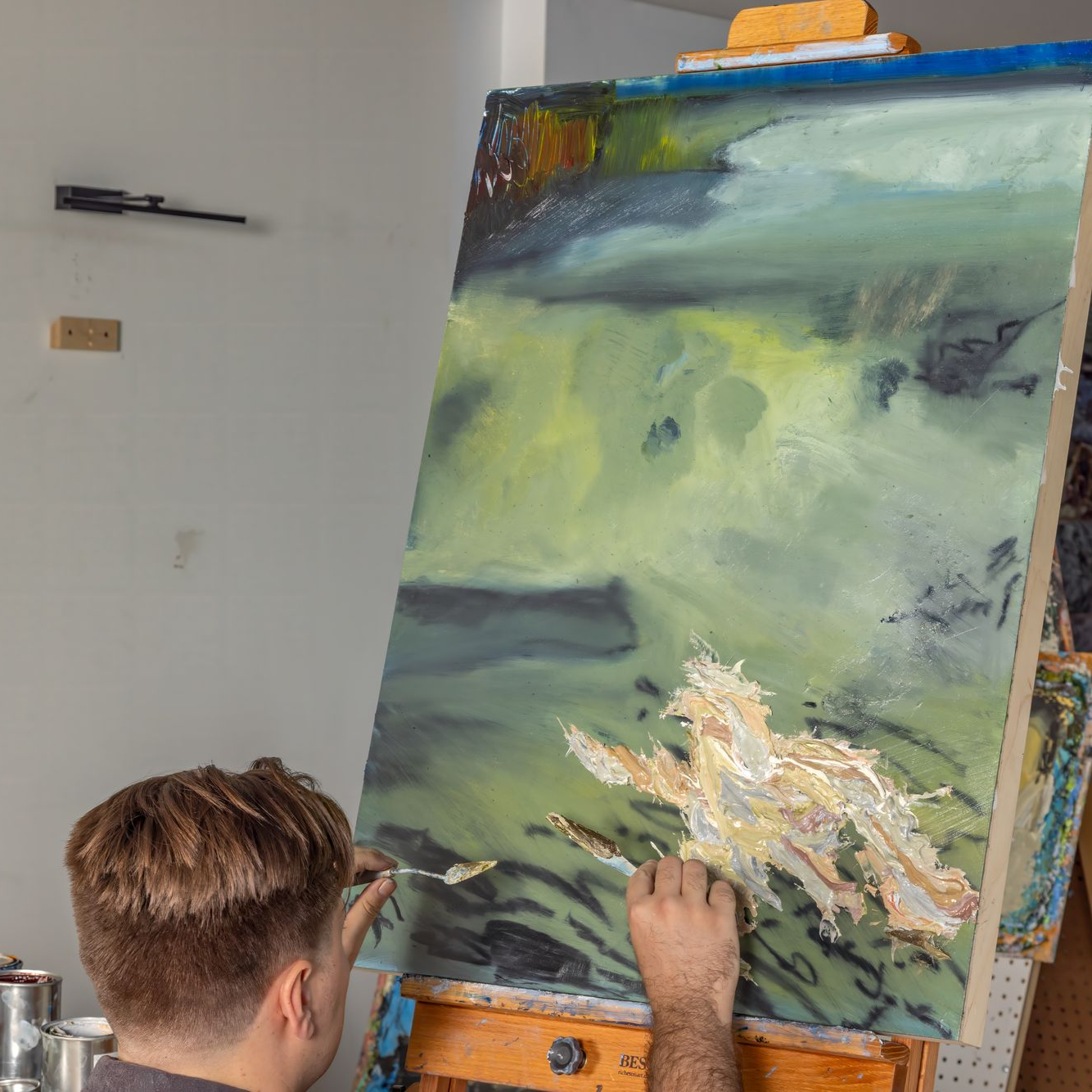
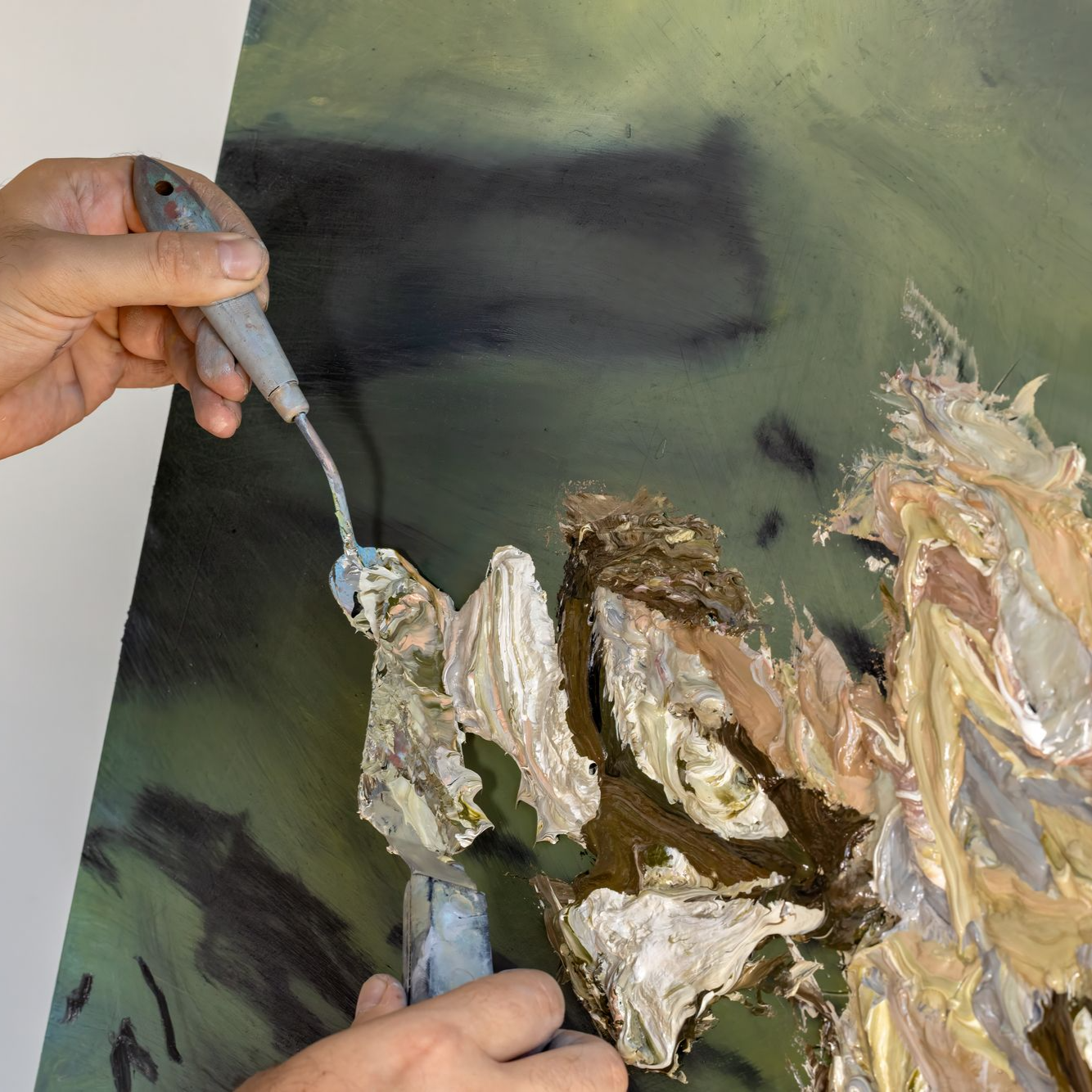
August 9th, 2023
Although we made excellent progress at the beginning of July, I haven't been able to sit still and work on this painting. Something is paralyzing me from making progress. Catherine and I decided to set a deadline—I would finish it by December 1.
In the meantime, we booked a dinner at Elda for our anniversary. Elda is in the Biddeford Mills, though at the time of writing this, it's closed.
I did not expect a restaurant to unlock this painting, but it did. Watching how a chef builds restraint, rhythm, and care into a meal gave me a way to think about what this work needed: clarity without losing intensity.
Fine dining is one of my secret passions and a wellspring of inspiration. When I'm stuck in my creative process—overthinking a painting's purpose or my own identity—I've found an unexpected solution: viewing challenges through the lens of a chef at a high-end restaurant. This perspective has become a powerful antidote for my creative paralysis.
By focusing on a dish's beauty, I'm drawn to its simplicity. A great dish isn't overcrowded. Its portion size is carefully considered so guests feel satisfied after a multi-course meal. Each dish undergoes an iterative creative process similar to what I experience. We conceive an idea, bring it to life, then refine it—tweaking, pushing, moving, adding, and subtracting - all in service to complete result. Then onto the next.
Success comes when everything works as a whole. In a series of dishes, one that's too distracting or different might need to be scrapped, adjusted, or refined.
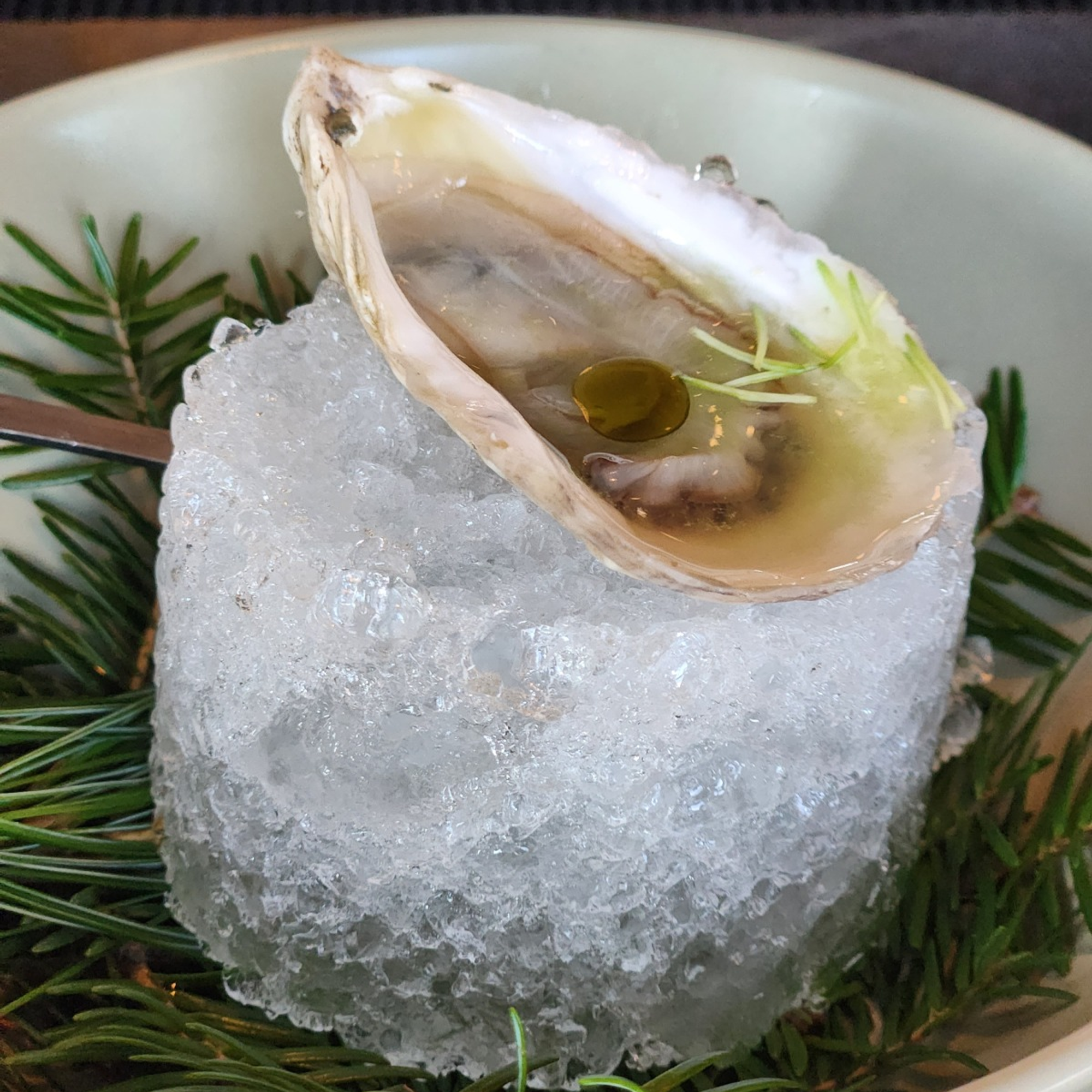
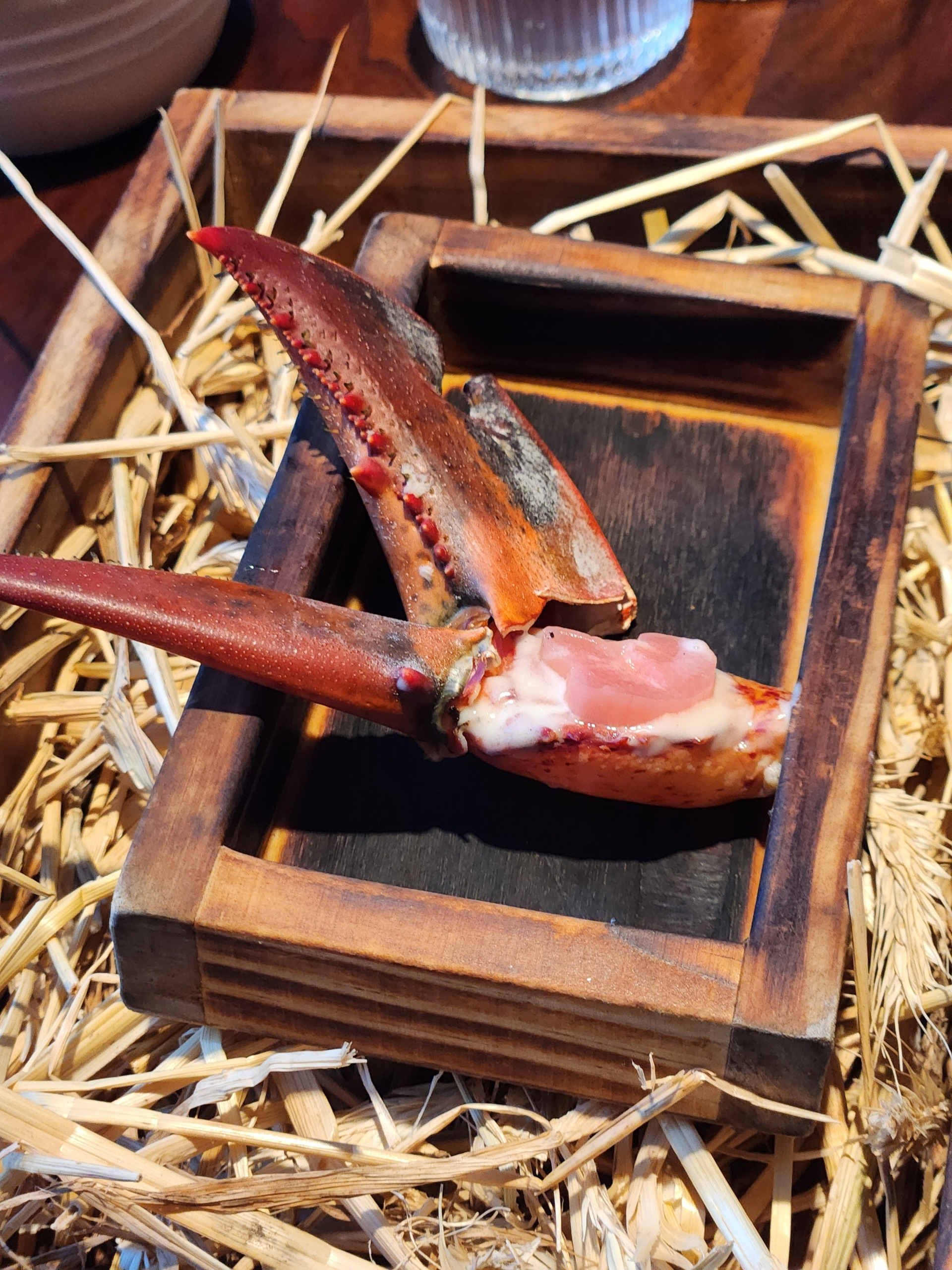
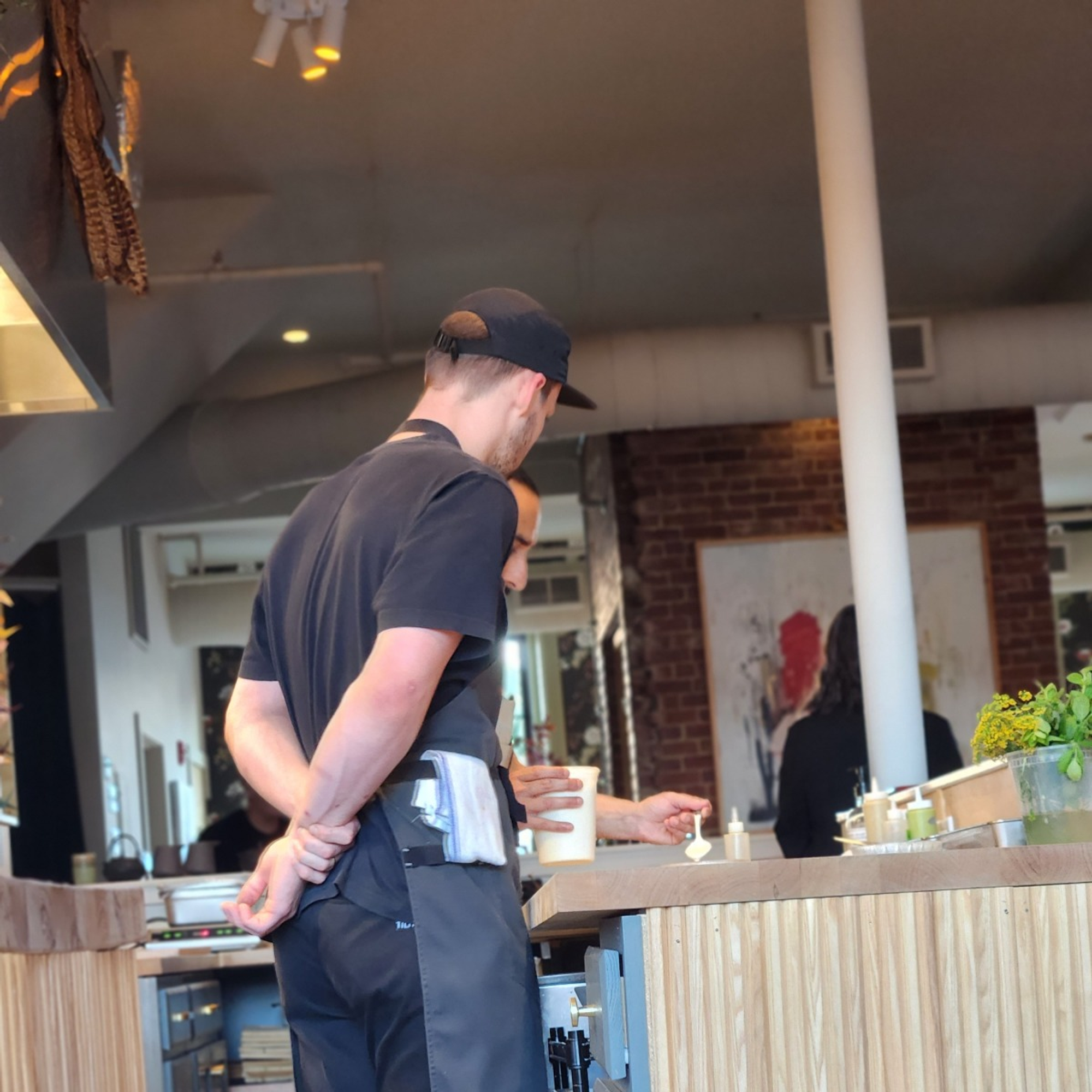
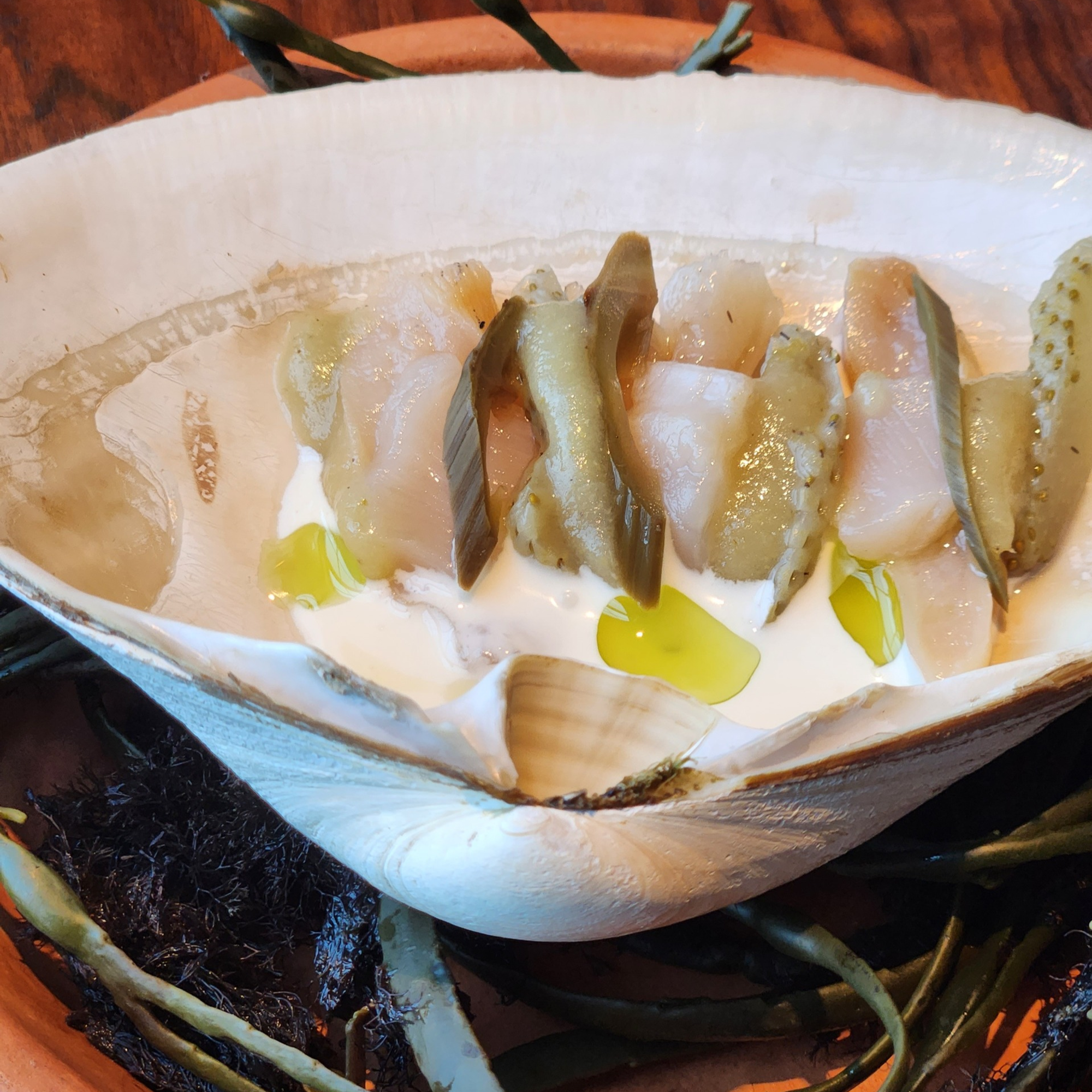
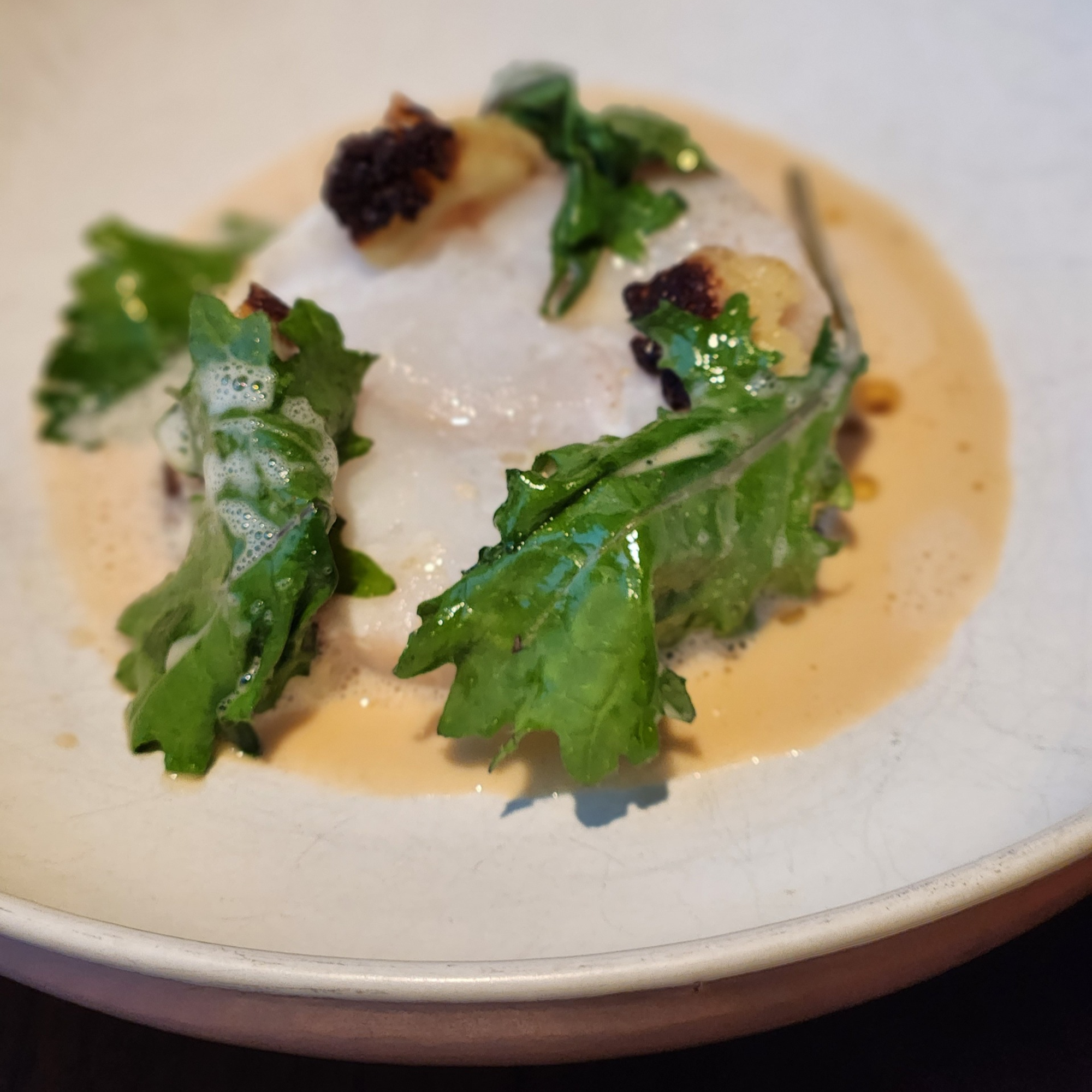
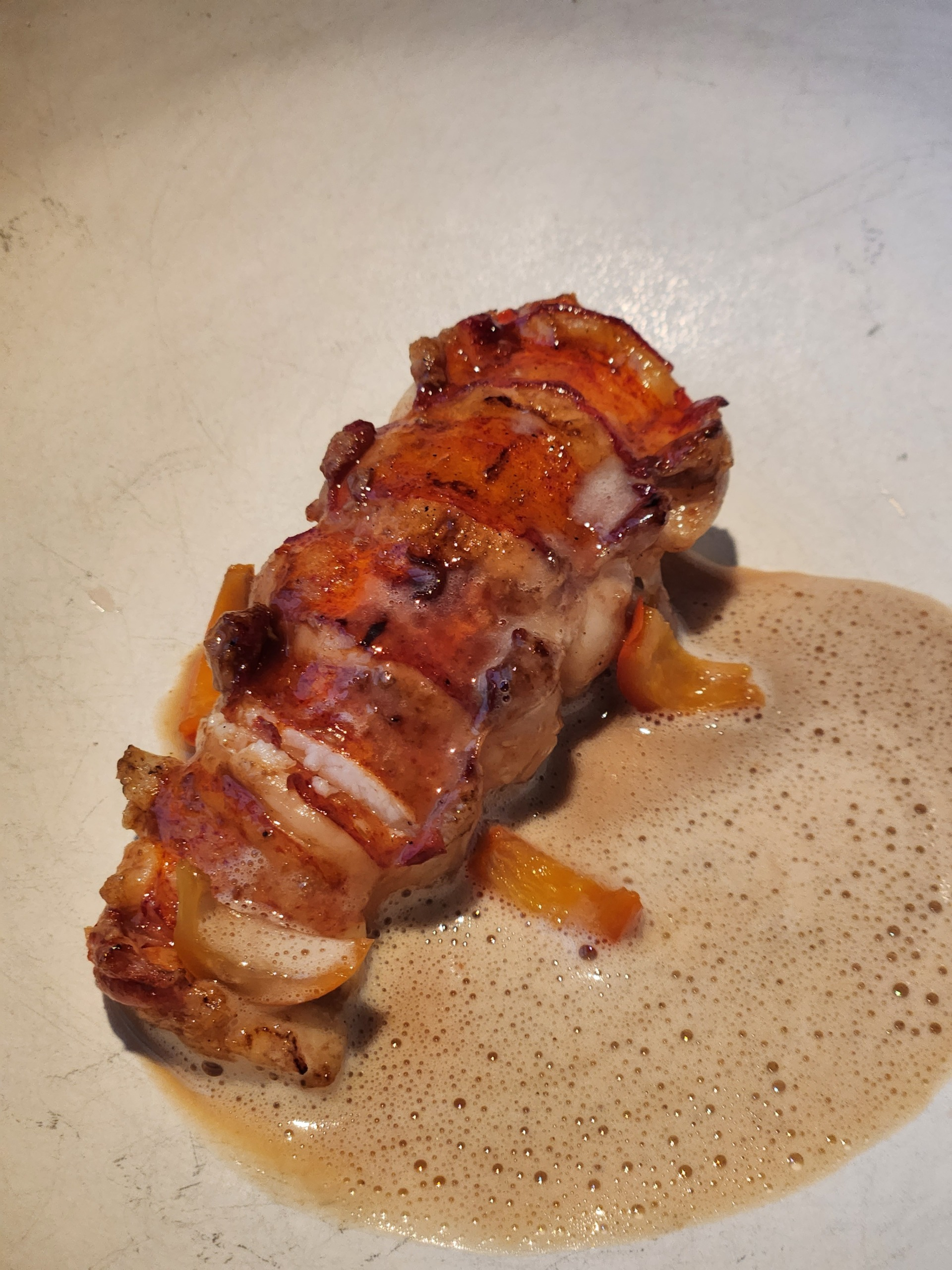
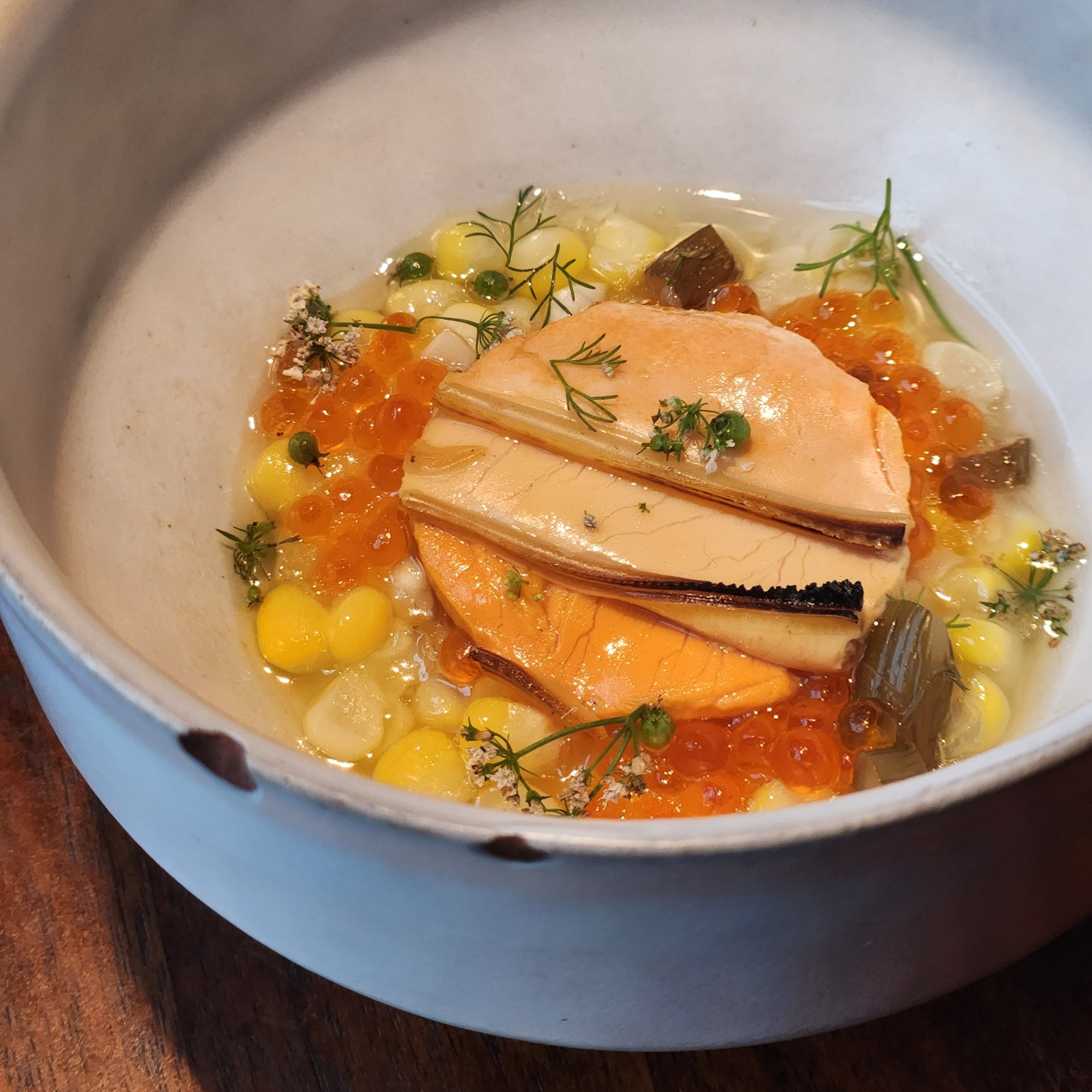
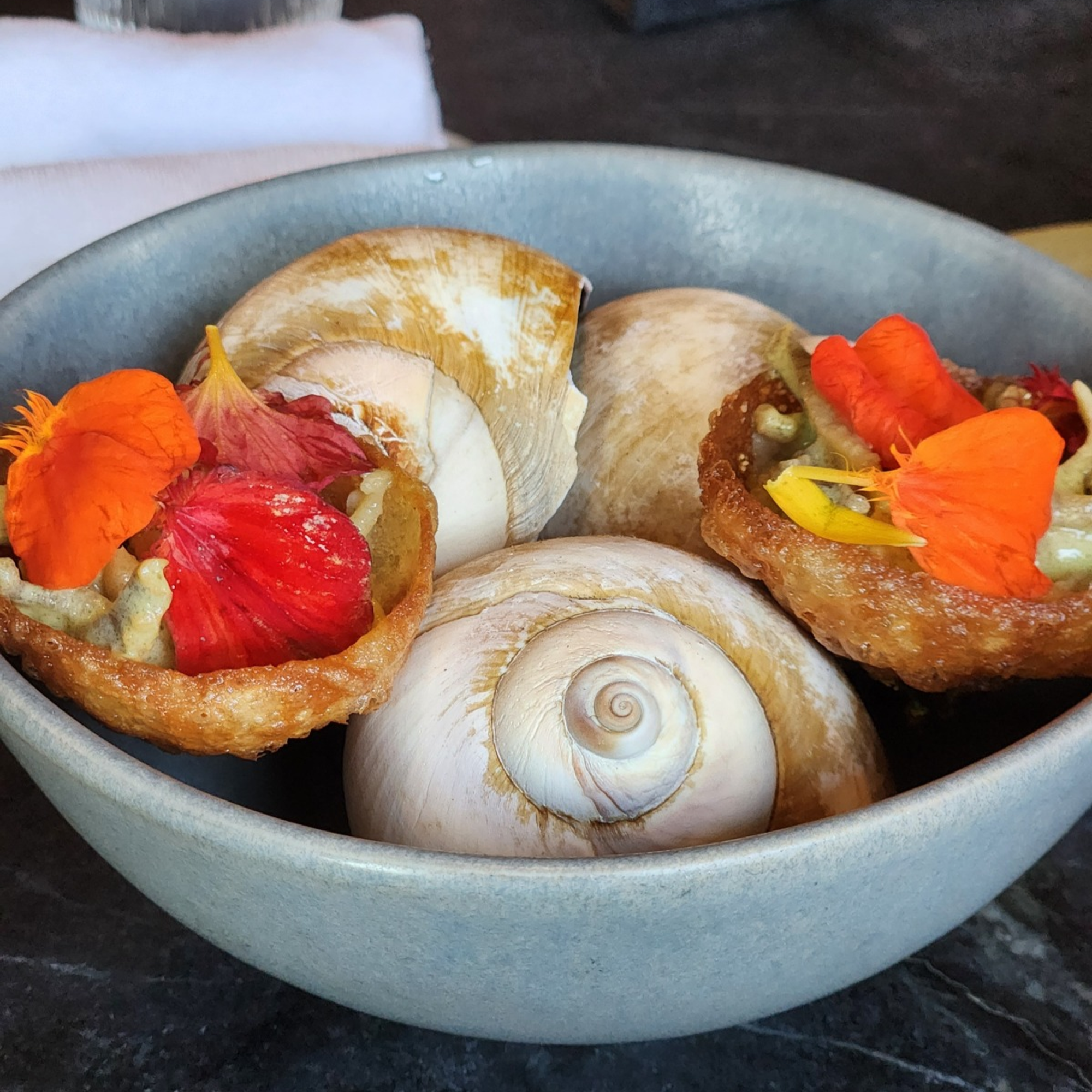
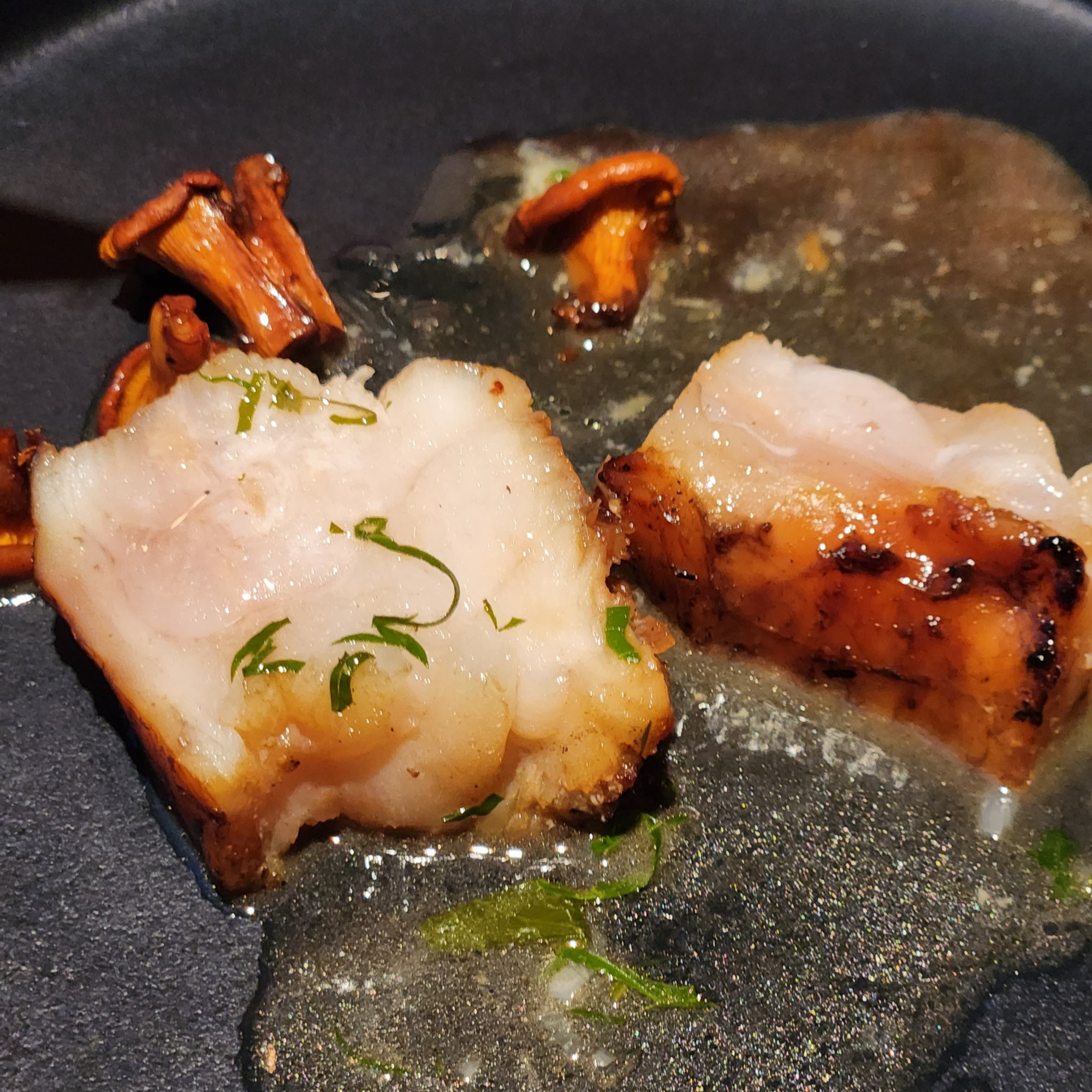
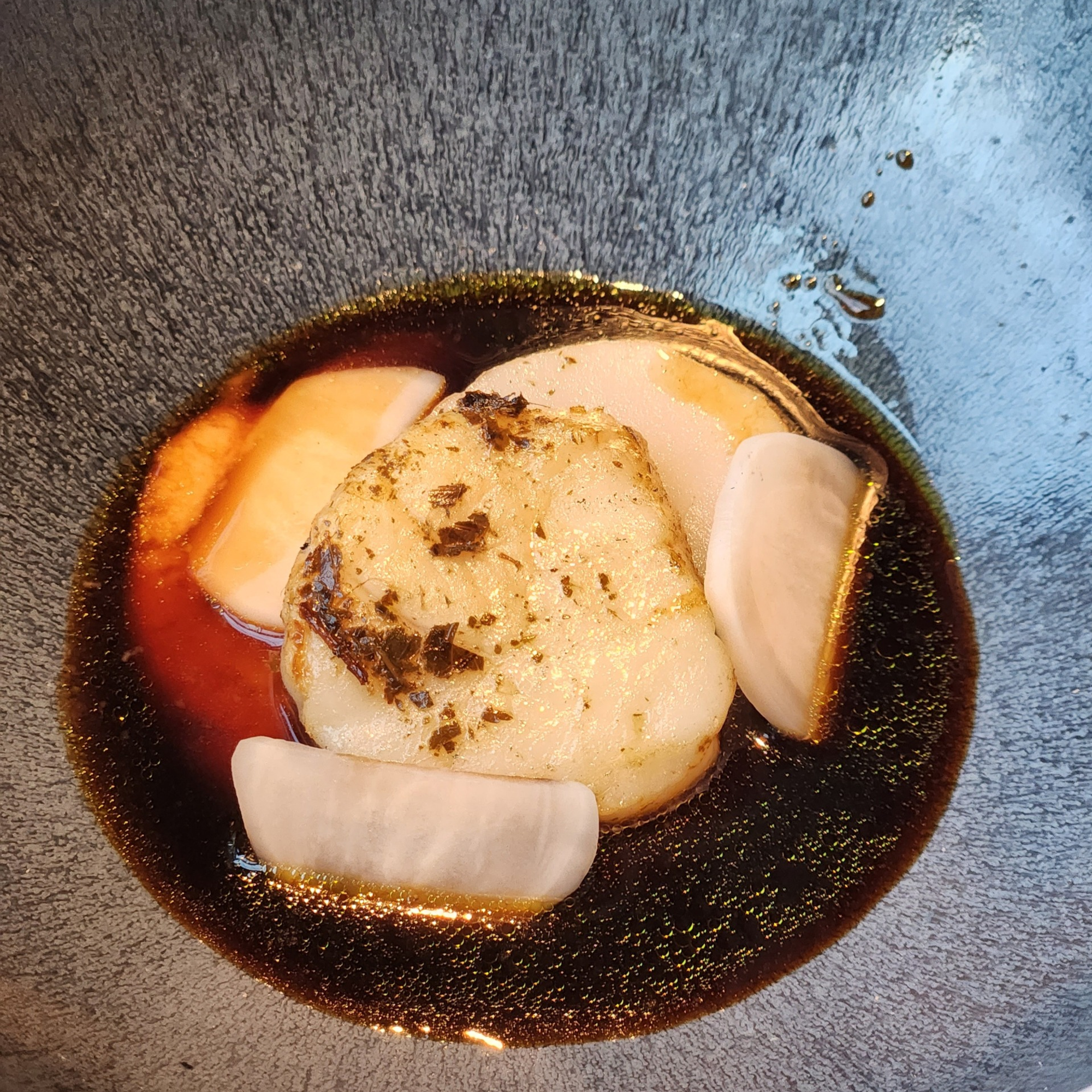
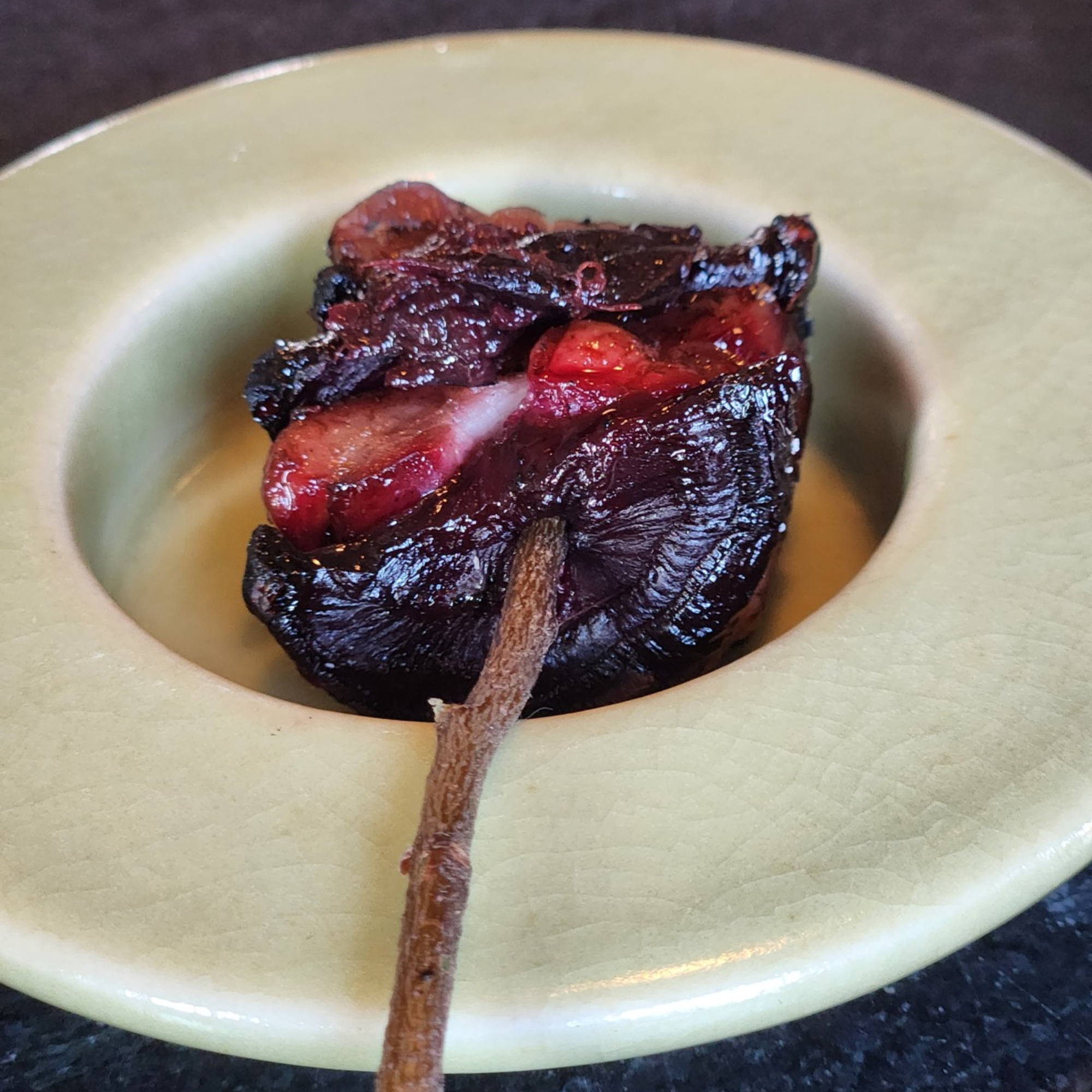
Cooking well for strangers is an act of care and hospitality. Chefs meticulously prepare wonderful experiences for people they don't know and don't need to know. Painting can be deeply personal—at times so sticky with sentimentality that viewers struggle to find their place in it or a place for it in their lives. Great fine dining, however, walks a tightrope between being meaningful and considerate while remaining inclusive of the diner's experience. It manages to be both sentimental and special. When my Italian grandmother presents you with food from her culture, you're tasting something precious to her. She feels validated when you enjoy and remember it. It's humble and beautiful, reminding me not to take myself too seriously.
At Elda, they incorporate native vegetables, plants, lichens, and sea creatures from Maine's coast. The love that goes into collecting and foraging for these meals is remarkable.
As I reflect on my painting, I did not need more reference. I needed a clearer standard for what ‘finished’ should feel like. Fine dining became that standard for me here, because the best meals do something I want this painting to do: they are precise without being cold, generous without being overcrowded, and memorable without asking the guest to understand the chef’s entire inner life.
August 28, 2023
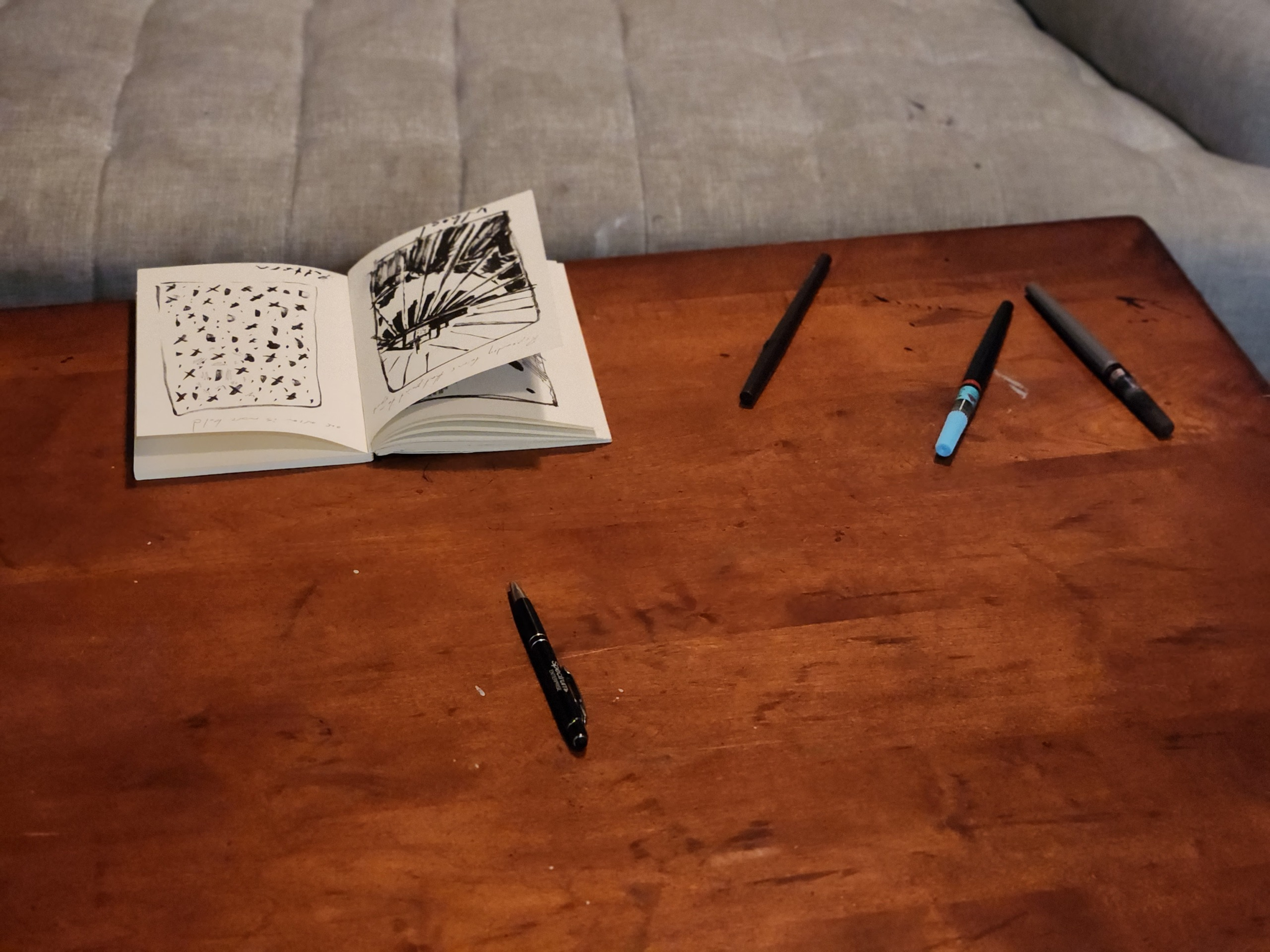
I've been staring at and sketching possible compositions, rotating the painting horizontally and vertically several times to keep my options open for either orientation.
I keep asking myself, "What do I want?" You can't control how viewers will feel when they look at your painting, but you can use visual cues and angles to guide their eye movement. If you want the eye to rest on a specific area, you can suggest that through organized compositional elements.
In this place, there's so much noise and intensity that it paradoxically creates a sense of calm. How do I make my forms dance like this? How do I capture that interplay of chaos and serenity?
What's at stake here is the material itself—the inherent cost of oil paint. Mistakes are expensive, so I need to be deliberate.
At some point the planning has to turn back into paint. I stopped trying to solve the whole image in my head and went back to the material, one relationship at a time.
September 16, 2023
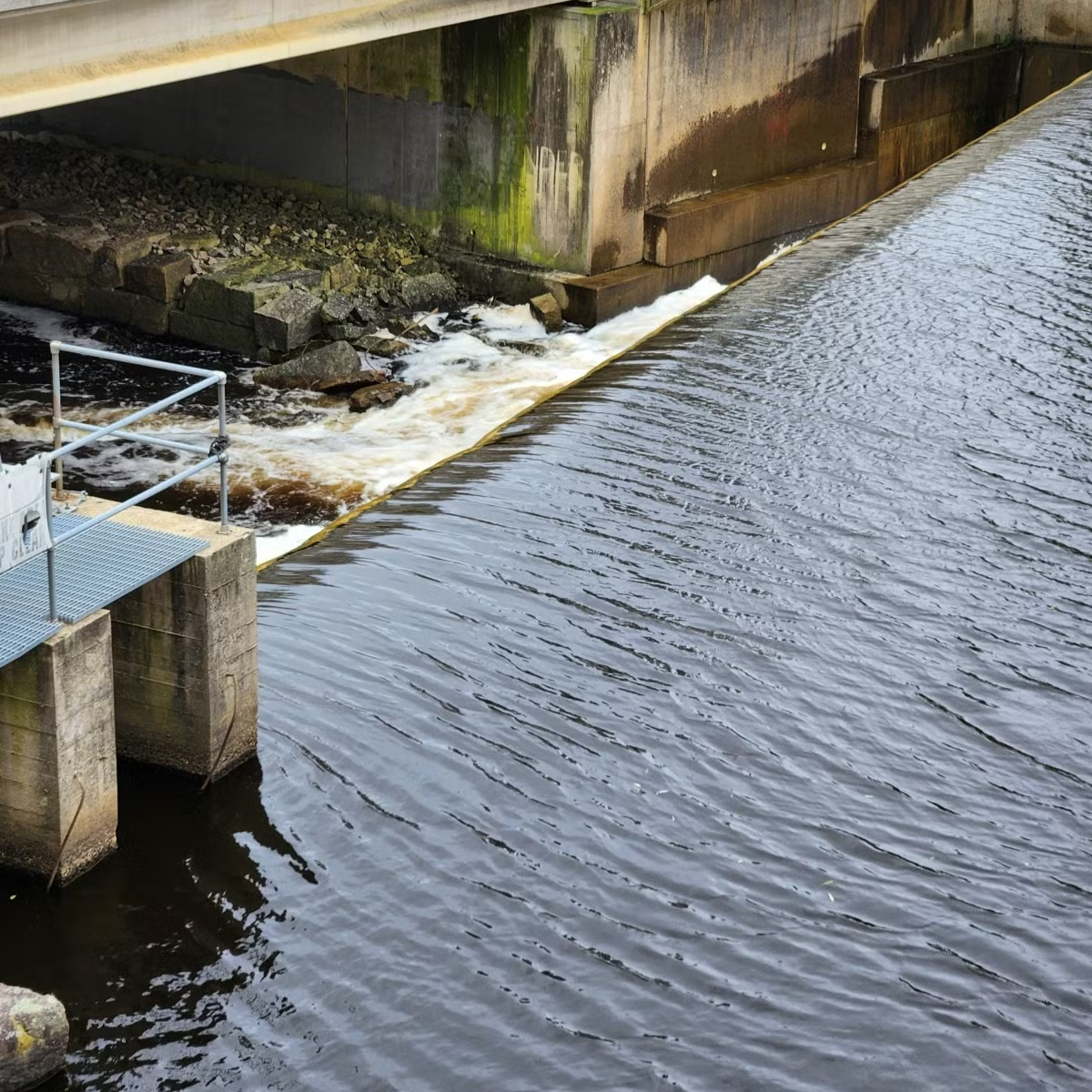
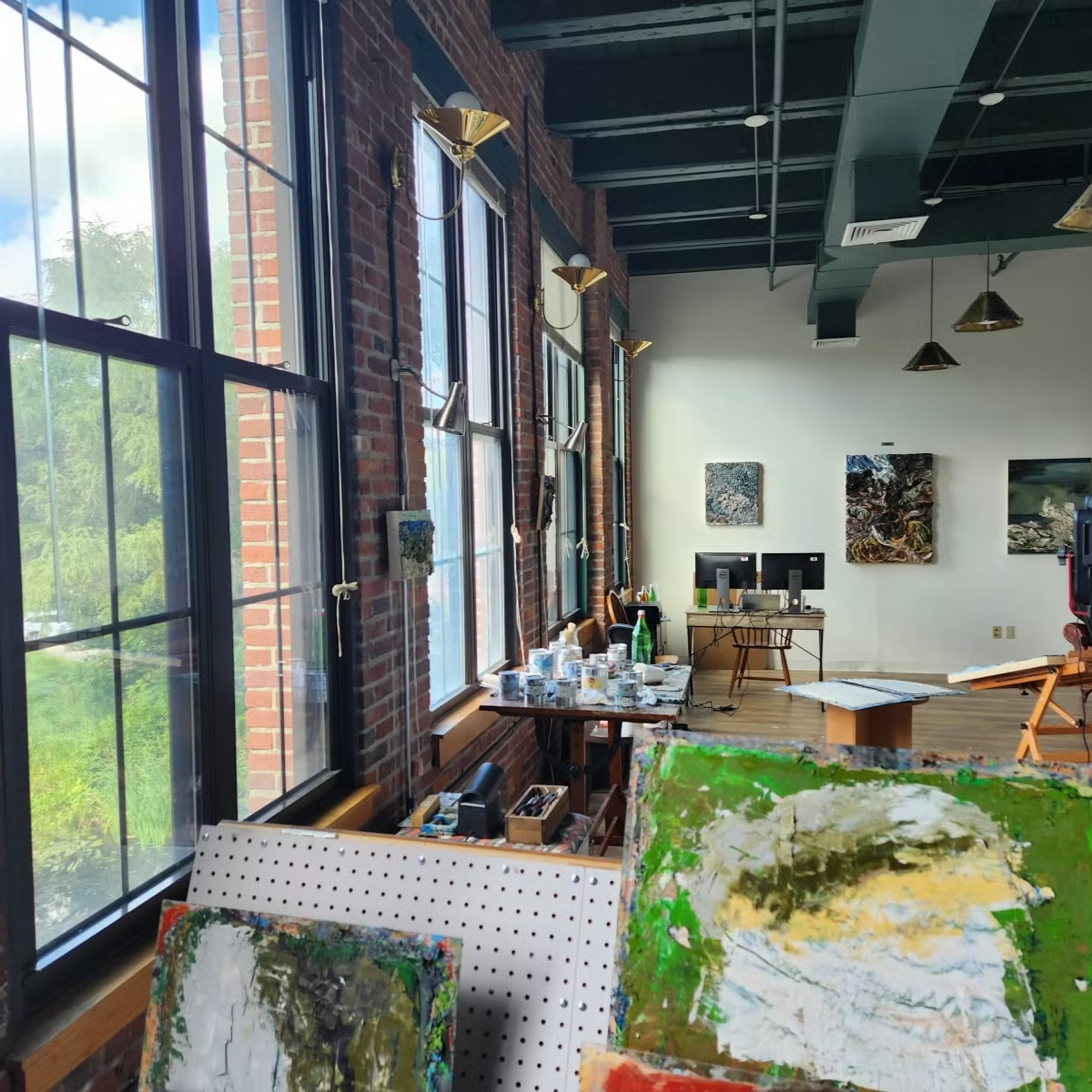
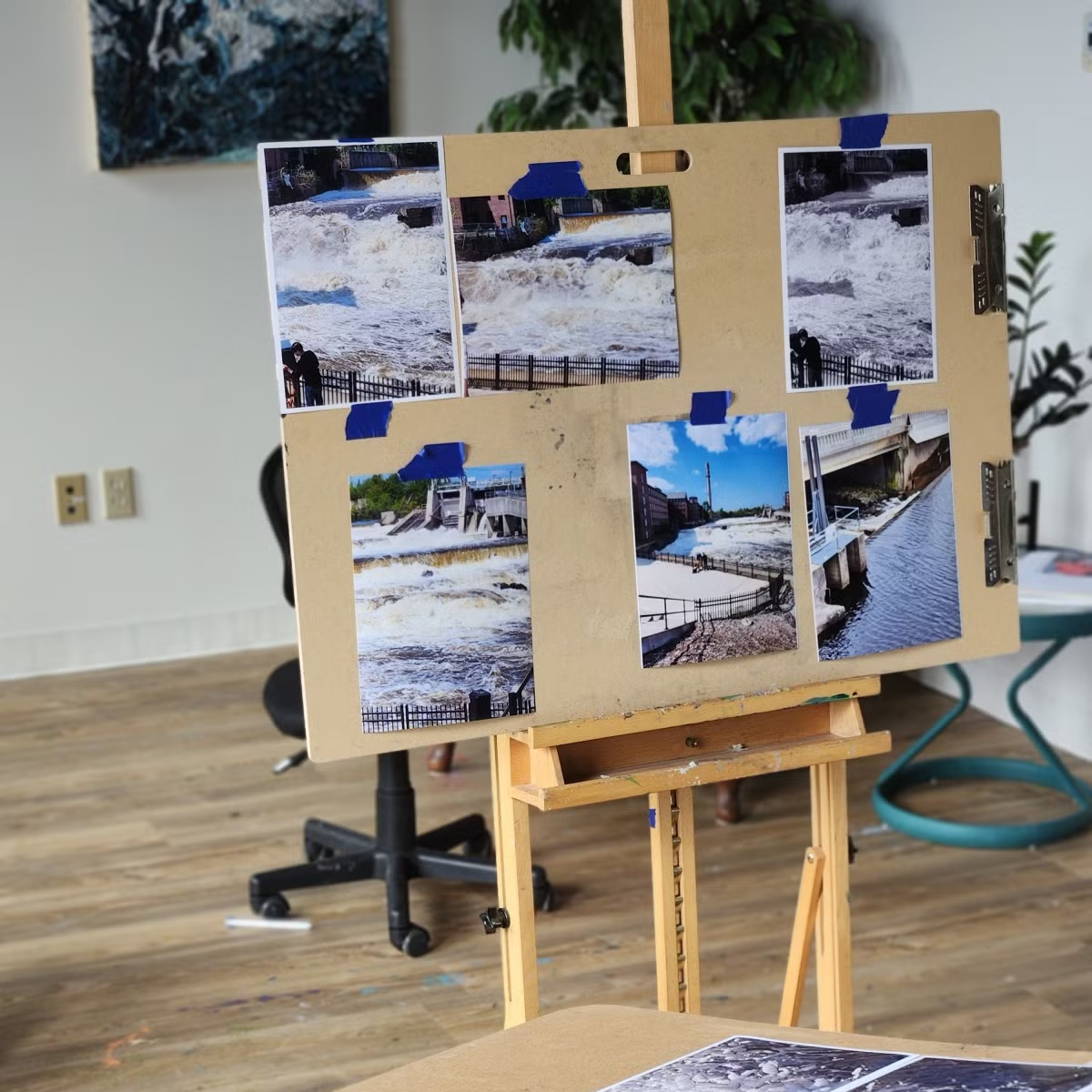
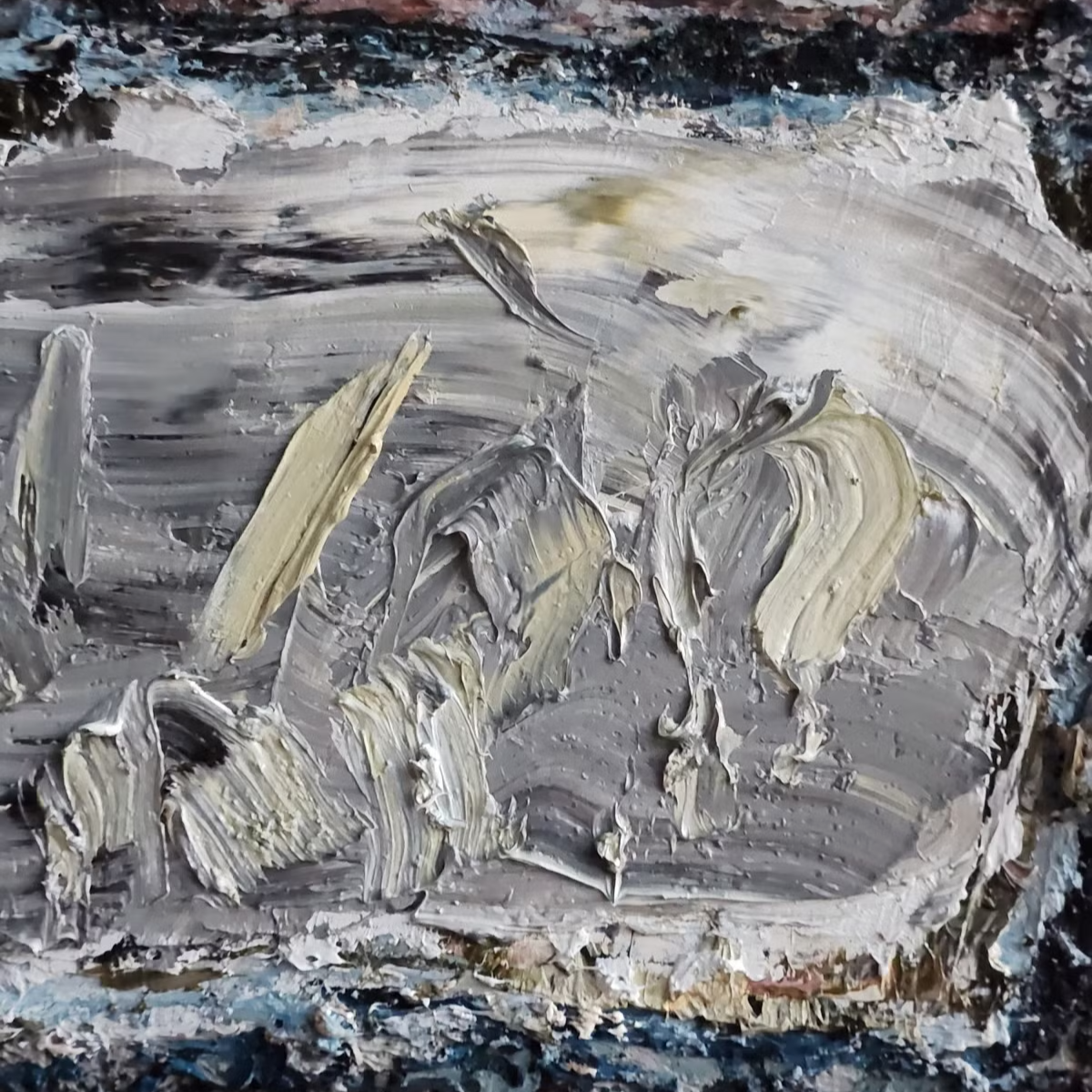
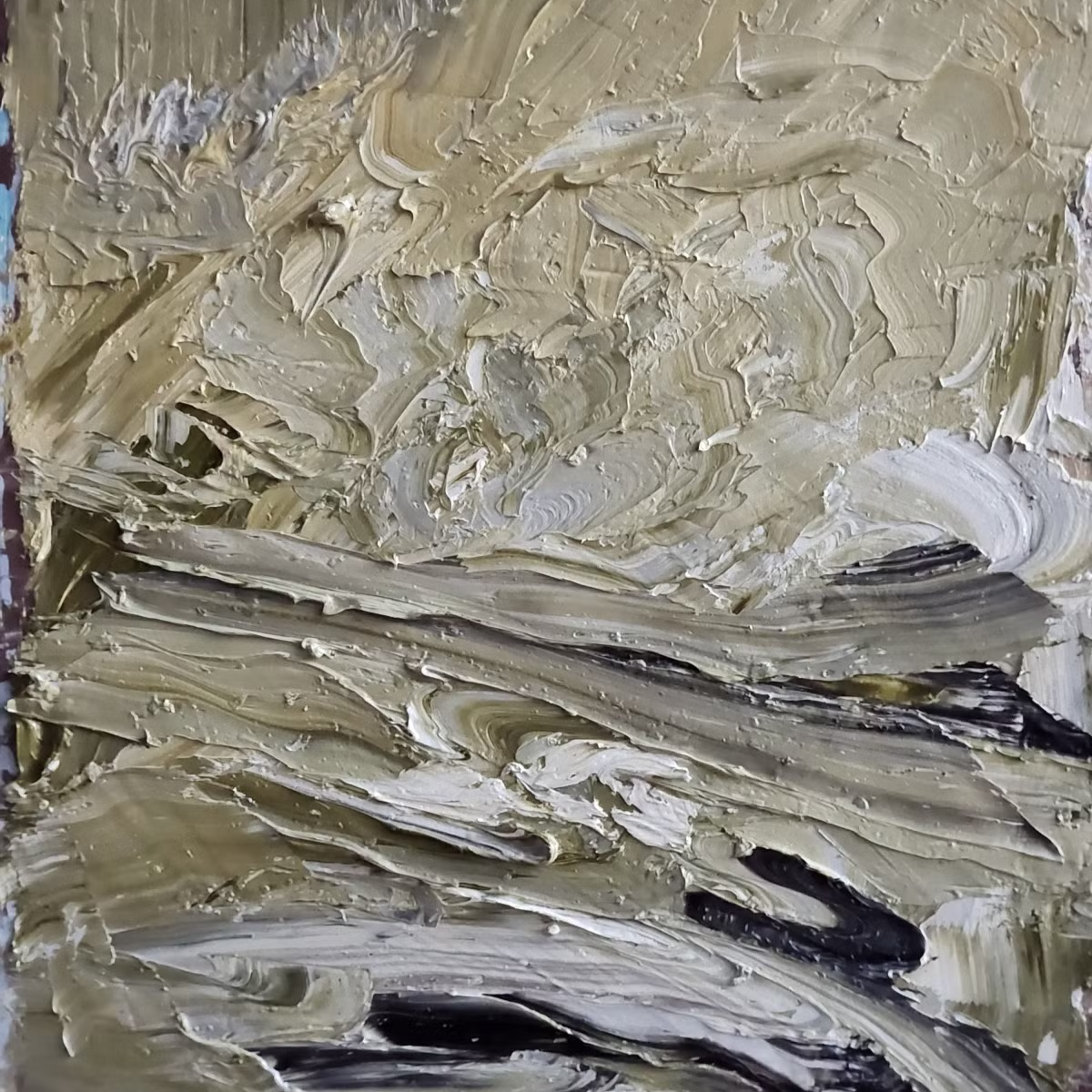
After a month of studying, staring, and calculating, I found myself mesmerized by the falling water foaming outside my studio window this morning. I glanced across the room and decided to print out all my photos and references.
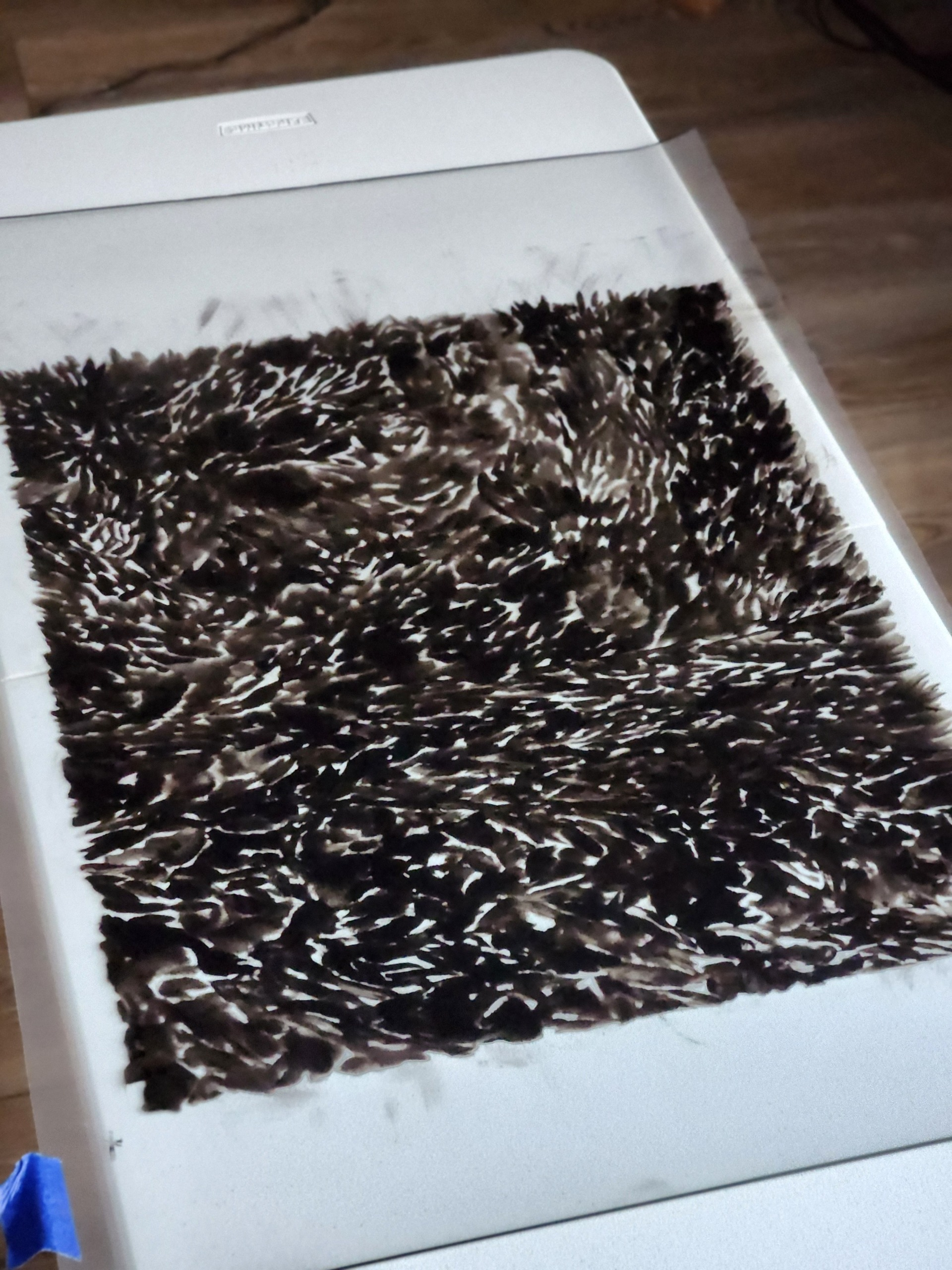
As I continued to watch the patterns and flow of the water, I began painting some of the wild shapes with an energetic hand. I'm searching for very subtle relationships. At this stage, I'm confident in my color choices and the relationships I've established. It's just me and the materials in these studies—exploring what they can do.
September 20, 2023
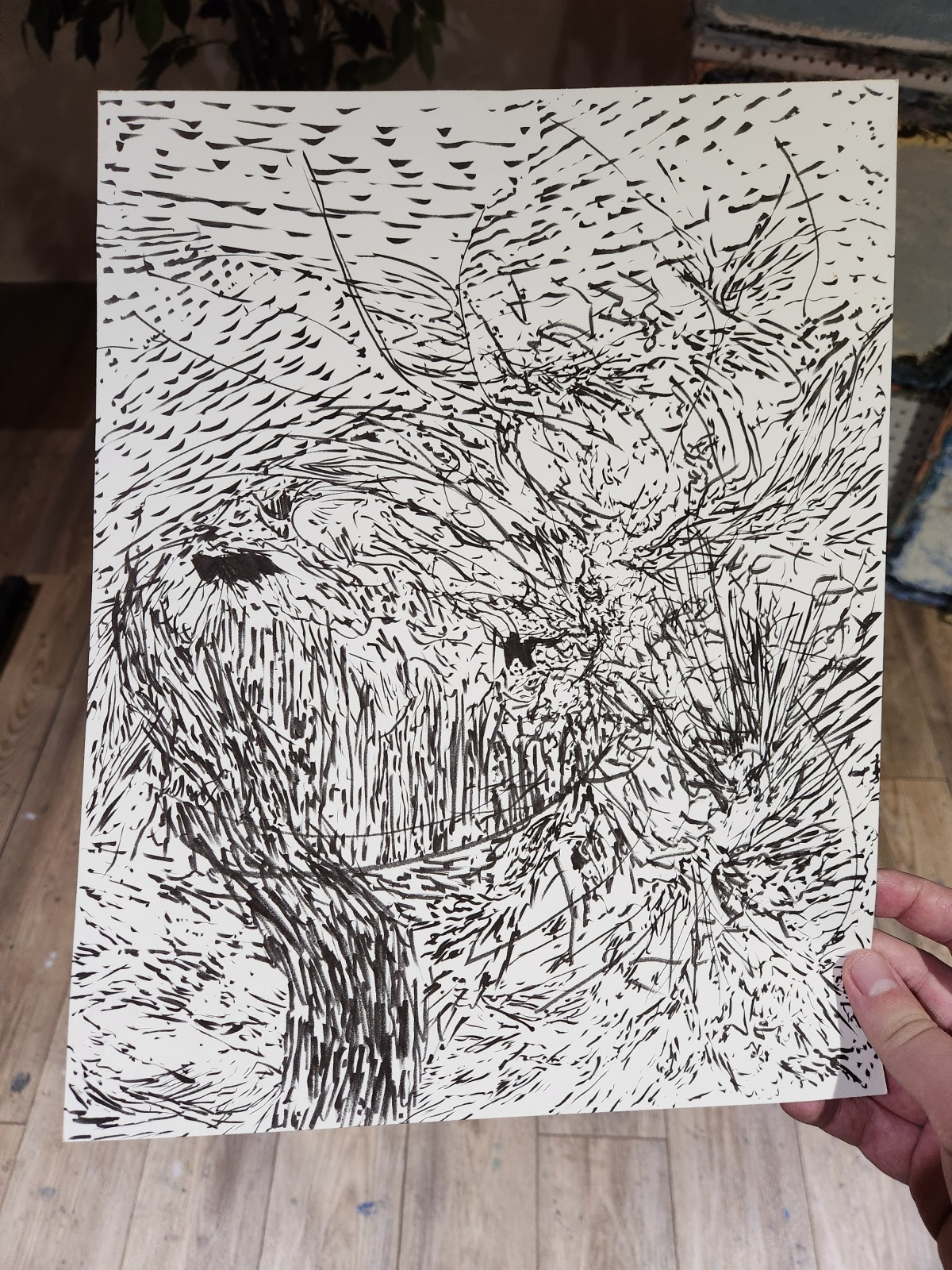
While the studies are drying to their perfect texture, I sketch a few architectural drawings before diving into painting. For me, these sketches break free from traditional light and shadow rendering rules. Instead, each dash and mark represents a form.
Essentially, I take areas of interest from my studies and steal them—the result is a sculpted form transplanted to the final surface. These forms need to be calculated and considered, kind of like a piece in a mosaic. But unlike a traditional mosaic where each tile is a carefully measured shard, these forms have character.
These drawings are the architecture of how the forms move. They help me identify the size of each form before I steal and sculpt it.
To help visualize this process, I play music by Charles Mingus—usually "Moanin'." I ask visitors to follow a particular instrument or group with their mind's eye. You'll notice a kind of weaving—sounds fading and coming forward, shifting in volume and prominence. This is how I think about my painting, how I think about the world, and how I feel in moments of being overwhelmed with life.
If just listening to or sharing Moanin was enough - perhaps I wouldn’t paint.
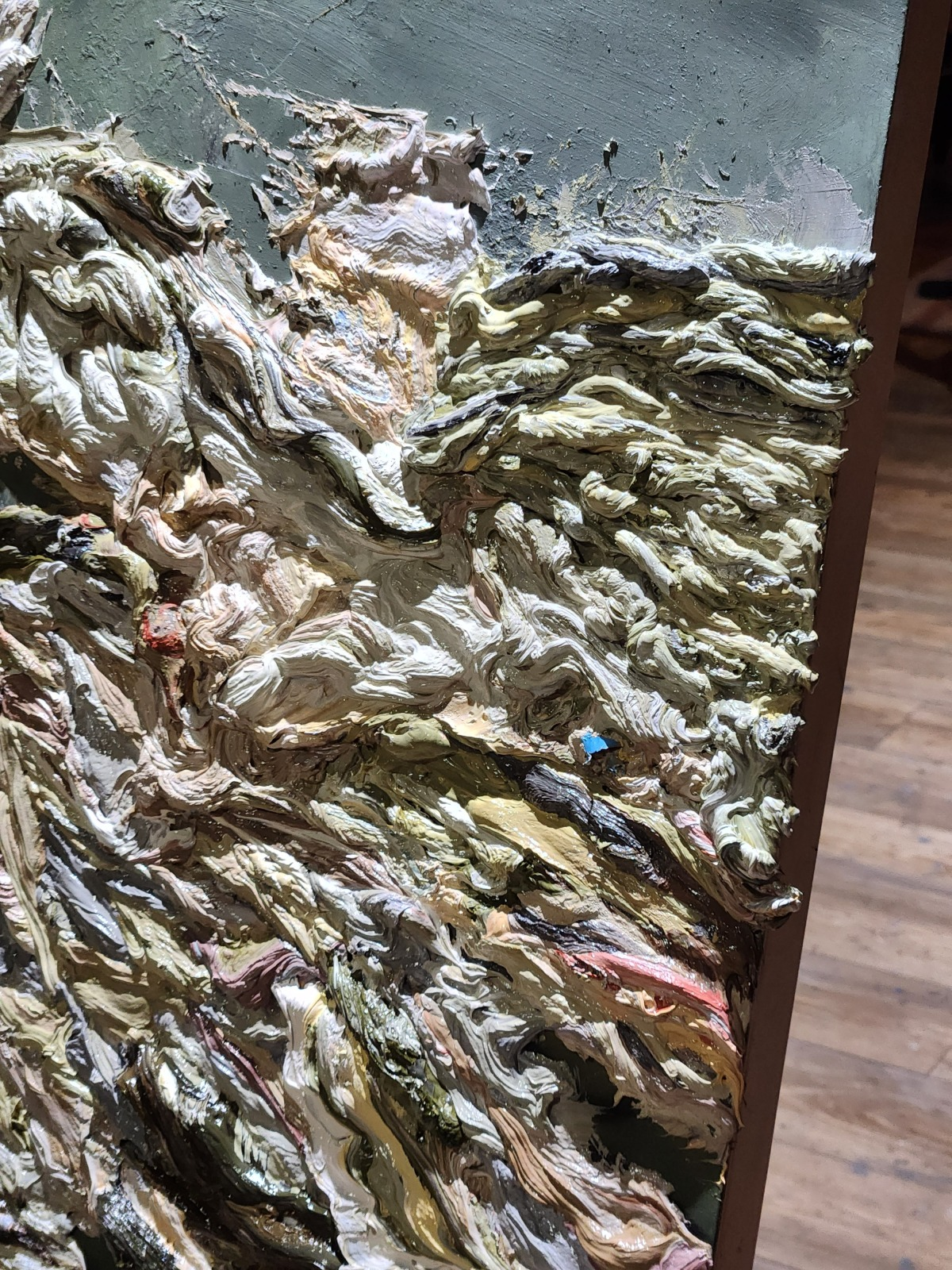
Considering the established work I've done since my last significant painting session, my goal today is to unify these elements into a cohesive whole. Once achieved, I can complete everything relationally.
September 21, 2023
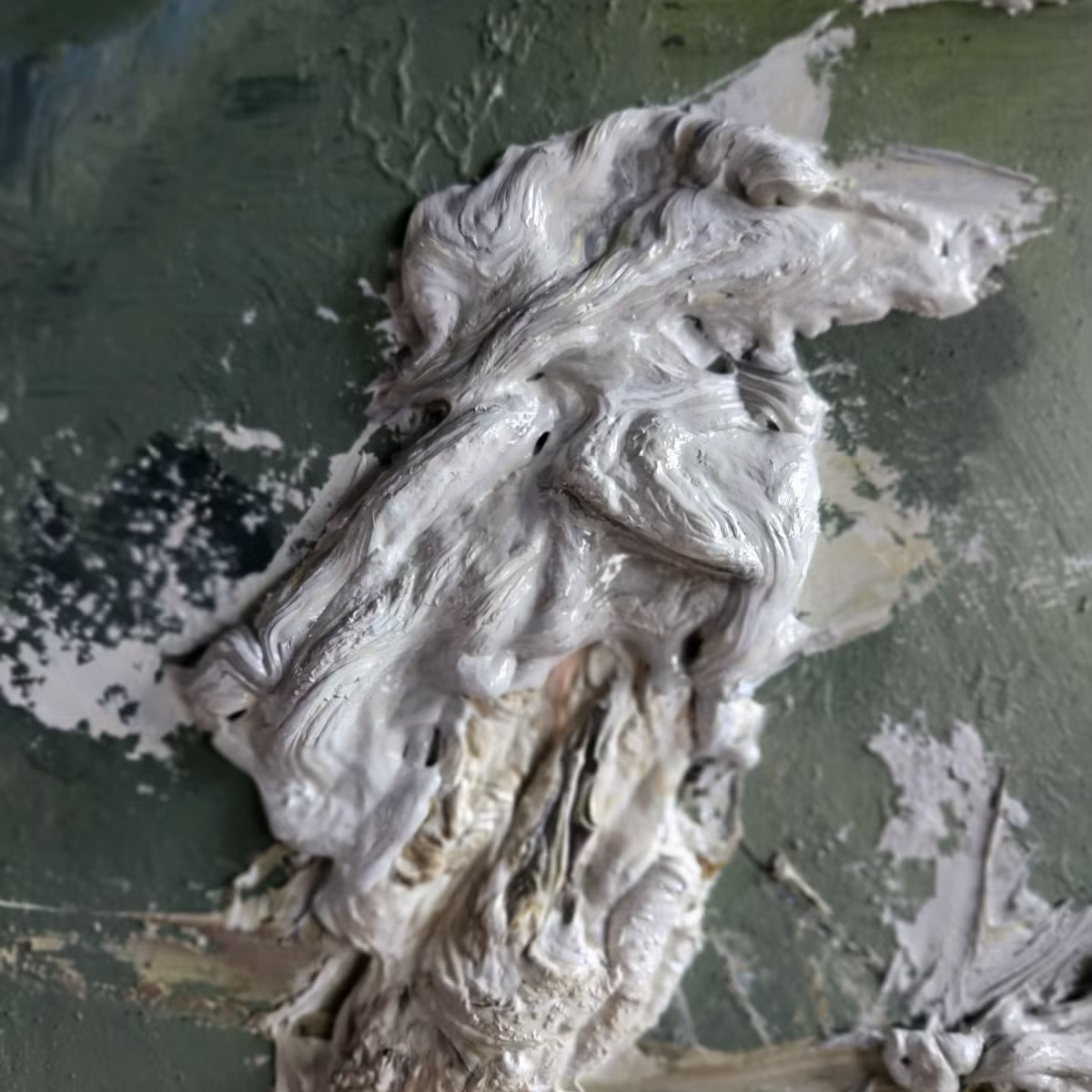
Working with the painting under brilliant direct lighting from above creates shadows that fall on the forms. These darker values create shapes, forms, and new relationships—and I need to stay aware of them. Without this awareness, random shapes or colors can appear without my knowing it. Imagine rendering the fall of water and discovering, only after shifting the lighting, that a shadow has formed what looks like a demonic face staring back. Interesting, perhaps, but I should never be the last person to notice.
To avoid these surprises, I constantly update and refine my studies and sketches as I paint. It isn't an enormous mental exercise to maintain this awareness, but I do need to remind myself occasionally to step back and run through my checklist—systematically identifying what works and what doesn't.
Again, the hardest part of painting is deciding "what I want," and sometimes the only way you can get there is by identifying and eliminating "everything I don't."
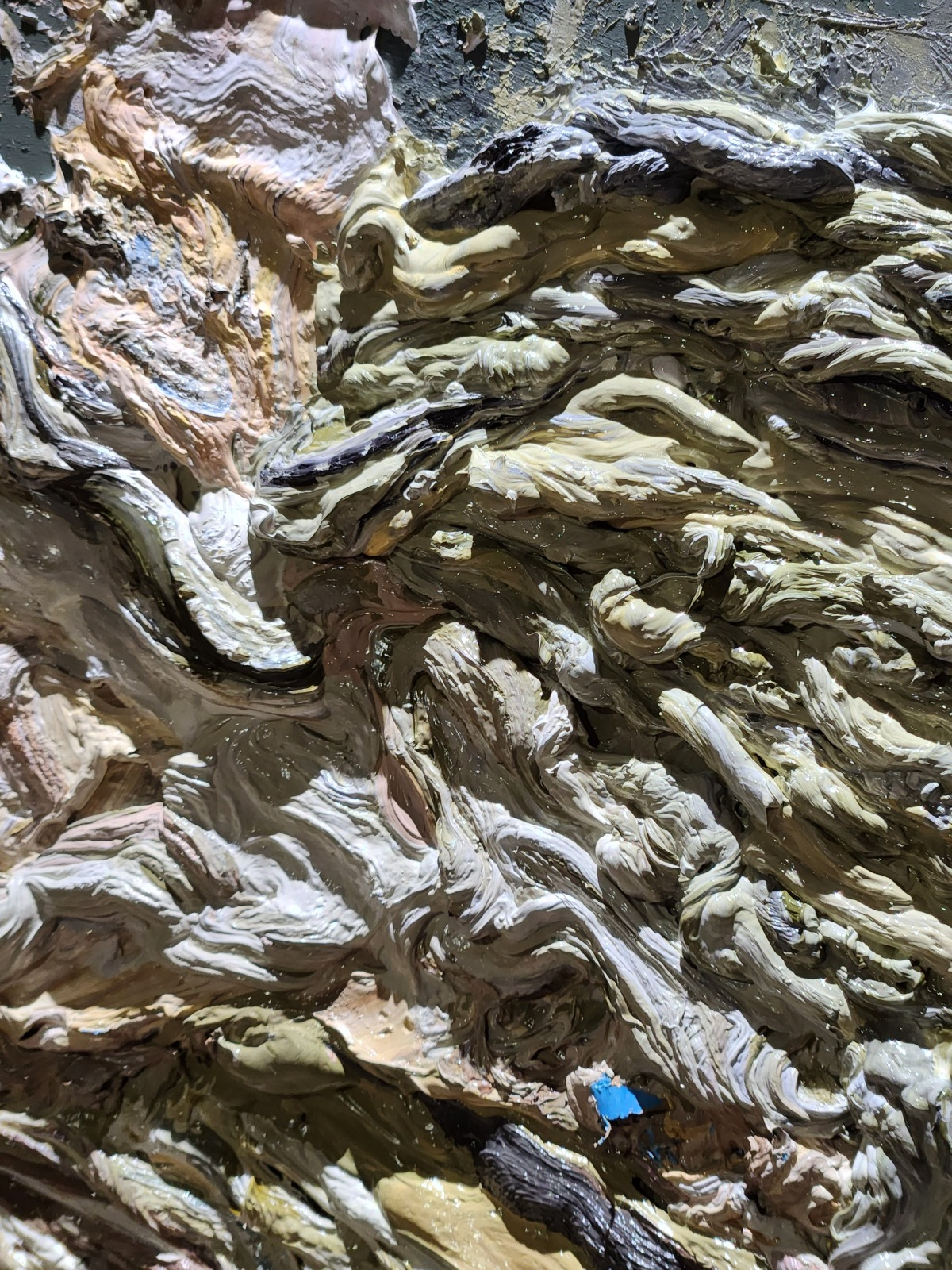
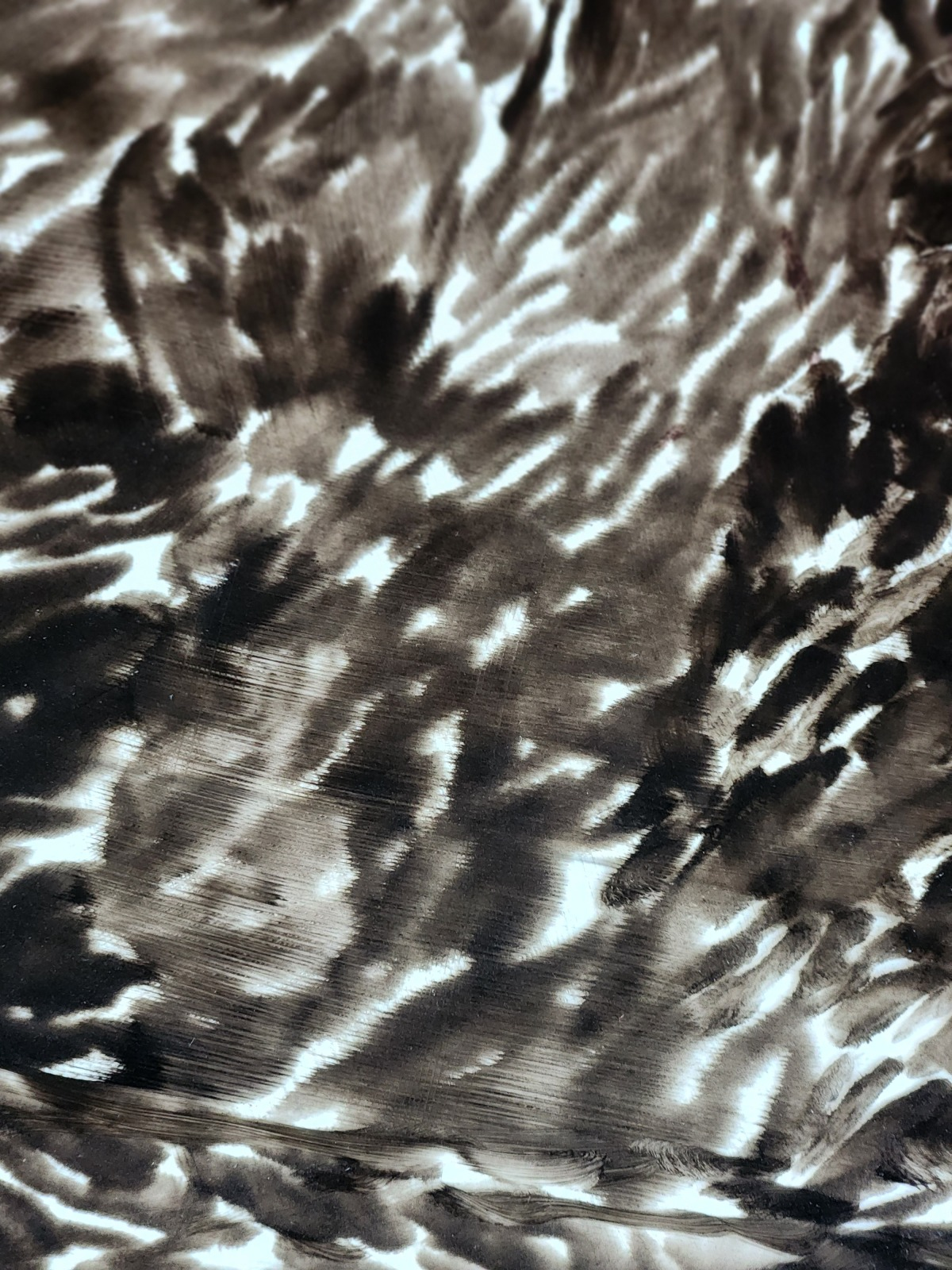
September 22, 2023
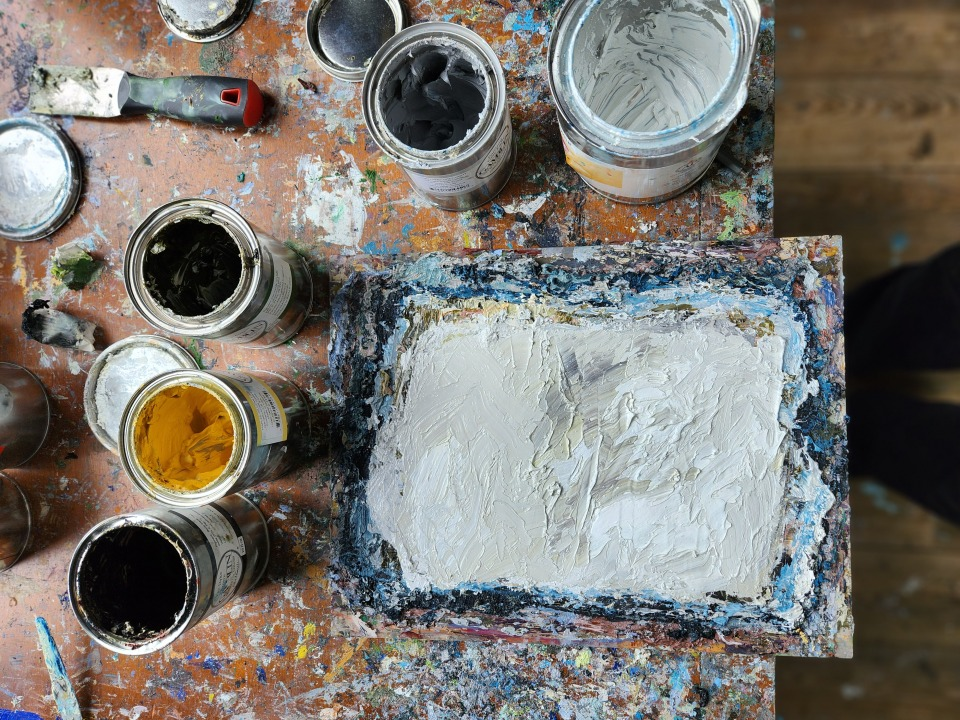
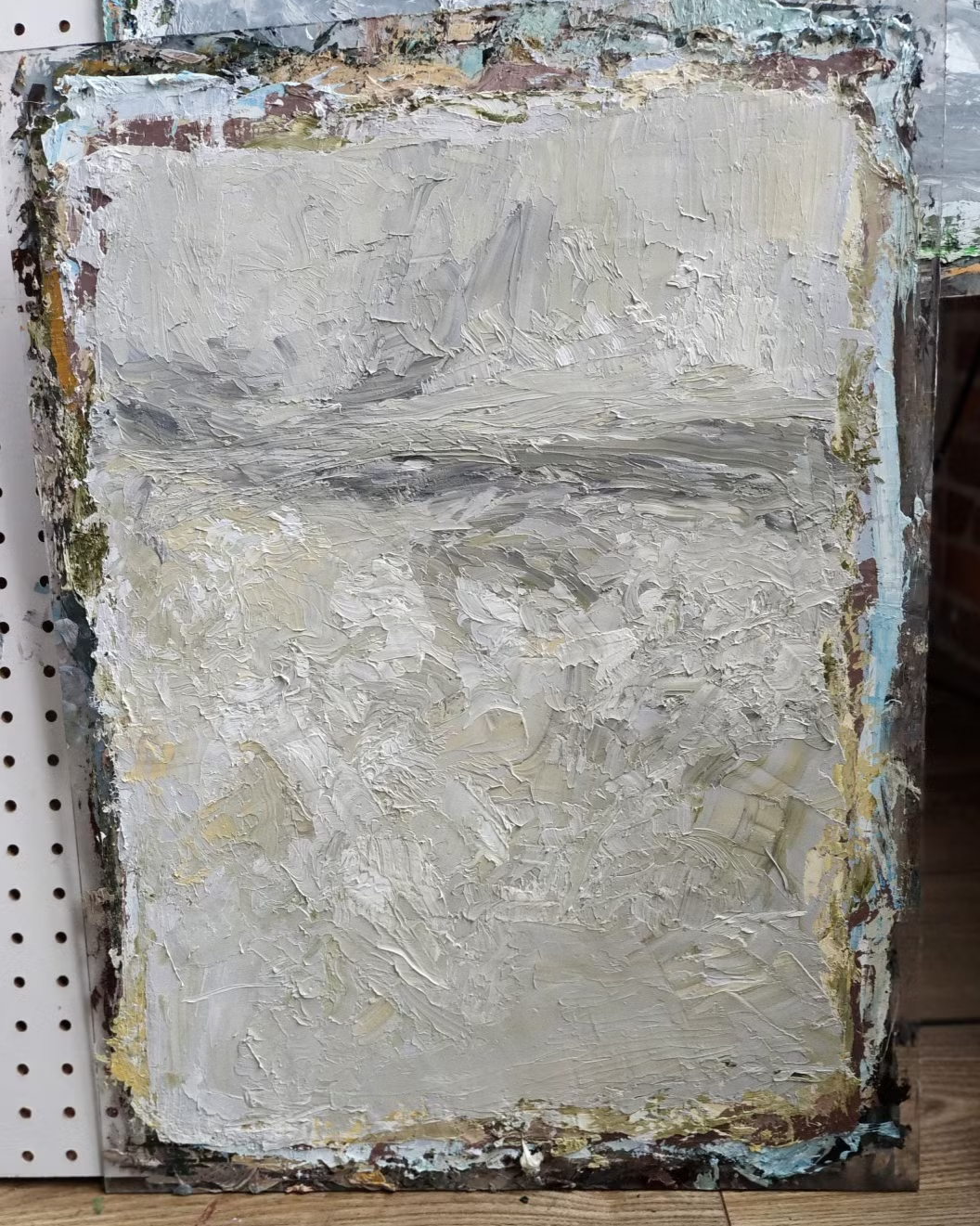
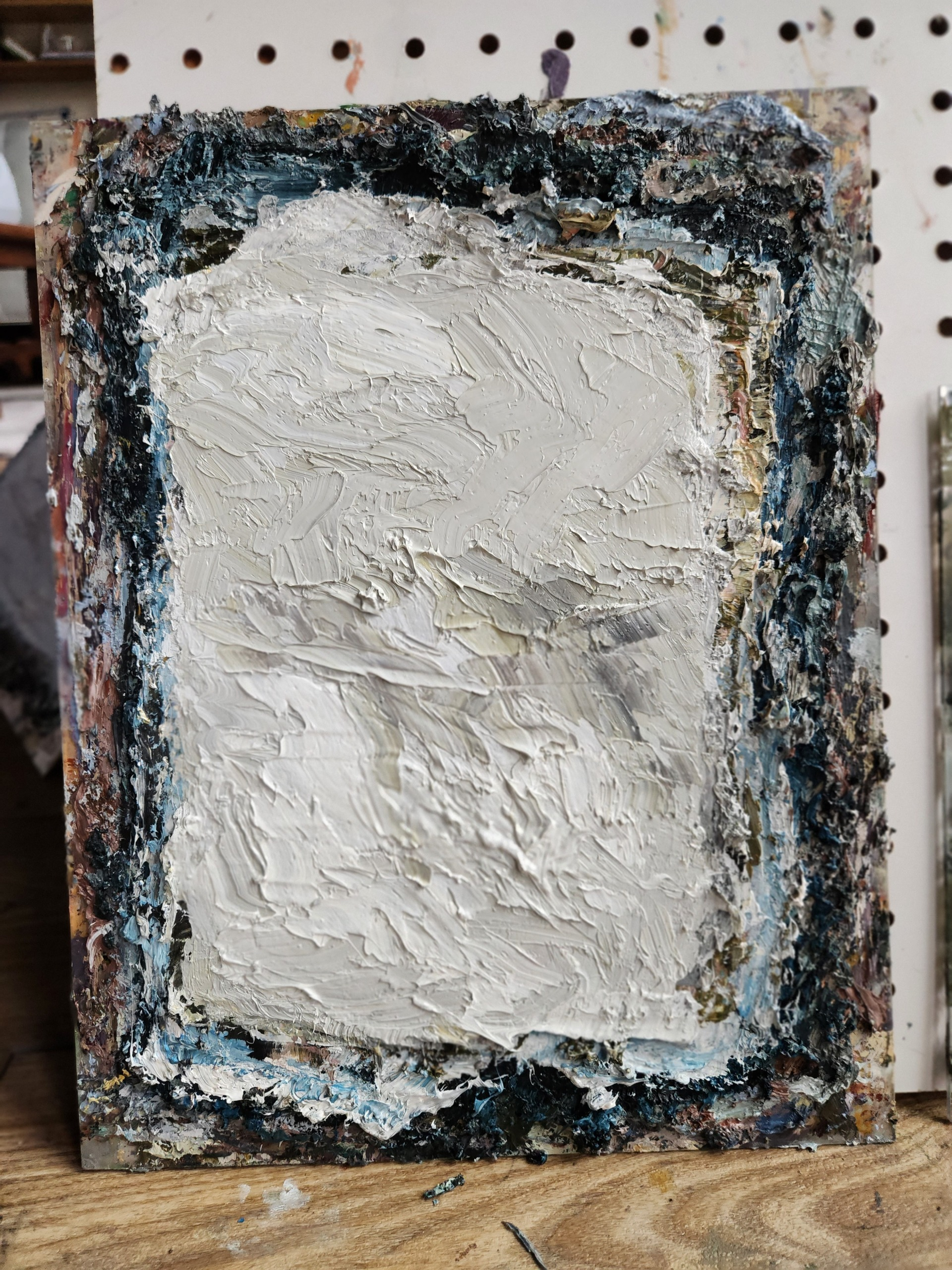
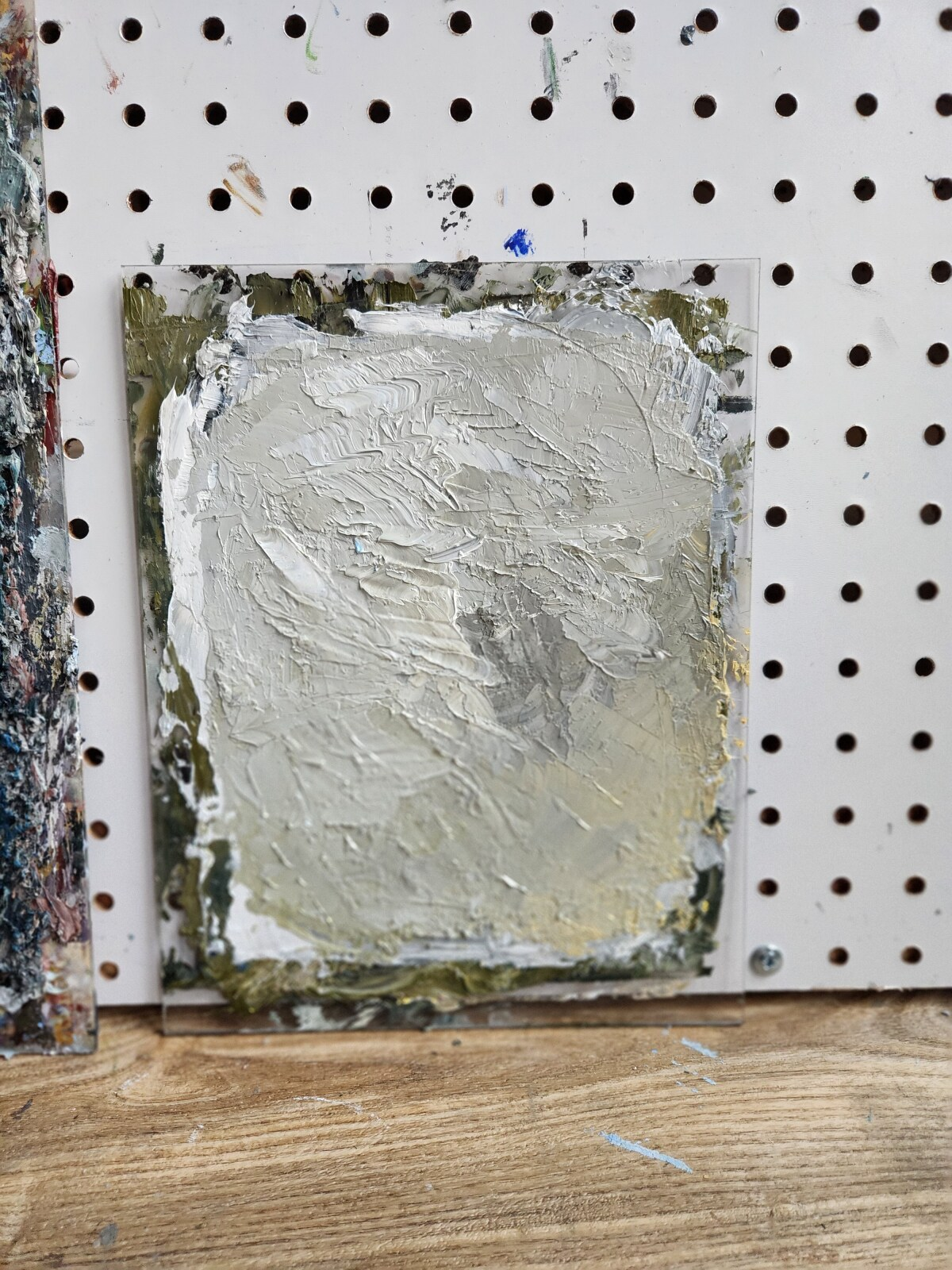
Here's a selection of panels from today's session. I'm examining the foaminess of the water, contemplating how to capture the subtle shifts in light.
September 27, 2023
Now the work was about accumulation. Form by form, the painting started to behave like water again. Not literally, but emotionally, with pressure, churn, and release.
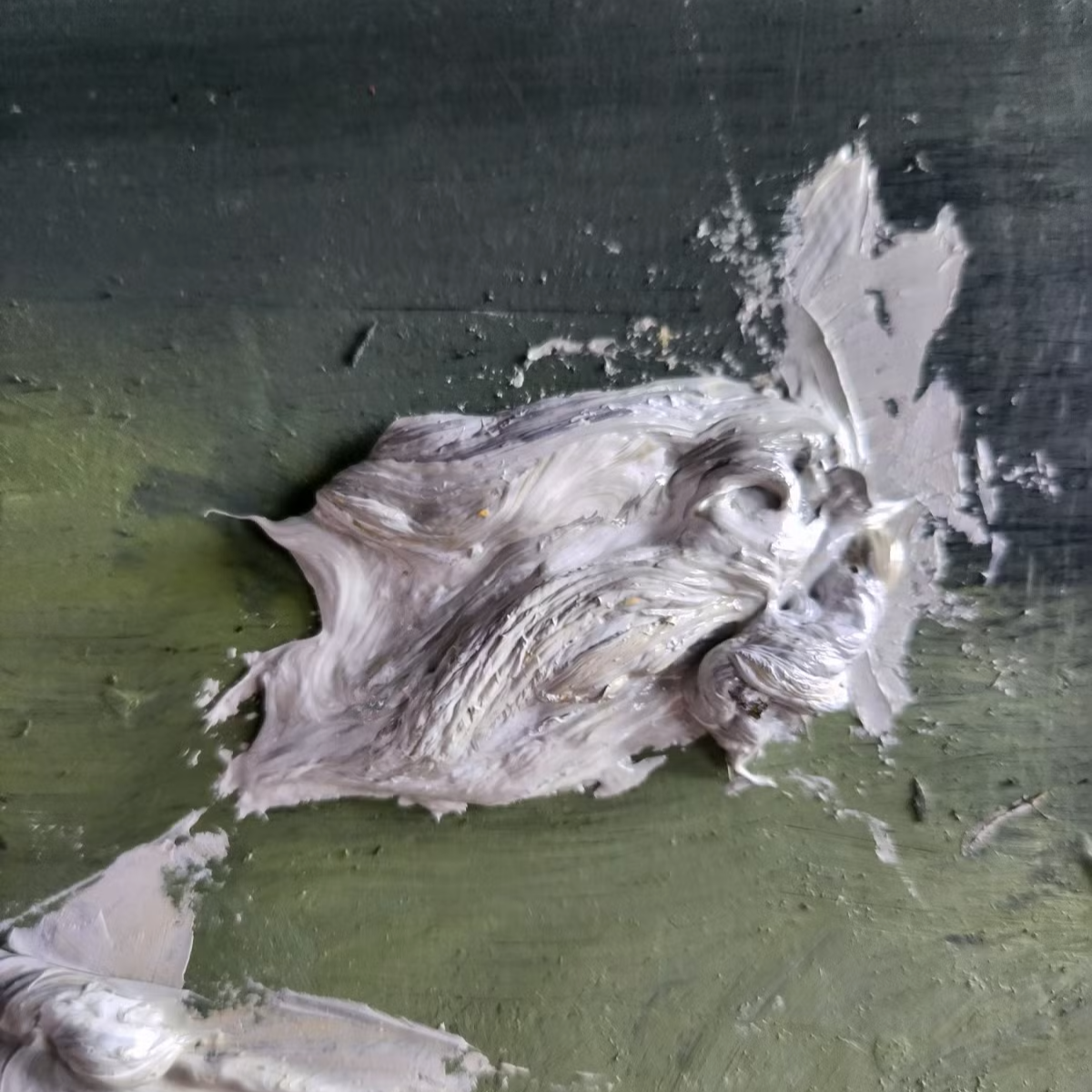
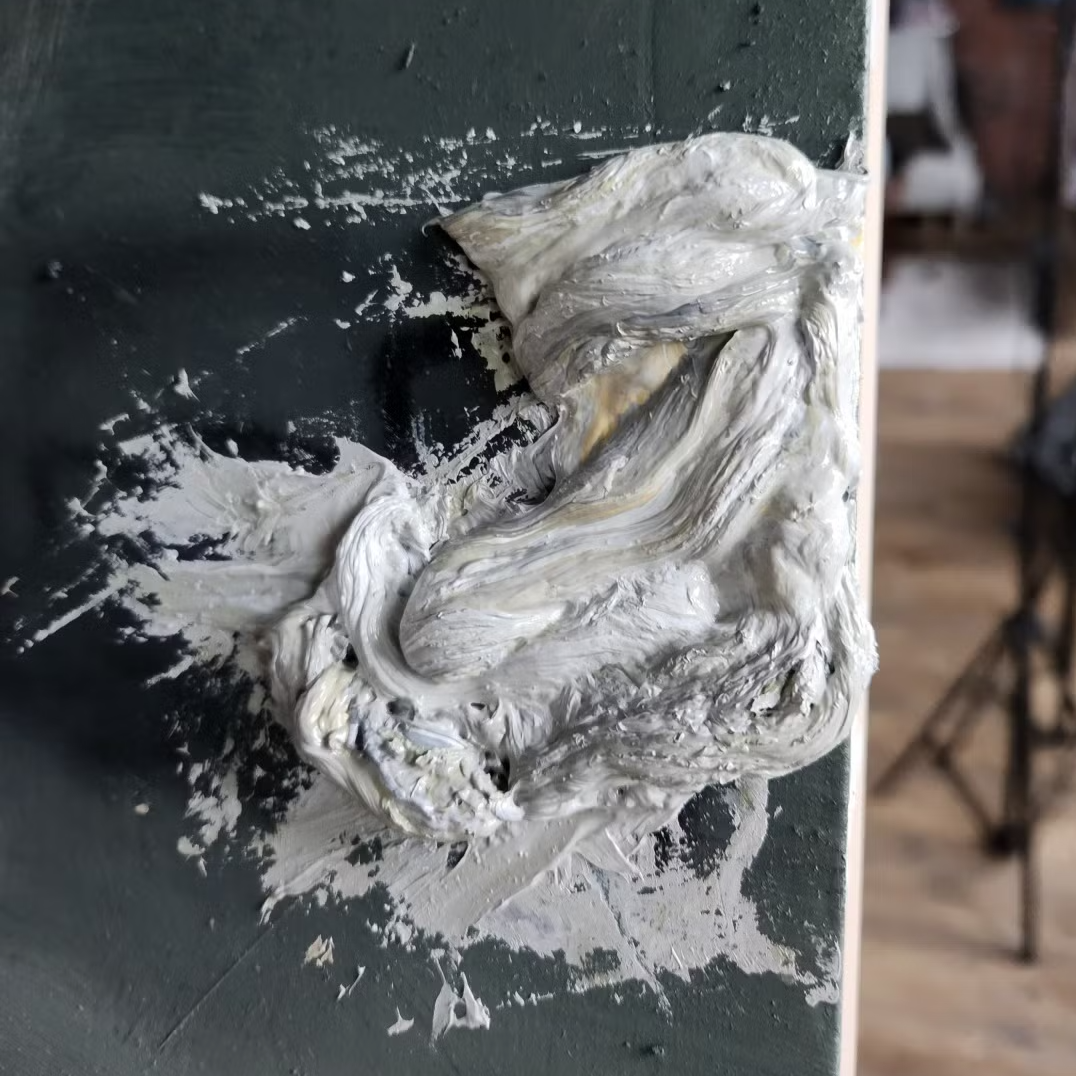
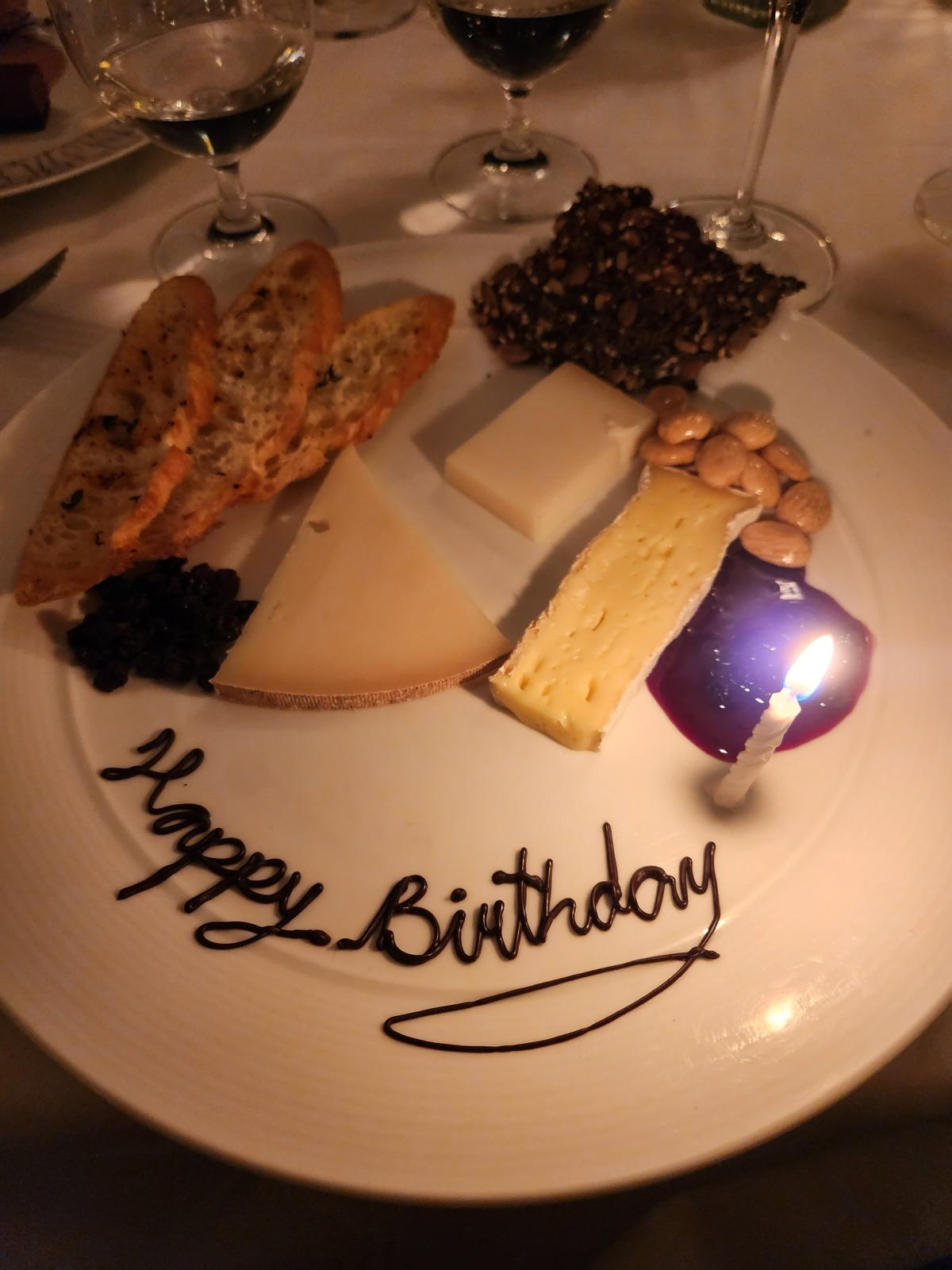
Painting on my birthday. Catherine picked me up for a lovely dinner. I'm thrilled with our progress so far.
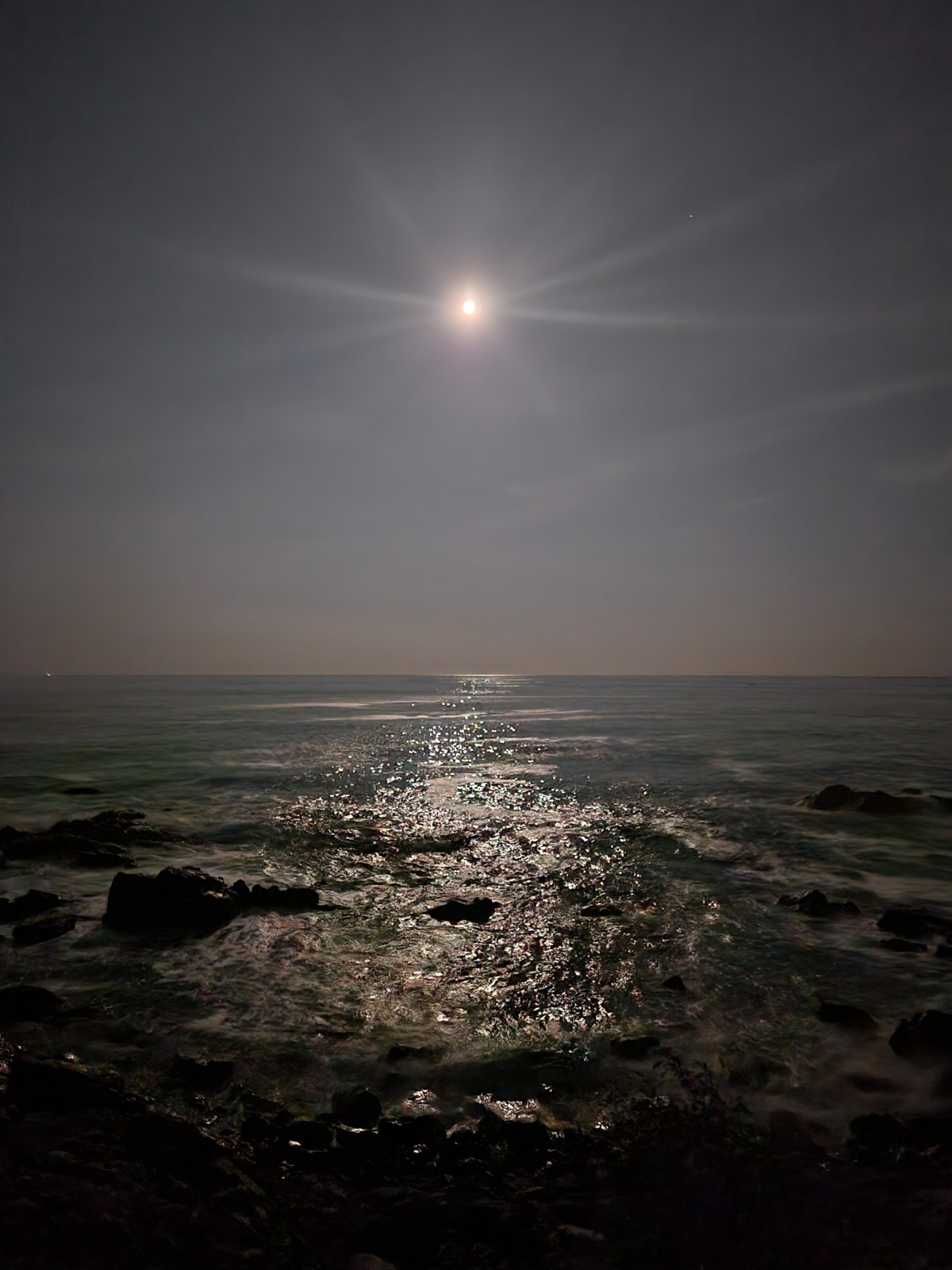
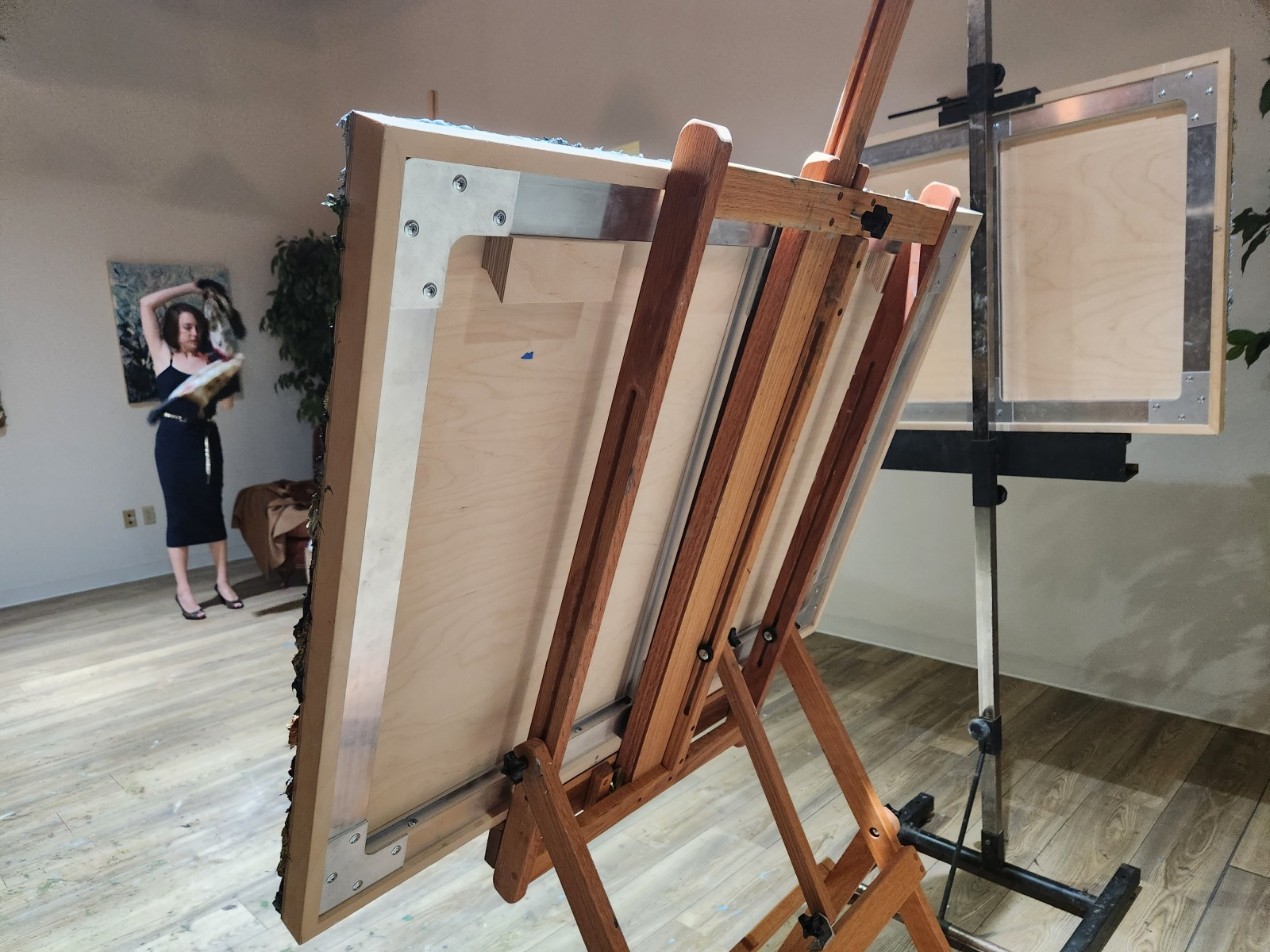
October 20, 2023
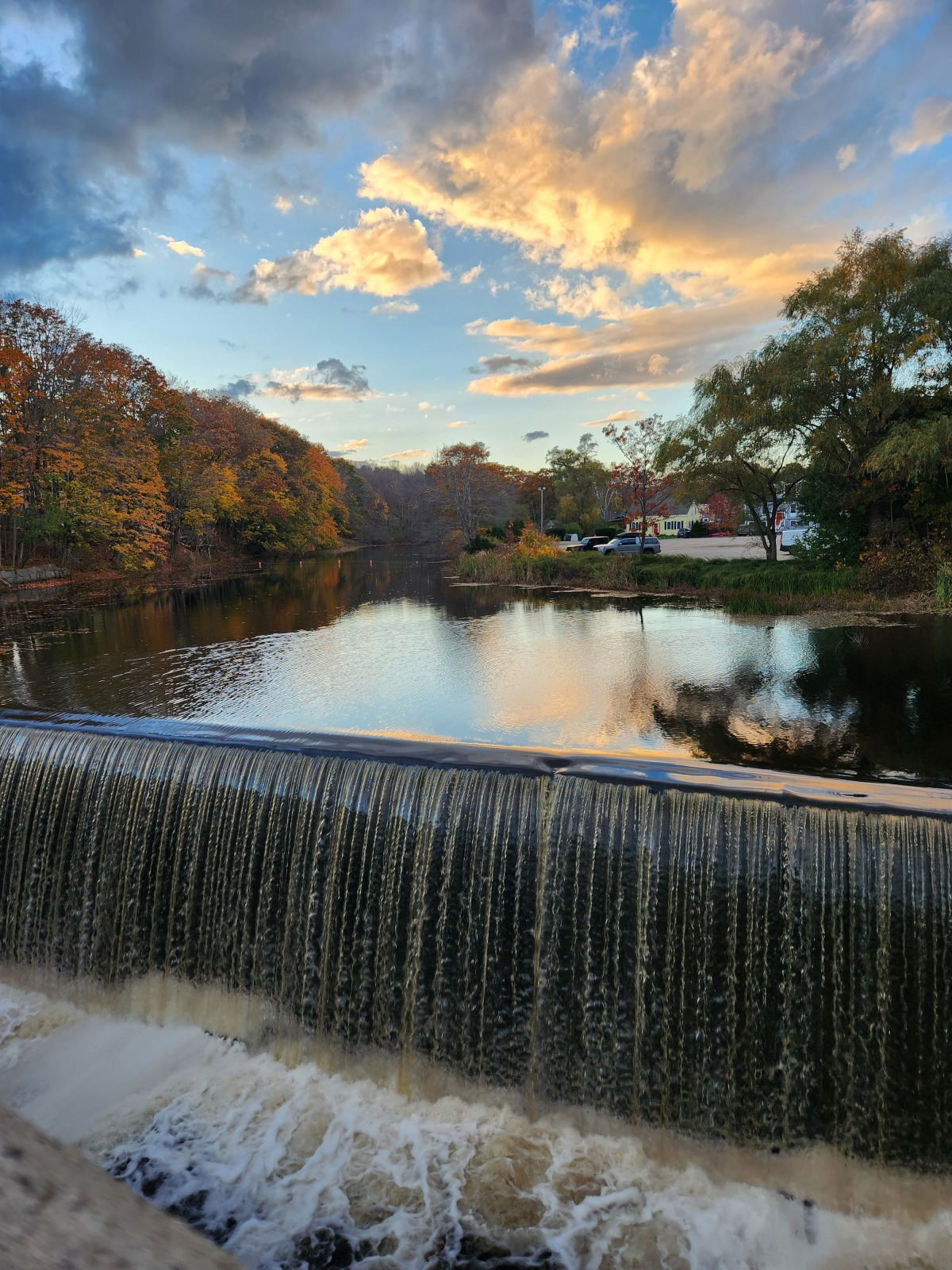
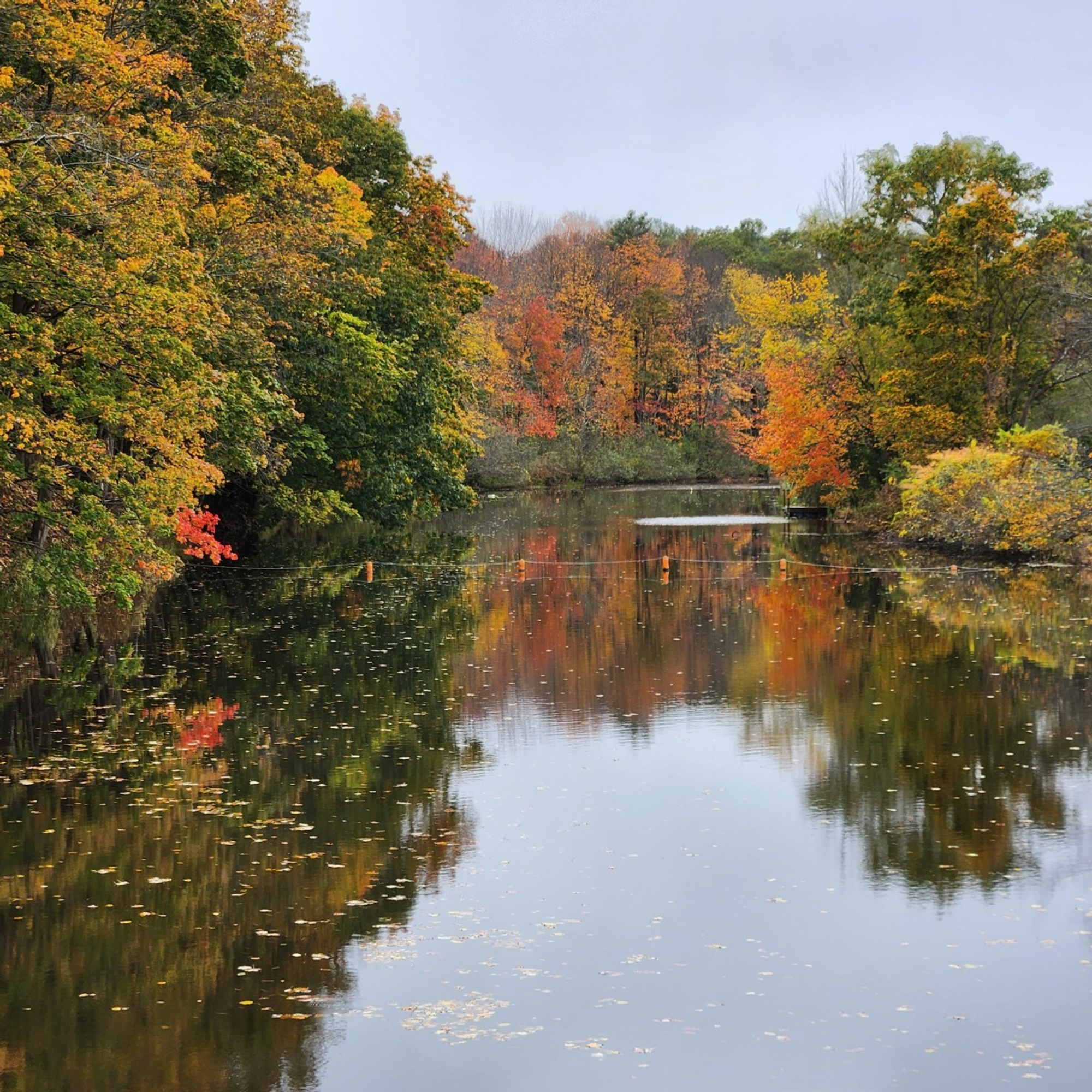
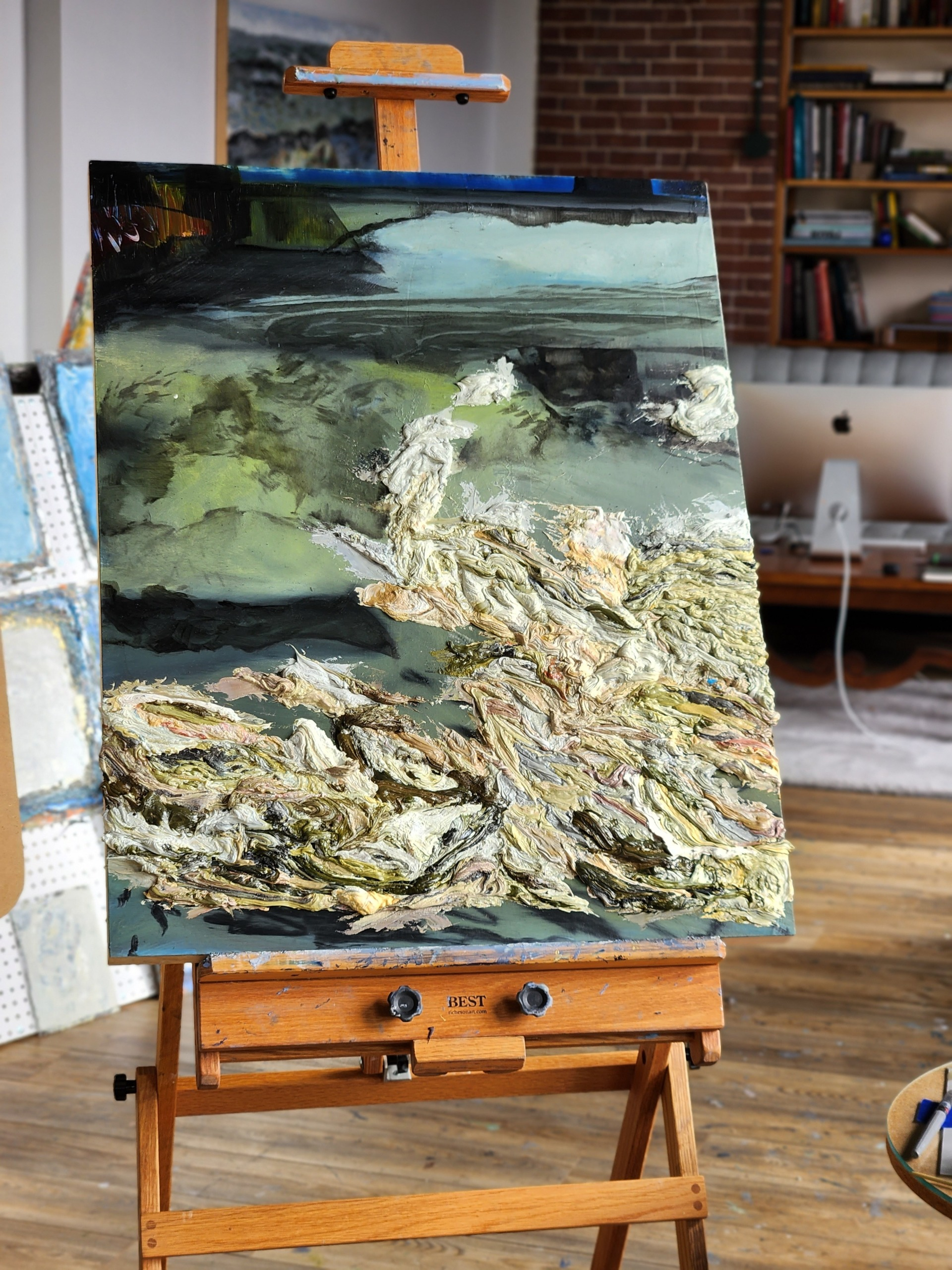
Fall has truly arrived now. This is my favorite season to be in the studio, painting. From here on, progress came in quieter ways. Less invention, more calibration. The big decisions were made, and the rest was the slow work of making the whole thing believable.
October 22, 2023
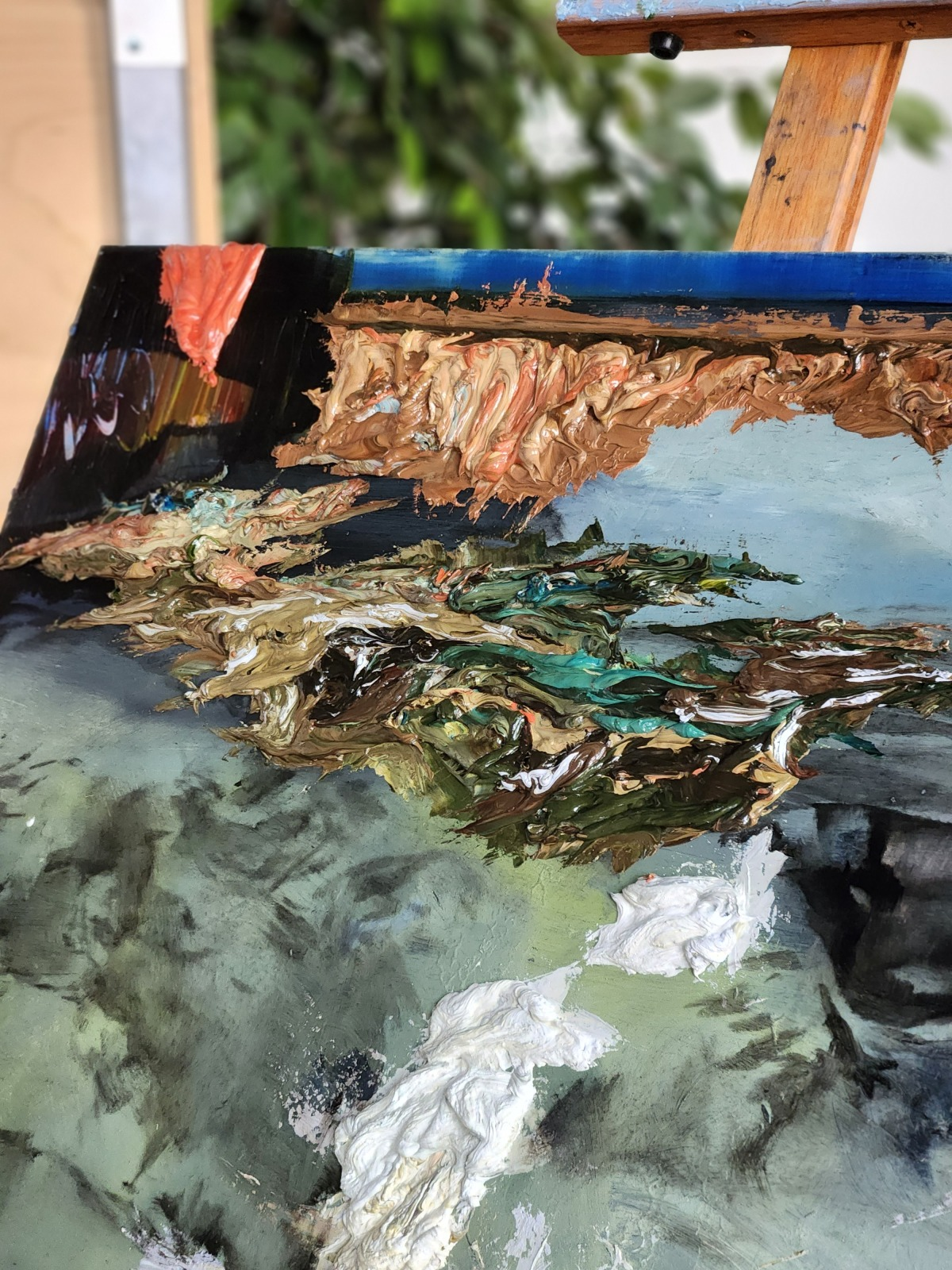
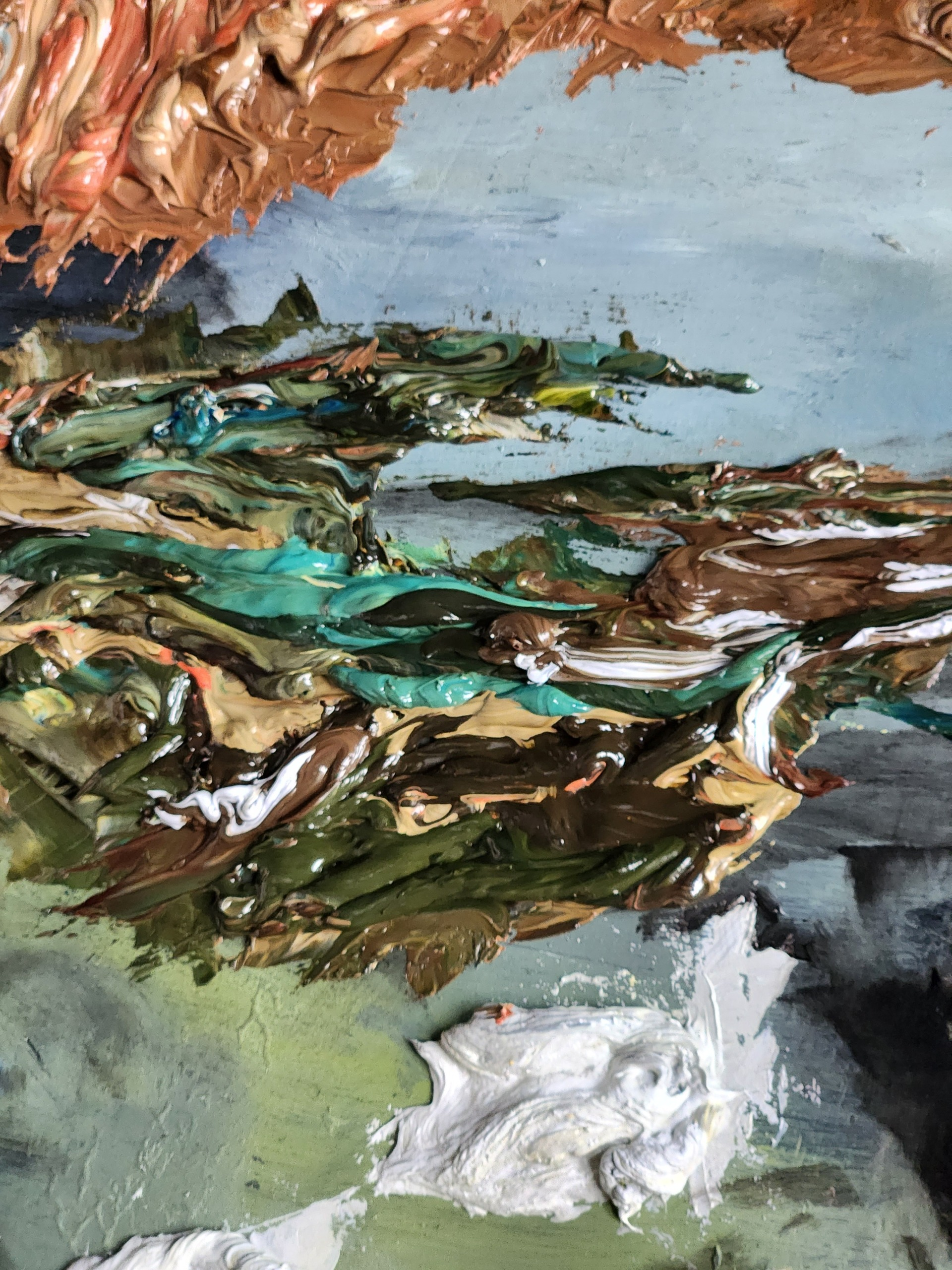
I'm searching for the most captivating in-between colors at the waterfall's crest. This will create a striking contrast when I eventually paint the foamy whites.
November 5, 2023
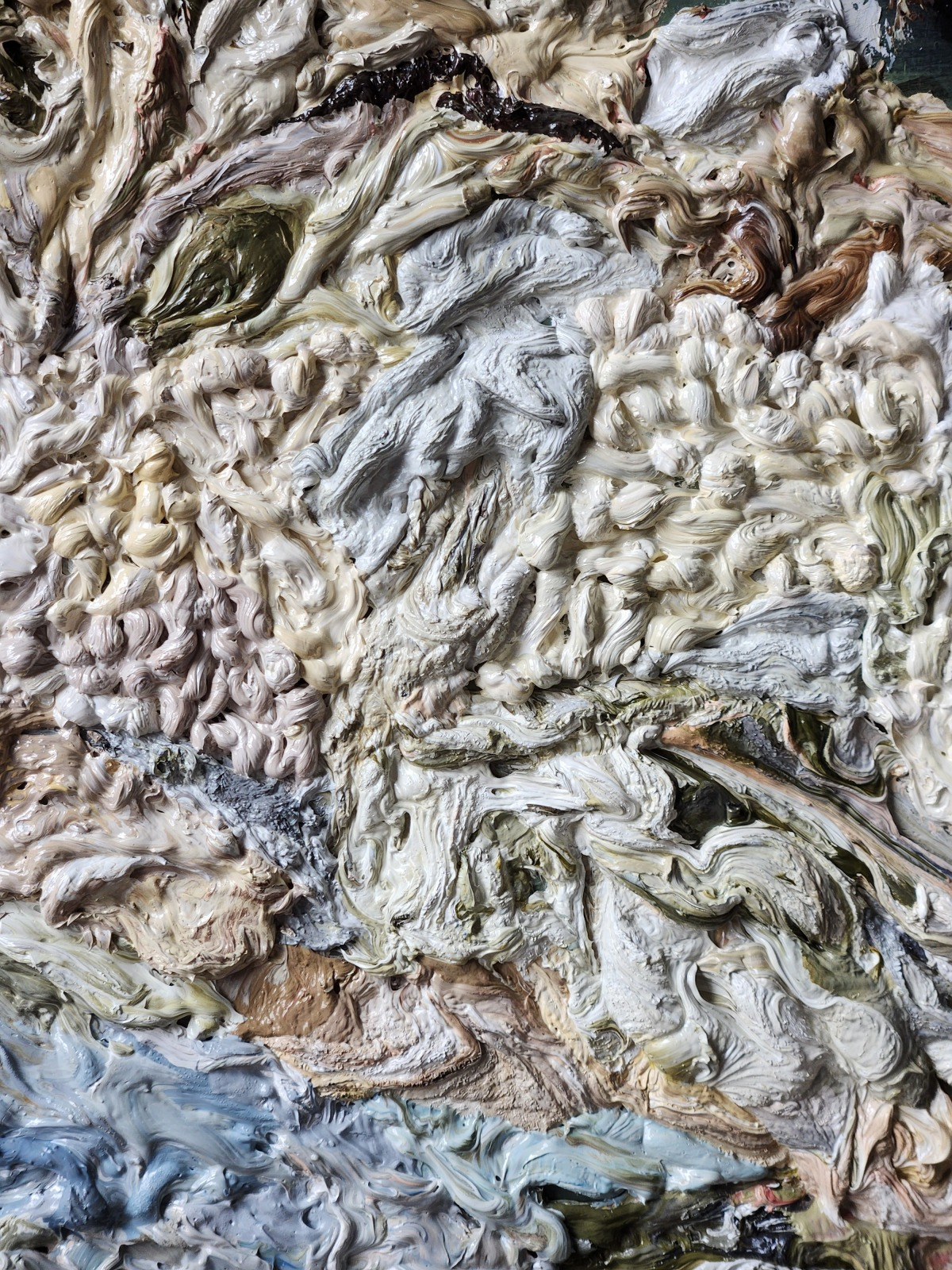
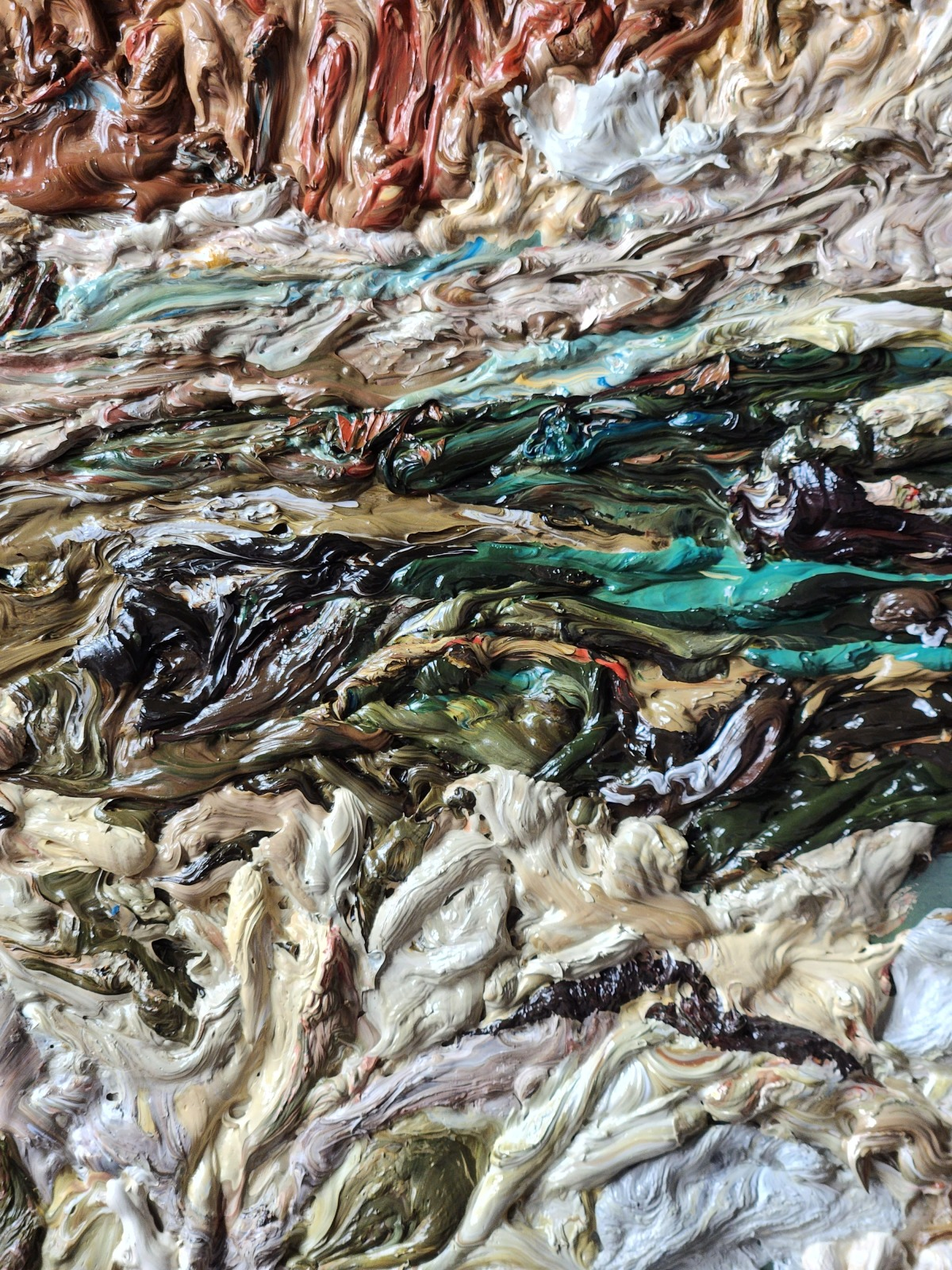
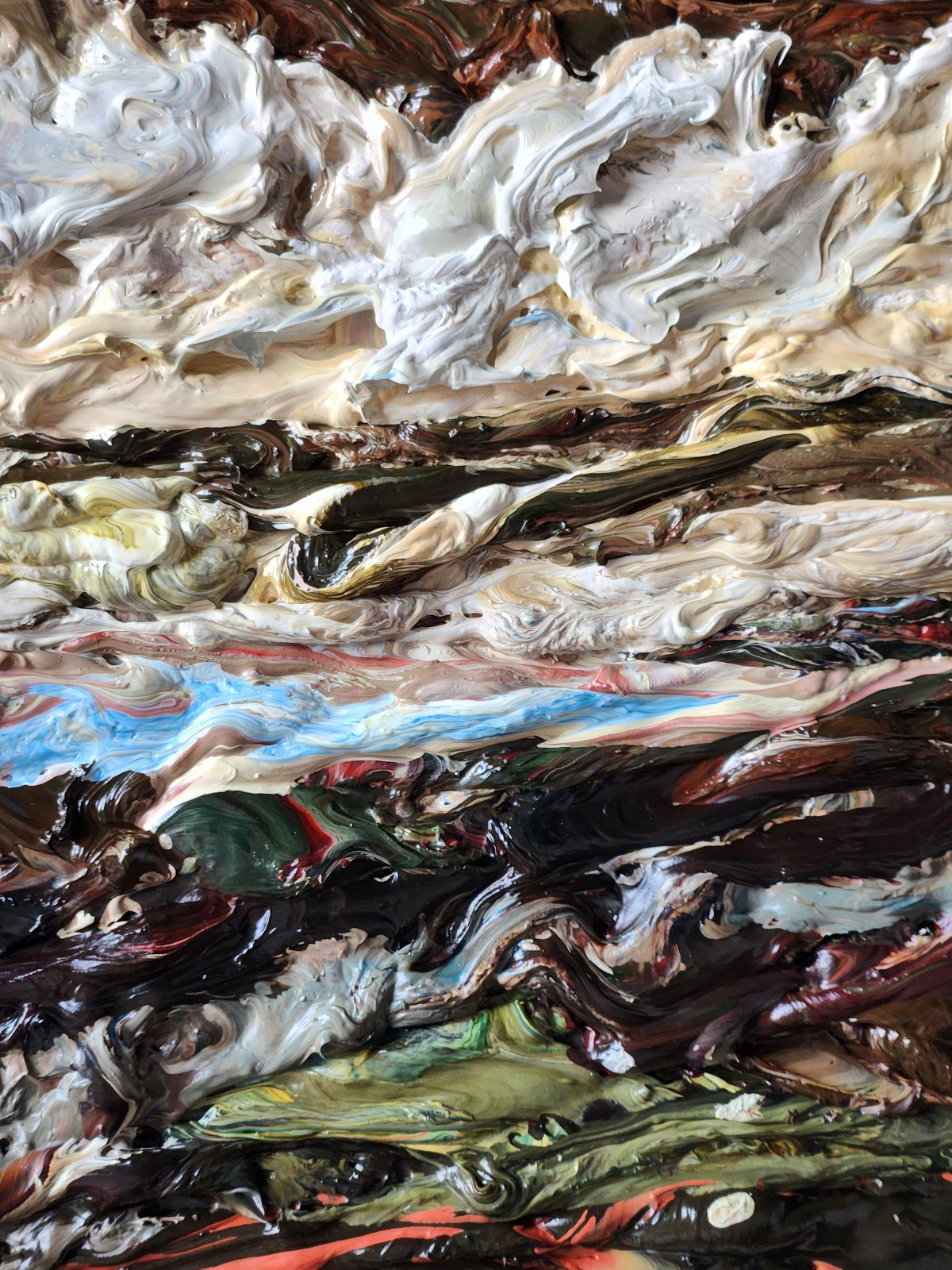
As I build up the forms, I've been deliberately adding more and more detail. The result is striking when viewed up close.
November 11, 2023
Nearing completion, just need a few more tweaks. The last stretch of a painting is never heroic. It is obsessive. I kept returning to the same passages, adjusting edges, value shifts, and the foam’s brightness until the chaos felt organized and the calm felt earned.
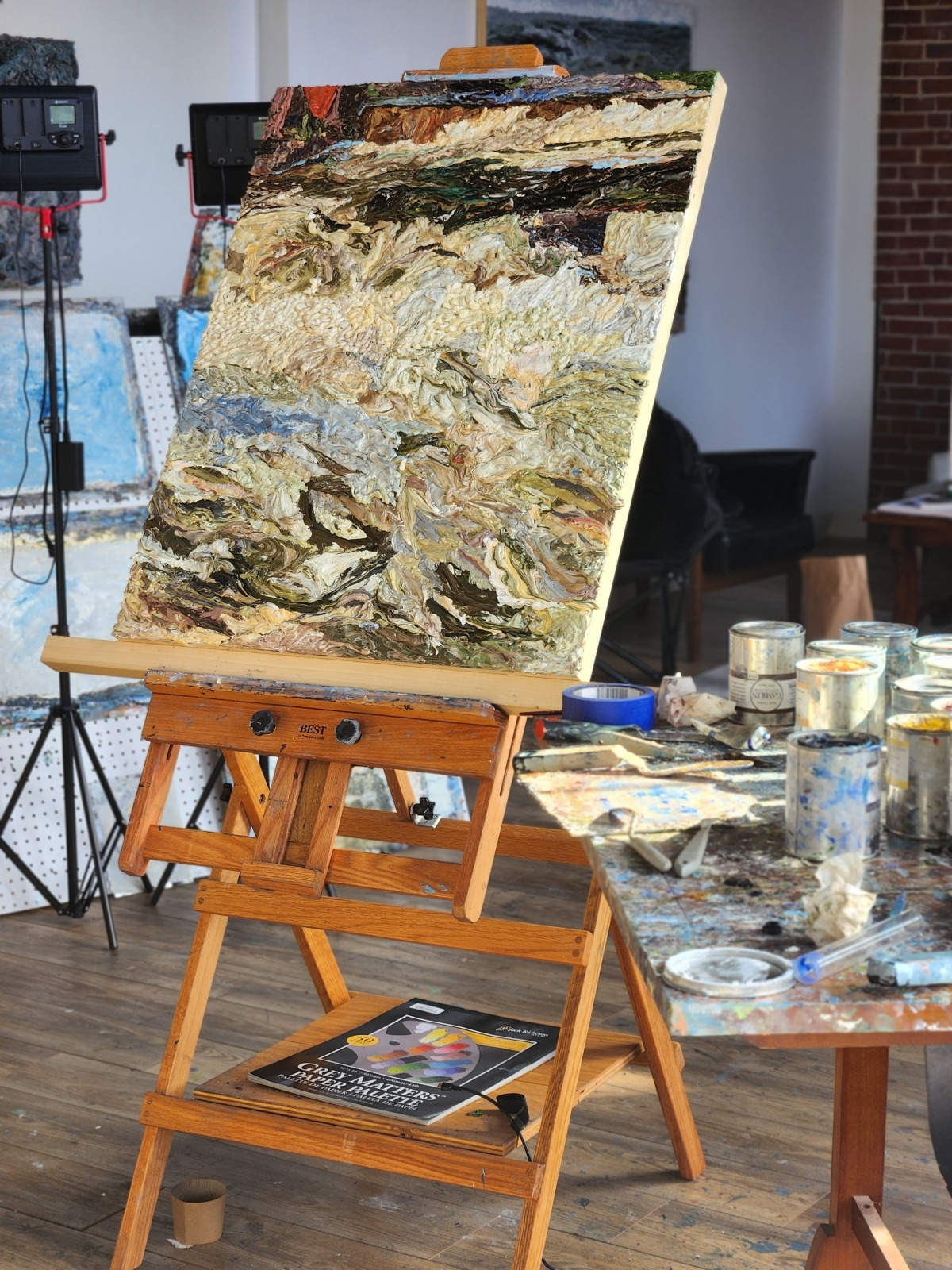
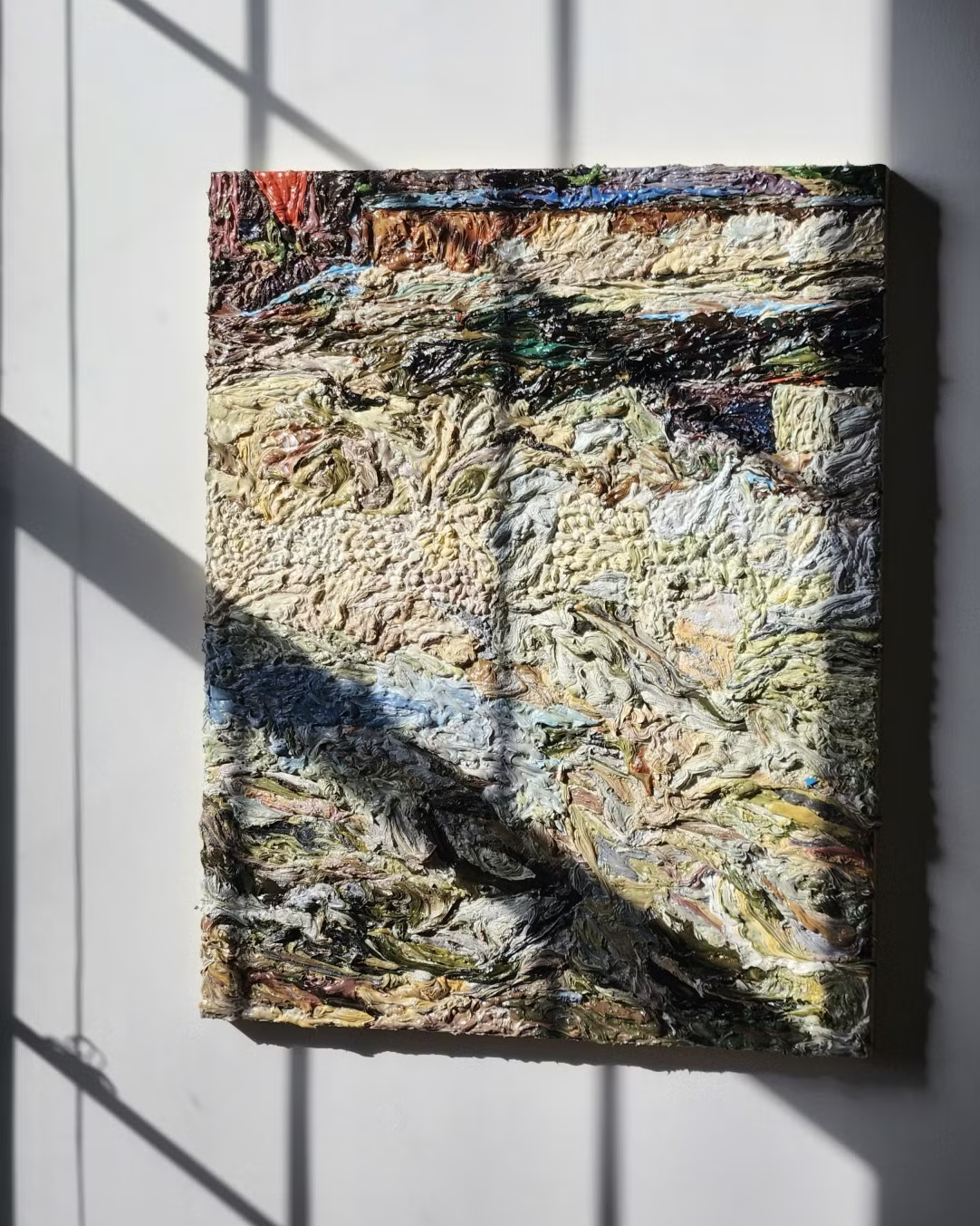
FINISHED
Done didn’t feel like a victory lap.
It felt like the painting finally held its own weight. After months of studies and revisions, the chaos stopped reading as chaos and started reading as intention.
From the beginning, I was chasing one experience: the roar of the Saco River trapped between the mills, loud enough to erase thought, mesmerizing enough to make time disappear. The hard part was keeping that intensity while building clarity—so the surface could be overwhelming up close, but coherent from across the room.
When it finally clicked, I could stand there and feel the river again. Not as a scene, but as pressure, rhythm, and release. That was the finish line.